

Discover expert-approved parenting tips and early childhood education resources to support your child’s growth, learning, and emotional development in 2025. Perfect guide for new parents and educators.
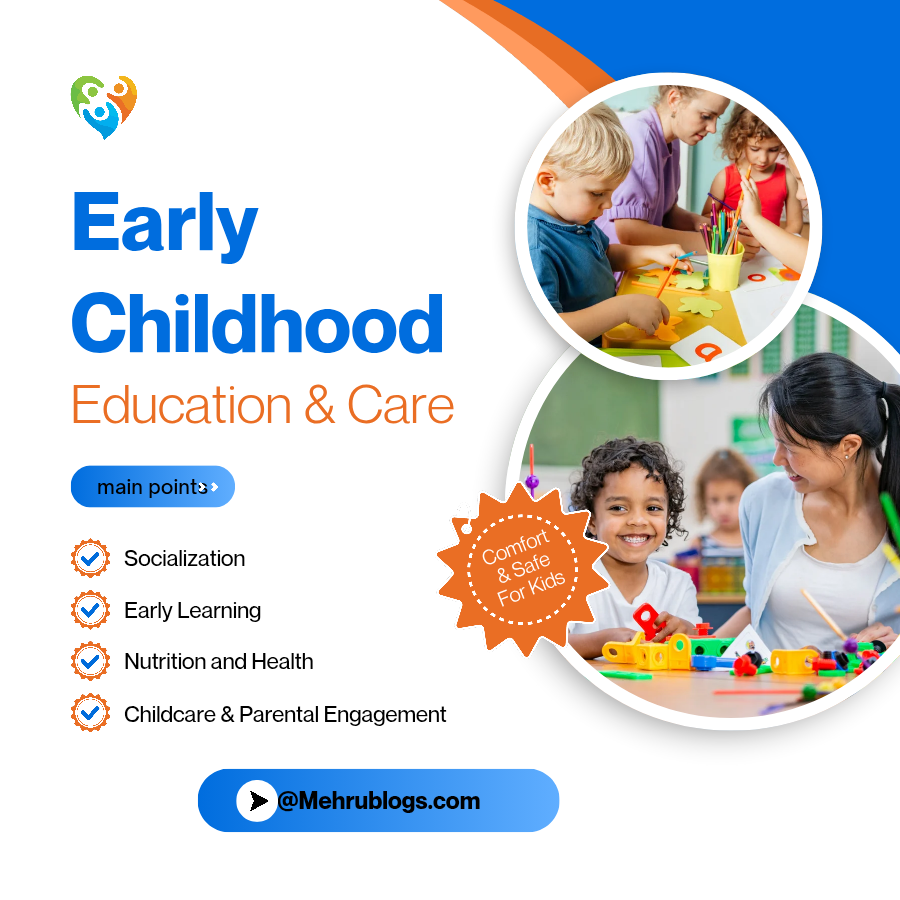
Parenting Guide
Parenting is one of the most rewarding yet challenging roles in life. In 2025, parents are not only expected to provide love and care, but also ensure their child is prepared for a fast-paced, tech-driven world. Early childhood education plays a vital role in shaping the emotional, cognitive, and social development of children during their formative years.
This guide offers a comprehensive look at parenting strategies, educational tools, and expert-backed resources that support both parents and young learners in today’s dynamic environment.
—
📌 Why Early Childhood Education Matters
The early years (0–6 years) are crucial for brain development. According to research, 90% of a child’s brain develops by age 5. These early experiences directly impact their future learning, behavior, and overall well-being.
Key benefits of early childhood education:
Builds foundational literacy and numeracy
Develops emotional and social skills
Enhances language and communication
Promotes curiosity and creativity
Encourages independence and routine
—
👨👩👧 Effective Parenting Strategies in 2025
Here are modern, research-based parenting approaches that help in nurturing well-rounded kids:
1. Responsive Parenting
Being emotionally available and attentive to your child’s needs helps in building secure attachment and trust.
2. Positive Discipline
Focus on teaching and guiding rather than punishing. Use time-ins, natural consequences, and encouragement.
3. Screen Time Management
Set boundaries for digital usage. Encourage quality content and balance screen time with physical and outdoor activities.
4. Reading and Storytelling
Daily reading sessions not only improve language skills but also strengthen the parent-child bond.
5. Routine and Structure
Children thrive on predictability. Regular meal, sleep, and play times create emotional security and discipline.
—
🎓 Top Early Childhood Education Resources (Free & Paid)
Here are the most trusted tools and platforms parents and educators can use in 2025:
✅ 1. Khan Academy Kids (Free)
An engaging app that offers educational videos, games, and activities tailored to preschoolers.
✅ 2. ABCmouse (Paid)
A full learning program for ages 2–8, covering math, reading, science, and art with interactive content.
✅ 3. Sesame Street Learning Hub (Free)
Trusted by generations, this platform offers playful learning with characters like Elmo and Big Bird.
✅ 4. Montessorium (Paid)
Montessori-based digital learning tools focusing on practical life, math, language, and sensorial development.
✅ 5. Pinterest & Instagram (Parenting Creators)
Many early childhood educators and parenting coaches share printable resources, sensory play ideas, and routines.—
🧠 Understanding Your Child’s Development Milestones
Being aware of developmental benchmarks can help parents identify if their child needs additional support.
Age Milestones
1–2 Years Walks, uses simple words, explores through touch
2–3 Years Forms short sentences, imaginative play, follows simple instructions
3–4 Years Starts recognizing letters, social interaction improves
4–5 Years Asks “why” questions, improved memory, fine motor skills
5–6 Years Reads simple books, understands rules, increased focus
> Tip: Always remember, children develop at their own pace. Avoid comparison.
—
🧩 Learning Through Play: Why It’s Crucial
In 2025, educational experts agree that play-based learning is the most effective method for young children. Here’s why:
Encourages exploration and imagination
Builds cognitive and motor skills
Teaches cooperation and empathy
Reduces stress and promotes happiness
Ideas for home play-based learning:
Sensory bins
Role play (doctor, shopkeeper)
Building blocks
Music and movement games
Art and craft stations
—
🌍 Cultural and Language Inclusivity
Expose your child to multiple cultures and languages early. It boosts empathy, communication, and brain flexibility.
Tools:
Dual-language books
Multilingual cartoons
Songs and rhymes in various languages
—
💡 Tips for Working Parents
Balancing work and parenting is tough, but not impossible. Here are quick suggestions:
Set up a kid-friendly learning corner at home
Use educational screen time wisely
Prioritize quality time, even if it’s short
Use weekly planners and shared calendars
Involve kids in simple tasks to build confidence
—
🔚 Conclusion
Parenting in the modern world demands more intentionality and resourcefulness. With the right mix of love, learning tools, and patience, you can raise confident, curious, and kind young learners. Use the above parenting tips and early childhood education resources to give your child the strongest possible foundation in life.


