
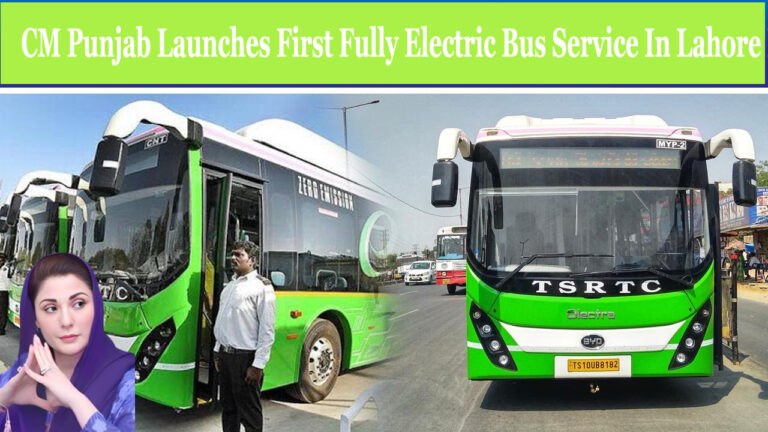

Punjab to Launch 100 Eco-Friendly Electric Buses from China in Underserved District
Discover how Punjab’s 100 electric buses from China, announced by CM Maryam Nawaz, bring affordable Rs. 20 fares, AC, Wi-Fi, and disabled-friendly features to districts like Mianwali and Okara. Explore this eco-friendly public transport revolution in Pakistan with detailed bus specifications and updates from multiple news sources.
Introduction
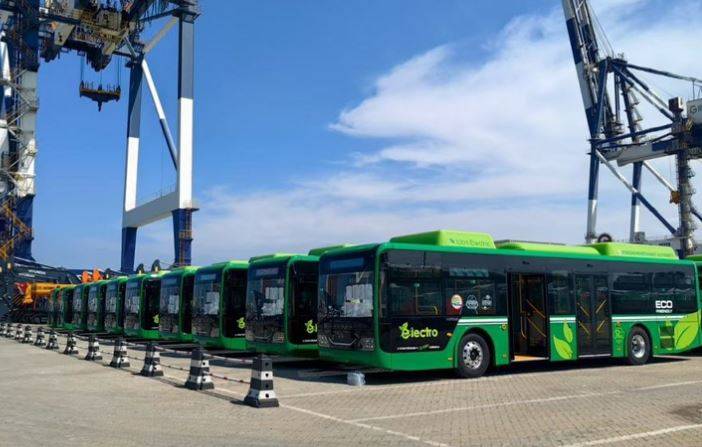
Punjab Chief Minister Maryam Nawaz Sharif has unveiled a groundbreaking initiative to modernize public transportation with the arrival of 100 electric buses from Yantai Port, China. These eco-friendly buses, set to transform underserved districts like Mianwali, Okara, and Dera Ghazi Khan, will offer affordable Rs. 20 fares, air-conditioning, Wi-Fi, and disabled-friendly features. Departing tonight and expected to arrive before Pakistan’s Independence Day on August 14, this project marks a significant step toward sustainable and inclusive mobility in Punjab.[1][2][3][4][5][6]
This move aligns with global trends in green transportation, addressing the urgent need for cleaner, more accessible public transport in Pakistan’s rural and semi-urban areas. By prioritizing affordability and sustainability, Punjab is setting a model for other provinces to follow, as confirmed by reports from Business Recorder and ProPakistani.[2][4]
Why Electric Buses Matter for Punjab
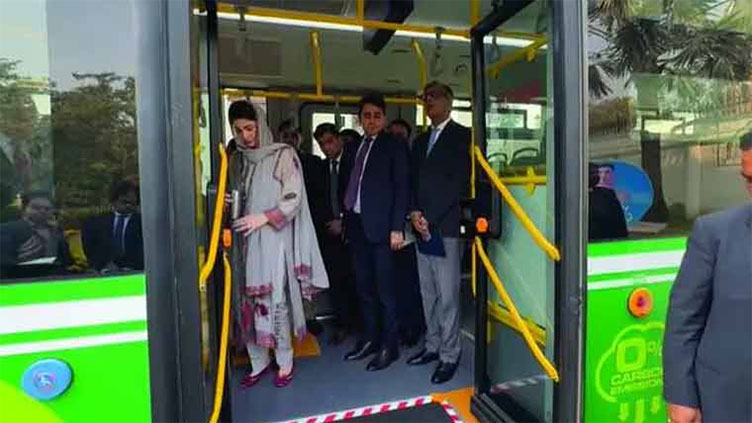
The introduction of electric buses is a game-changer for Punjab’s public transport system. Here’s why:
- Environmental Impact: Electric buses produce zero tailpipe emissions, reducing air pollution in densely populated districts.
- Cost-Effective Travel: With fares fixed at Rs. 20, these buses make commuting affordable for low-income communities.
- First-Time Access: Districts like Nankana Sahib and Pakpattan will experience formal public transport for the first time, boosting connectivity.[7]
- Technological Advancement: Features like automated ticketing and Wi-Fi enhance user experience, aligning with smart city goals.
This initiative is part of a larger plan to deploy 1,100 electric buses across Punjab, with the first 240 expected by August 22.[8][9] Additional reports from sources like The Daily CPEC and PakWheels highlight the government’s commitment to installing up to 2,000 charging stations to support the fleet.[10][11][12]
Key Districts Benefiting from the Electric Bus Service
The electric buses will serve districts previously underserved by public transport, including:
- Mianwali: A rural hub gaining access to modern transport.
- Okara: Enhancing connectivity for agricultural communities.
- Nankana Sahib: Improving access for pilgrims and residents.
- Vehari, Pakpattan, Dera Ghazi Khan, Muzaffargarh: Bridging gaps in southern Punjab’s transport network.[13][14][15]
This targeted approach ensures equitable access to transportation, fostering economic growth and social inclusion in these regions, as emphasized in updates from ProPakistani and Business Recorder.[14][2]
Detailed Specifications of Punjab’s Electric Buses
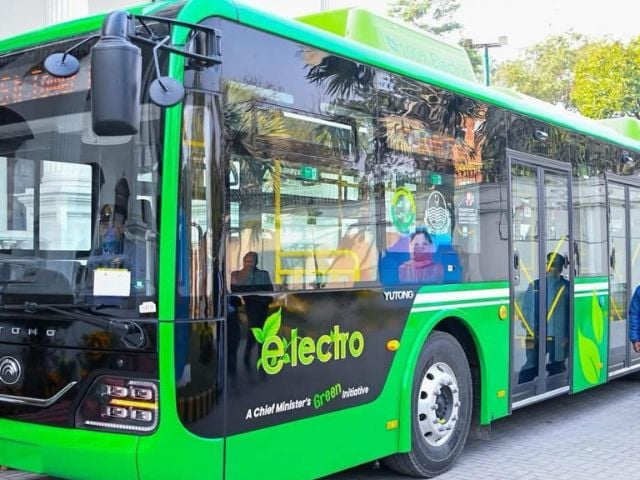
Manufactured by Yutong Bus & Coach, a leading Chinese brand with a strong presence in Pakistan since 2008, these buses are based on models like the Yutong E12PRO, which have been successfully deployed in earlier phases of Punjab’s eco-friendly transport initiatives.[16][17] Key specifications include:
- Dimensions: Length: 12 meters; Width: 2.55 meters; Height: 3.29 meters.
- Passenger Capacity: Up to 100 passengers, with 42 seats.
- Battery and Power: 422 kWh battery capacity for efficient, long-range operation.
- Suspension: Air suspension for a smooth ride.
- Safety Standards: Compliant with Yutong’s YESS (Yutong Electric Safety Standard) for battery and overall vehicle safety.
- Accessibility: Fully low-floor design with wheelchair ramps and dedicated spaces, ensuring easy boarding for people with disabilities.[17]
These specs align with Punjab’s broader rollout, where similar Yutong buses have been introduced in Lahore, reducing emissions and enhancing urban mobility.[18][19]
Features of Punjab’s Electric Buses
Designed for comfort, accessibility, and sustainability, these buses from China boast:
- Eco-Friendly Technology: Fully electric, reducing carbon footprints and fuel costs with zero emissions.
- Air-Conditioning and Wi-Fi: Ensuring a comfortable, connected journey.
- Automated Ticketing: Streamlined fare collection for efficiency, including intelligent coin machines.
- Disabled-Friendly Design: Ramps, reserved spaces, and wheelchair-user backrests for accessibility.
- Additional Amenities: Onboard CCTV for safety, integrated seats for optimized space, and smart Internet of Vehicles (IoV) options.
- Low-Cost Fares: Rs. 20 per ride, making travel affordable for all.[20][21][22][23][24]
Chief Minister Maryam Nawaz highlighted the buses as a “wonderful, comfortable” solution, ending decades of transport neglect in these districts.[25][2]
Punjab’s Commitment to Green Mobility
This project is a cornerstone of Punjab’s push for sustainable development. By integrating electric buses, the province is reducing its reliance on fossil fuels, aligning with Pakistan’s climate goals and global sustainability standards. The collaboration with China, facilitated through frameworks like the China-Pakistan Economic Corridor (CPEC), underscores the strategic partnership driving this initiative.[26][27]
Social media posts, including visuals from Yantai Port, have amplified public excitement, with citizens praising the government’s focus on green transport.[28][2] The buses are expected to lower commuting costs and improve air quality, addressing both economic and environmental challenges, as noted in reports from Electrive and IEEE Xplore.[29][27]
Insights from Other News Sources
Multiple reputable sources have covered this development, providing consistent details and additional context:
- Business Recorder: Confirms the shipment’s departure and emphasizes the buses’ role in providing safe, affordable travel in deprived districts.[2][3]
- ProPakistani: Highlights the addition of seven districts and modern features like Wi-Fi and automated systems.[4][14]
- The Daily CPEC and Islamabad Scene: Detail Yutong’s involvement and specs from prior deliveries, linking to the current fleet.[30][16]
- Express Tribune and Dawn: Report on earlier launches and expansions, showing the project’s progression since early 2025.[31][32]
These sources underscore the initiative’s reliability and broad support.
How This Impacts Residents and the Environment
For residents in underserved districts, these buses mean:
- Improved Access: Easier commutes to schools, workplaces, and markets.
- Safety and Comfort: Modern amenities ensure secure and pleasant travel.
- Economic Benefits: Affordable transport boosts local commerce and job access.
Environmentally, the shift to electric buses reduces greenhouse gas emissions, supporting Pakistan’s efforts to combat urban pollution. Experts estimate that large-scale adoption of electric vehicles could cut fuel import costs significantly, benefiting the national economy.[27][33]
Challenges and Future Prospects
While the initiative is promising, challenges like charging infrastructure and maintenance must be addressed. The Punjab government is reportedly planning charging stations and training programs to ensure smooth operations.[12][34] Future expansions could see more districts and cities adopting electric buses, potentially transforming Pakistan’s public transport landscape.
Conclusion
The launch of 100 electric buses from China is a landmark achievement for Punjab, bringing affordable, eco-friendly, and accessible transport to underserved districts. With advanced features, detailed specifications from Yutong, and confirmation from various news outlets, this initiative under CM Maryam Nawaz’s leadership sets a precedent for green mobility in Pakistan. As the buses arrive, they promise to enhance connectivity, reduce emissions, and improve lives across Punjab.
For more insights on Pakistan’s green transport revolution, stay updated on electric vehicle projects and China-Pakistan collaboration.
Contact us on:
www.mehrublogs.com
mehrublogs@gmail.com
https://www.facebook.com/MehruBlogs/
https://www.instagram.com/Mehrublogs.com_/
https://www.pinterest.com/mehrublogs/


