
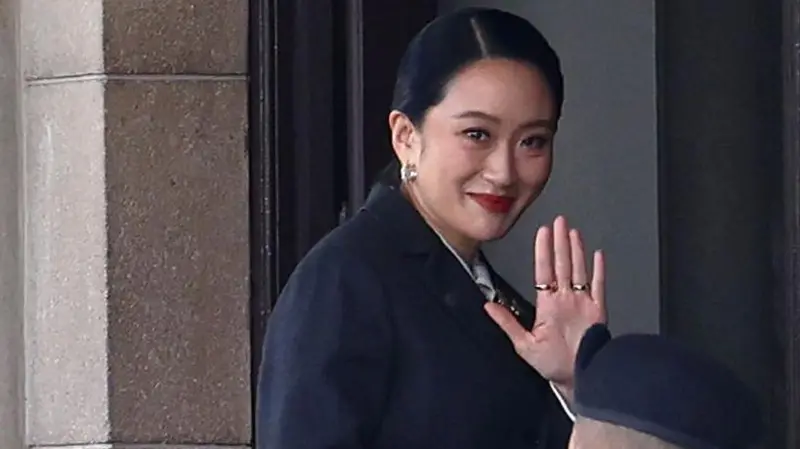

On August 30, 2025, Thailand’s Constitutional Court delivered a landmark ruling, dismissing Prime Minister Paetongtarn Shinawatra from her position over a leaked phone call that violated ethical standards expected of the office. At 38, Paetongtarn was Thailand’s youngest prime minister and the second woman to hold the post. Her removal marks the fifth time in less than two decades that a Thai prime minister has been ousted by the court, highlighting the country’s turbulent political landscape.
The decision not only dissolves her cabinet but also casts a shadow over the influential Shinawatra family’s grip on Thai politics. This article explores the details of the leaked call, the court’s verdict, the Shinawatra dynasty’s history, and the broader implications for Thailand’s democracy and regional relations.
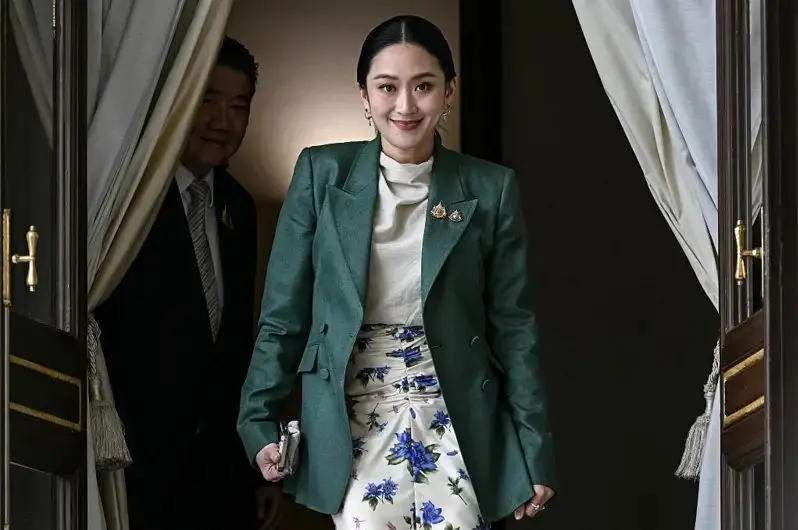
The Leaked Call: Criticism of the Military and a Message to Cambodia?
The controversy centers on a phone conversation between Paetongtarn Shinawatra and Cambodia’s former leader Hun Sen in June 2025, leaked shortly after. The call occurred amid escalating tensions between Thailand and Cambodia, culminating in border clashes that claimed several lives just weeks later. In the conversation, Paetongtarn addressed Hun Sen as “uncle,” a term of endearment that critics viewed as overly deferential to a foreign leader during a sensitive period.
More damningly, she criticized Thailand’s military, particularly a high-ranking general, dismissing their influence and assuring Hun Sen that she would handle their “needs.” Paetongtarn reportedly downplayed the military’s role, stating that the generals held little sway in her decisions. This was seen as undermining Thailand’s armed forces, which have historically played a pivotal role in the nation’s politics, often through coups.
Opponents argued that her remarks constituted a breach of ethical standards, portraying her as prioritizing personal or foreign relations over national security. The call’s timing, just before Paetongtarn’s predecessor was disqualified, added fuel to the fire, suggesting it might have been a strategic message to Hun Sen amid border disputes. Dozens of Thai parliamentarians petitioned the Constitutional Court, claiming her actions violated the constitution’s requirement for prime ministers to uphold high moral standards.
The Court’s Verdict: Ethical Breach and Immediate Consequences
The Constitutional Court ruled that Paetongtarn’s conversation amounted to an ethical violation, labeling it as “disrespectful” to the military and potentially compromising national interests. The judges emphasized that her use of “uncle” for Hun Sen and her dismissive tone toward the military crossed the line, eroding public trust in her leadership. As a result, Paetongtarn was immediately removed from office, her cabinet dissolved, and the deputy prime minister appointed as interim leader until a new election.
Paetongtarn responded by accepting the verdict but expressed disappointment, stating, “I have always acted in Thailand’s best interests.” Her ousting echoes previous court interventions in Thai politics, often seen as tools to curb populist leaders. Critics argue the judiciary, influenced by conservative and military elements, uses such rulings to maintain the status quo, while supporters view it as upholding constitutional integrity.
The Shinawatra Family: A Dynasty of Power and Controversy
Paetongtarn’s dismissal is a significant setback for the Shinawatra family, which has dominated Thai politics for decades. Known for their business acumen and populist policies, the Shinawatras have produced three prime ministers, each facing ouster amid political turmoil.
- Thaksin Shinawatra: Paetongtarn’s father, a billionaire telecom magnate, became Thailand’s prime minister in 2001, winning support from rural voters and the business community. He was the first to complete a full term but was overthrown in a 2006 military coup. Accused of corruption, Thaksin fled into self-exile in 2008 but remains a shadowy force in Thai politics.
- Yingluck Shinawatra: Paetongtarn’s aunt and Thaksin’s sister served as prime minister from 2011 to 2014. She too was removed by the Constitutional Court for allegedly violating rules on cabinet appointments, paving the way for another military coup.
- Paetongtarn Shinawatra: Nicknamed “Ung Ing,” Paetongtarn entered politics in 2021, joining the Pheu Thai Party. At 37, she became prime minister last year after her predecessor, Srettha Thavisin, was disqualified. Educated in elite Thai schools and the UK (University of Surrey), she managed family businesses like the renowned Dusit Thani Hotel before rising rapidly in politics.
The family’s relationship with the Thai military has been fraught with ups and downs. While they’ve allied with the army at times, coups have repeatedly targeted Shinawatra-linked governments. Paetongtarn’s leaked call criticizing the military may have been the tipping point, exacerbating tensions in a country where the armed forces hold significant sway.
Thailand-Cambodia Tensions: Border Clashes and Regional Implications
The leaked call’s backdrop was rising friction between Thailand and Cambodia, fueled by historical border disputes around the Preah Vihear temple. In July 2025, clashes in the disputed area led to casualties on both sides, with airstrikes and ground incursions reported. Paetongtarn’s conversation with Hun Sen, a long-time Cambodian strongman, was interpreted by critics as a signal of weakness or favoritism toward Cambodia during a crisis.
For Thailand, the ousting raises questions about foreign policy stability. The interim government may adopt a harder stance toward Cambodia to appease the military and nationalists. Regionally, this incident highlights Southeast Asia’s fragile alliances, with ASEAN nations watching closely. For Pakistan, which maintains diplomatic ties with both countries, the event underscores the perils of leaked communications in volatile geopolitics, echoing similar scandals in South Asia.
Broader Political Turmoil in Thailand
Thailand’s politics have been marked by instability, with 20 prime ministers in the last two decades, many removed via courts or coups. The Constitutional Court has ousted five in this period, often targeting populist figures like the Shinawatras. This pattern reflects deep divisions between urban elites/military conservatives and rural populists.
Paetongtarn’s removal could trigger protests from Pheu Thai supporters, potentially leading to unrest. Economically, Thailand—reliant on tourism and exports—faces uncertainty, as political volatility deters investors. The Shinawatra family’s resilience suggests they may regroup, but this blow could weaken their influence.

Parallels for Pakistan: Lessons in Political Instability
For Pakistani readers, Paetongtarn’s story resonates with familiar themes of family dynasties, judicial interventions, and military influence. Like the Bhuttos or Sharifs, the Shinawatras represent a political lineage facing repeated ousters. Pakistan’s history of coups and disqualifications mirrors Thailand’s, highlighting the challenges of democratic consolidation in nations with strong military establishments.
In 2025, as Pakistan navigates its own political transitions, the Thai case serves as a cautionary tale: leaked communications can topple leaders, and balancing military relations is crucial. It also emphasizes ethical leadership in an era of digital surveillance.
What Lies Ahead for Thailand?
With Paetongtarn out, the interim deputy prime minister will steer the ship until parliament elects a new leader. Pheu Thai, still the largest party, may nominate another candidate, but the court’s ruling could embolden opposition forces. Long-term, Thailand needs reforms to reduce judicial and military overreach, fostering true democracy.
Paetongtarn, young and resilient, may return to politics, drawing on her family’s legacy. Her brief tenure, marked by efforts to boost tourism and economy, leaves a mixed legacy amid controversy.
Final Thoughts
Paetongtarn Shinawatra’s ousting over a leaked call is a stark reminder of how personal words can unravel political careers. It exposes the fragility of power in Thailand, where ethics, military influence, and foreign relations intersect. As the Shinawatra family faces another setback, the incident prompts reflection on leadership integrity worldwide. For Pakistanis, it’s a mirror to our own political dramas, urging caution in an interconnected age.
What do you think about this political upheaval? Share your views in the comments below! For more insights on global politics and current events.
This article is brought to you by Mehru Blogs. For more Visit www.mehrublogs.com.
Contact us at mehrublogs@gmail.com.
Follow us on social media: Facebook | Instagram.
Paetongtarn Shinawatra, Thailand PM ousted, leaked phone call, Shinawatra family, Thailand Cambodia tensions, military criticism, Constitutional Court decision
Paetongtarn Shinawatra, Thailand PM ousted, leaked phone call, Shinawatra family, Thailand Cambodia tensions, military criticism, Constitutional Court decision


