

Budgeting 101: Manage Your Finances Like a Pro | Mehrublogs
Managing your finances effectively is one of the most empowering skills you can develop. Whether you’re saving for a dream vacation, paying off debt, or planning for retirement, a solid budget is the foundation of financial success. In this comprehensive guide, Budgeting 101: Manage Your Finances Like a Pro | Mehrublogs, we’ll walk you through everything you need to know about budgeting, from the basics to advanced strategies. By the end, you’ll have the tools and confidence to take control of your money like a pro. Let’s dive in!
Why Budgeting Matters
Budgeting is more than just tracking your income and expenses—it’s about creating a roadmap for your financial future. Without a budget, it’s easy to overspend, miss savings goals, or fall into debt. A well-structured budget helps you:
- Gain Control: Understand where your money goes each month.
- Reduce Stress: Eliminate the anxiety of living paycheck to paycheck.
- Achieve Goals: Save for big purchases, investments, or emergencies.
- Build Wealth: Make smarter financial decisions to grow your net worth.
At Mehrublogs, we believe that budgeting is the cornerstone of financial freedom. Whether you’re a beginner or looking to refine your skills, this guide will provide actionable steps to manage your finances effectively.
The Basics of Budgeting
What Is a Budget?
A budget is a plan that outlines how you’ll allocate your income toward expenses, savings, and investments. It’s a tool that helps you prioritize your spending and ensure you’re living within your means. Think of it as a financial GPS that guides you toward your goals.
Why You Need a Budget
Without a budget, your money can slip through your fingers. Unexpected expenses, impulse purchases, or forgotten subscriptions can derail your financial progress. A budget gives you clarity and control, helping you make informed decisions about your money.
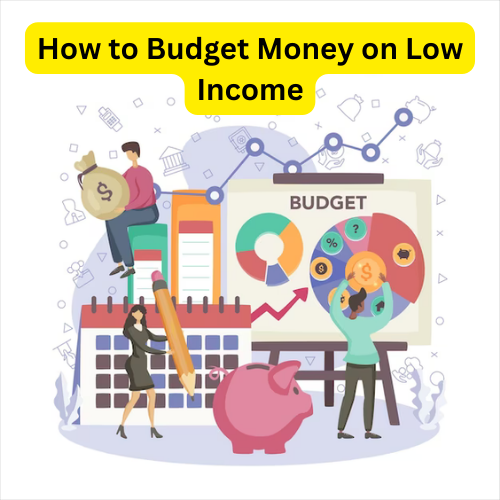
Key Benefits of Budgeting
- Clarity: See exactly where your money is going.
- Savings: Build a safety net for emergencies or future goals.
- Debt Reduction: Pay off loans and credit cards faster.
- Financial Freedom: Achieve long-term goals like homeownership or early retirement.
Step-by-Step Guide to Creating a Budget
Creating a budget doesn’t have to be complicated. Follow these steps to build a budget that works for you.
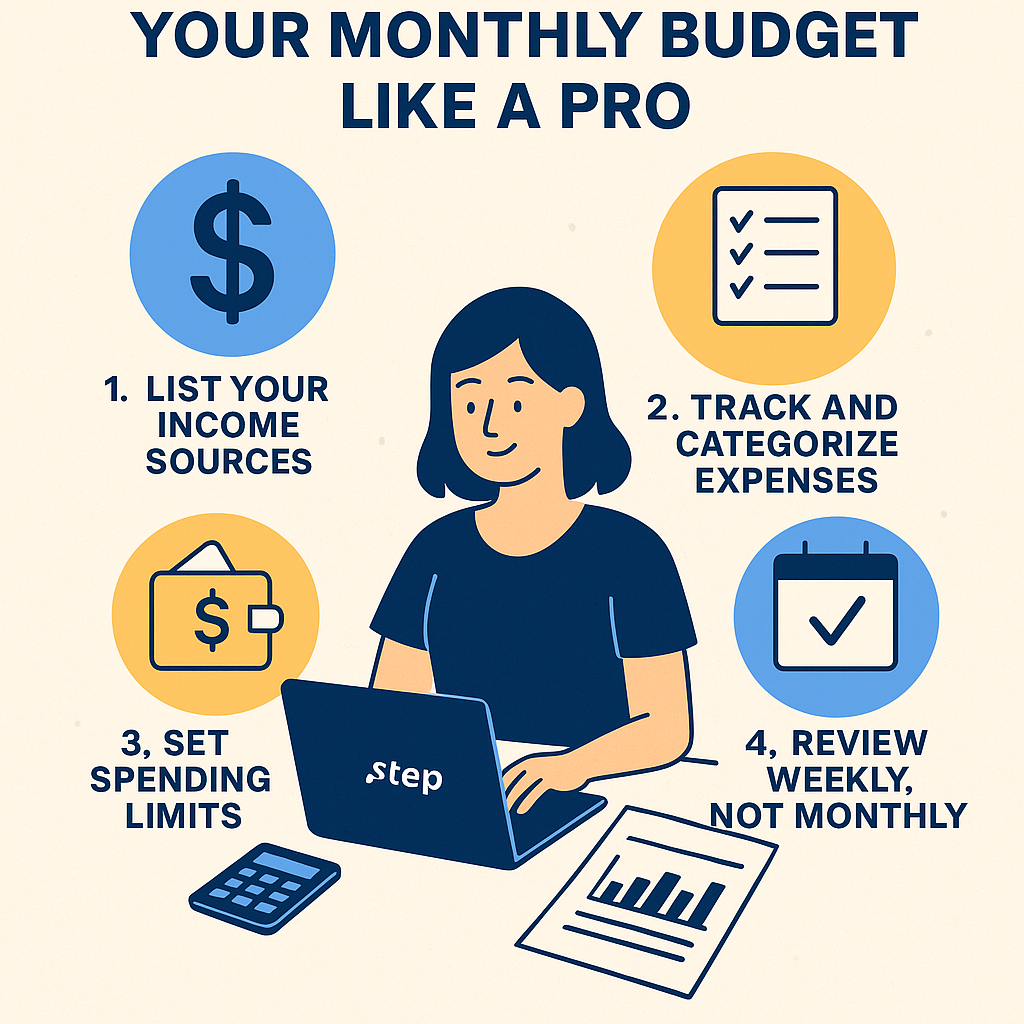
Step 1: Assess Your Income
Start by calculating your total monthly income. Include all sources, such as:
- Salary or wages (after taxes)
- Freelance or side hustle income
- Investment dividends
- Rental income
- Any other passive income streams
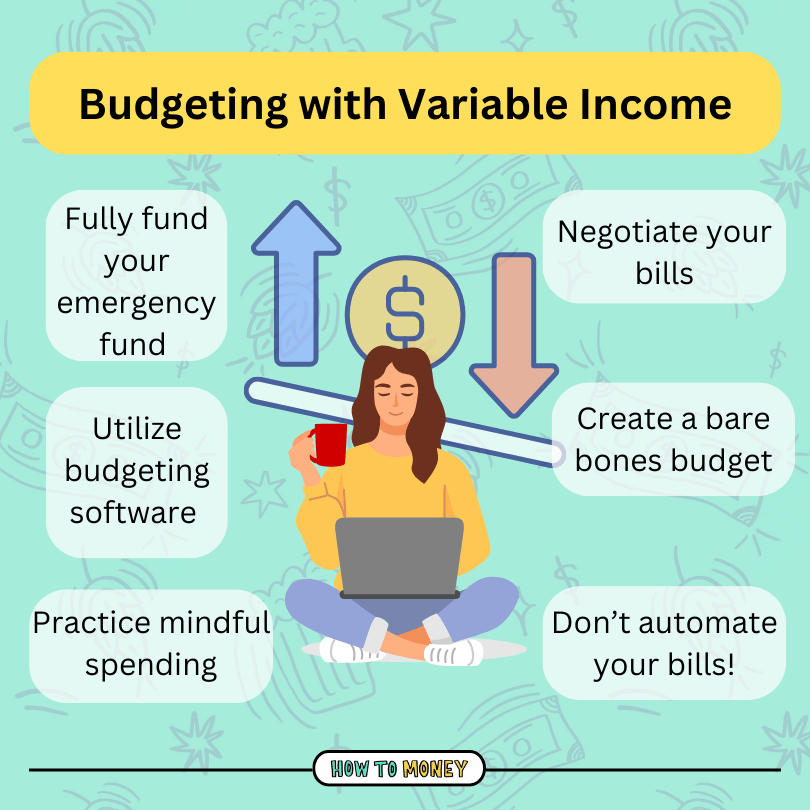
If your income varies (e.g., freelancers or gig workers), use an average based on the past six months to get a realistic figure.
Step 2: Track Your Expenses
Next, track your spending for at least one month to understand your habits. Categorize your expenses into:
- Fixed Expenses: Rent/mortgage, utilities, insurance, subscriptions.
- Variable Expenses: Groceries, dining out, entertainment, transportation.
- Irregular Expenses: Gifts, car repairs, annual memberships.
Use tools like spreadsheets, budgeting apps (e.g., YNAB, Mint), or even a notebook to record every dollar spent. This step is crucial for identifying spending leaks.
Step 3: Set Financial Goals
What do you want to achieve with your money? Your goals will shape your budget. Common financial goals include:
- Building an emergency fund (3–6 months of expenses)
- Paying off credit card debt or student loans
- Saving for a house, car, or vacation
- Investing for retirement or wealth-building
Be specific with your goals. For example, instead of “save money,” aim for “save $5,000 for a vacation in 12 months.”
Step 4: Choose a Budgeting Method
There are several budgeting methods to suit different lifestyles. Here are the most popular ones:
1. 50/30/20 Budget
This simple method divides your income into three categories:
- 50% Needs: Essential expenses like rent, utilities, and groceries.
- 30% Wants: Non-essential spending like dining out or hobbies.
- 20% Savings/Debt: Savings, investments, or debt repayment.
This method is great for beginners because it’s flexible and easy to follow.
2. Zero-Based Budget
In a zero-based budget, every dollar is assigned a purpose, so your income minus expenses equals zero. For example:
- $3,000 income
- $1,500 for rent, utilities, and groceries
- $500 for savings
- $500 for debt repayment
- $500 for entertainment and miscellaneous
This method ensures you’re intentional with every dollar.
3. Envelope System
This cash-based method involves allocating cash to different spending categories (e.g., groceries, entertainment) in physical envelopes. Once an envelope is empty, you stop spending in that category. It’s ideal for those who struggle with overspending.
4. Pay-Yourself-First Budget
Prioritize savings and investments before spending on anything else. For example, transfer 20% of your income to savings or investments as soon as you get paid, then use the rest for expenses.
Step 5: Create Your Budget
Using your chosen method, create a budget that aligns with your income, expenses, and goals. Here’s an example using the 50/30/20 rule for someone earning $4,000/month:
- Needs (50%): $2,000 (rent: $1,200, utilities: $200, groceries: $400, insurance: $200)
- Wants (30%): $1,200 (dining out: $300, entertainment: $200, hobbies: $200, miscellaneous: $500)
- Savings/Debt (20%): $800 (emergency fund: $400, debt repayment: $400)
Adjust these numbers based on your situation and priorities.
Step 6: Monitor and Adjust
A budget isn’t set in stone. Review it monthly to ensure it’s working. If you overspend in one category, cut back in another or adjust your budget for the next month. Use budgeting apps or spreadsheets to track your progress.
Tips for Budgeting Like a Pro
Now that you have a budget, let’s explore advanced strategies to optimize your finances.
1. Build an Emergency Fund
An emergency fund is a savings account for unexpected expenses like medical bills or car repairs. Aim to save 3–6 months’ worth of living expenses. Start small—$500–$1,000 is a great initial goal.
2. Automate Your Finances
Set up automatic transfers to your savings, investments, or bill payments. Automation reduces the temptation to overspend and ensures you’re consistently working toward your goals.
3. Cut Unnecessary Expenses
Review your spending for areas to cut back. Common culprits include:
- Unused subscriptions (streaming services, gym memberships)
- Frequent dining out or takeout
- Impulse purchases
Consider cheaper alternatives, like cooking at home or negotiating lower bills for services like internet or insurance.
4. Pay Off High-Interest Debt
High-interest debt, like credit card balances, can sabotage your budget. Use the debt snowball (pay off smallest debts first) or debt avalanche (pay off highest-interest debts first) method to tackle debt efficiently.
5. Plan for Irregular Expenses
Annual expenses like car insurance or holiday gifts can throw off your budget if you’re not prepared. Create a sinking fund by setting aside a small amount each month for these costs.
6. Invest for the Future
Once you’ve paid off debt and built an emergency fund, start investing. Options include:
- Retirement Accounts: 401(k), IRA, or similar plans.
- Stock Market: Index funds or ETFs for long-term growth.
- Real Estate: Rental properties or REITs for passive income.
Even small investments can grow significantly over time thanks to compound interest.
7. Use Budgeting Tools
Leverage technology to simplify budgeting. Popular tools include:
- YNAB (You Need a Budget): Great for zero-based budgeting.
- Mint: Tracks spending and categorizes expenses.
- PocketGuard: Helps you avoid overspending.
- Excel/Google Sheets: Customizable for DIY budgeters.
Common Budgeting Mistakes to Avoid
Even the best budgeters make mistakes. Here’s how to avoid common pitfalls:
1. Not Tracking Small Expenses
Small purchases like coffee or snacks add up. Track every dollar to get a clear picture of your spending.
2. Setting Unrealistic Goals
If your budget is too restrictive, you’re more likely to give up. Allow room for fun and flexibility to stay motivated.
3. Ignoring Irregular Expenses
Failing to plan for annual or unexpected costs can derail your budget. Always have a buffer or sinking fund.
4. Not Reviewing Your Budget
Life changes—job loss, raises, or new expenses can affect your budget. Review and adjust it regularly.
5. Forgetting to Reward Yourself
Budgeting shouldn’t feel like punishment. Allocate some money for fun activities to stay motivated.
Budgeting for Different Life Stages
Your budgeting needs will evolve over time. Here’s how to tailor your budget for different life stages:
1. Young Professionals
Focus on:
- Paying off student loans
- Building an emergency fund
- Starting retirement savings (even small amounts)
2. Families
Prioritize:
- Childcare and education costs
- Saving for a home or larger vehicle
- Life insurance for financial security
3. Retirees
Key considerations:
- Managing fixed income (pensions, Social Security)
- Healthcare and long-term care costs
- Downsizing or relocating to reduce expenses
How to Stay Motivated
Budgeting is a long-term commitment, and staying motivated can be challenging. Here are some tips:
- Celebrate Small Wins: Pay off a credit card? Treat yourself to a small reward.
- Visualize Your Goals: Keep a vision board or list of your financial goals.
- Join a Community: Follow personal finance blogs or social media accounts for inspiration. Connect with Mehrublogs on Facebook and Instagram for tips and motivation.
- Track Your Progress: Use apps or charts to visualize your savings or debt repayment.
Advanced Budgeting Strategies
Once you’ve mastered the basics, try these advanced techniques to take your budgeting to the next level.
1. Use Cashback and Rewards Programs
Maximize credit card rewards or cashback apps like Rakuten or Ibotta to save on everyday purchases. Just be sure to pay off your card in full each month.
2. Negotiate Bills
Call your service providers (e.g., internet, cable, phone) to negotiate lower rates. You’d be surprised how often this works!
3. Diversify Income Streams
Relying on a single income source can be risky. Explore side hustles, freelancing, or passive income opportunities like online courses or rental properties.
4. Tax Optimization
Work with a tax professional to maximize deductions and credits. Contribute to tax-advantaged accounts like HSAs or 401(k)s to reduce taxable income.
5. Revisit Your Insurance
Review your insurance policies (health, auto, home) annually to ensure you’re getting the best rates and coverage.
Budgeting Tools and Resources
At Mehrublogs, we’re committed to helping you succeed financially. Here are some recommended tools and resources:
- Budgeting Apps: YNAB, Mint, PocketGuard
- Books: “The Total Money Makeover” by Dave Ramsey, “Your Money or Your Life” by Vicki Robin
- Blogs: Visit Mehrublogs for more personal finance tips
- Social Media: Follow us on Facebook and Instagram for daily inspiration
- Email Support: Reach out to us at mehrublogs@gmail.com with your questions!
Conclusion
Budgeting is the key to financial freedom, and with the right strategies, anyone can manage their money like a pro. By assessing your income, tracking expenses, setting goals, and choosing the right budgeting method, you’ll gain control over your finances and work toward a brighter future. At Mehrublogs, we’re here to support you every step of the way.
Ready to take charge of your finances? Start today by creating your budget and connecting with us for more tips and resources. Visit Mehrublogs, follow us on Facebook and Instagram, or email us at mehrublogs@gmail.com for personalized advice.
1. Budgeting 101: A Beginner’s Guide to Managing Your Finances
2. Personal Finance Basics: How to Take Control of Your Money
3. Budgeting for Beginners: Step-by-Step Financial Planning Tips
4. Smart Money Management: Save More, Spend Less
5. Budgeting Methods That Actually Work for Everyday People
6. How to Build an Emergency Fund Without Stress
7. Debt Repayment Strategies: Pay Off Debt Faster
8. Simple Budgeting 101 Tips to Manage Finances Better
9. Personal Finance Hacks: Save Money Like a Pro
10. Budgeting for Beginners: Avoid These Common Mistakes
11. Financial Planning 101: Create a Budget That Lasts
12. Money Management Skills Everyone Should Know
13. Budgeting Methods Compared: Which One Fits Your Lifestyle?
14. How to Save Money on a Tight Budget
15. Emergency Fund Planning: Why It’s Your Financial Safety Net
16. Debt Repayment Plans That Keep You Motivated
17. Budgeting 101: How to Track Expenses Like a Pro
18. Personal Finance for Beginners: Start Your Journey Today
19. Easy Budgeting Tips to Improve Your Money Management
20. Financial Planning for Families: Budget Smarter Together
21. Budgeting Methods Explained: From 50/30/20 to Zero-Based
22. Save Money Fast: Practical Tips That Really Work
23. Debt Repayment vs. Savings: Which Should Come First?
24. Budgeting for Beginners: How to Create Your First Budget
25. Smart Financial Planning: Build Wealth Step by Step
26. Personal Finance Checklist: 10 Habits for Success
27. Budgeting 101: The Best Apps for Managing Your Finances
28. How to Save Money While Still Enjoying Life
29. Debt Repayment Hacks: Pay Down Loans Without Overwhelm
30. Emergency Fund 101: How Much Should You Really Save?


