
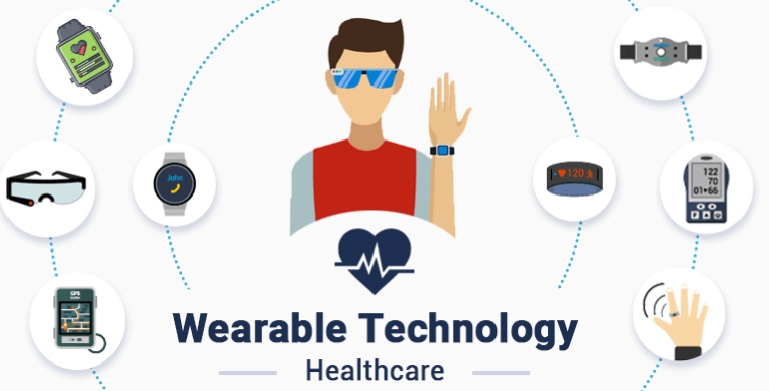

Wearable Technology Advancements (2025)
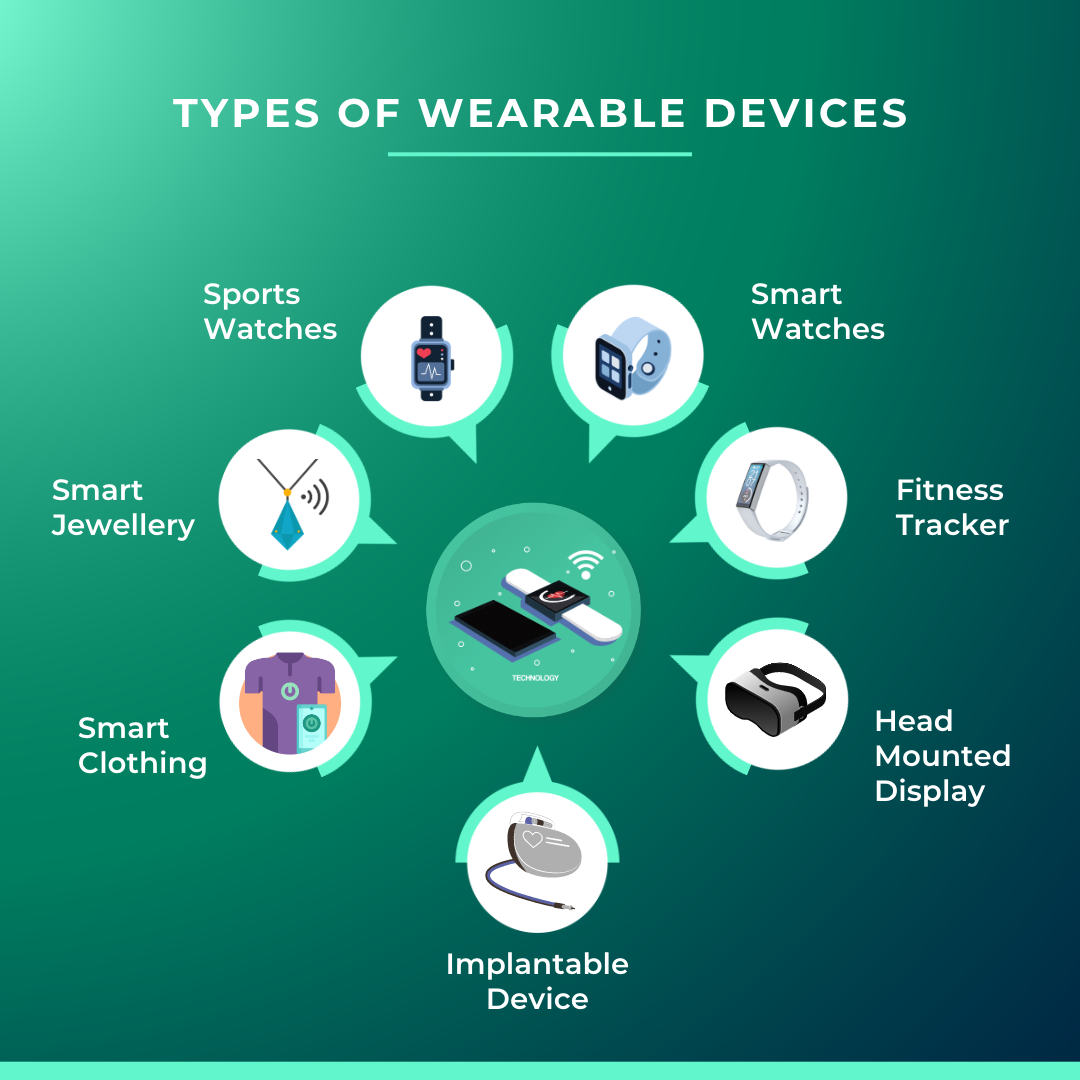
In the fast-paced world of technology, wearable devices have evolved from simple fitness trackers to sophisticated gadgets that integrate seamlessly into our daily lives. As we step into 2025, wearable technology advancements are pushing the boundaries of innovation, offering enhanced health monitoring, AI-driven insights, and improved connectivity. This article explores the latest trends in wearable tech, highlighting how these devices are transforming industries like healthcare, fitness, and even workplace safety. Whether you’re a tech enthusiast or a professional looking to stay ahead, understanding these advancements is crucial for navigating the future of personal tech.
Wearable technology in 2025 is not just about convenience; it’s about empowerment. With the global wearable technology market projected to grow from USD 86.78 billion in 2025 to USD 191.58 billion by 2032, the sector is booming, driven by consumer demand for smarter, more intuitive devices. From smartwatches that predict health issues to AR glasses that overlay digital information on the real world, the possibilities are endless. Let’s dive into the key developments shaping wearable tech this year.
The Evolution of Wearable Technology: From Past to Present
To appreciate the advancements in 2025, it’s essential to look back at the journey of wearable tech. The concept dates back to the 1960s with early prototypes like the wearable computer invented by MIT researchers. However, it wasn’t until the 2010s that wearables became mainstream, thanks to devices like the Fitbit and Apple Watch.
By the early 2020s, wearables had incorporated basic sensors for heart rate and step counting. Fast forward to 2025, and we’re witnessing a revolution. Innovations in miniaturization, battery life, and sensor accuracy have made these devices more reliable and versatile. For instance, the integration of generative AI has allowed wearables to provide personalized recommendations, such as workout plans or dietary advice based on real-time data.
The shift towards health-focused wearables has been accelerated by global events like the COVID-19 pandemic, which emphasized remote monitoring. Today, in 2025, wearables are integral to preventive healthcare, with features like continuous glucose monitoring and blood pressure tracking becoming standard. This evolution reflects a broader trend: wearables are no longer accessories; they’re essential tools for well-being.
Key Advancements in Health and Fitness Tracking
One of the most significant areas of progress in wearable technology advancements 2025 is health and fitness tracking. Modern devices go beyond counting steps; they offer comprehensive insights into your body’s functions.
Advanced Biometric Monitoring
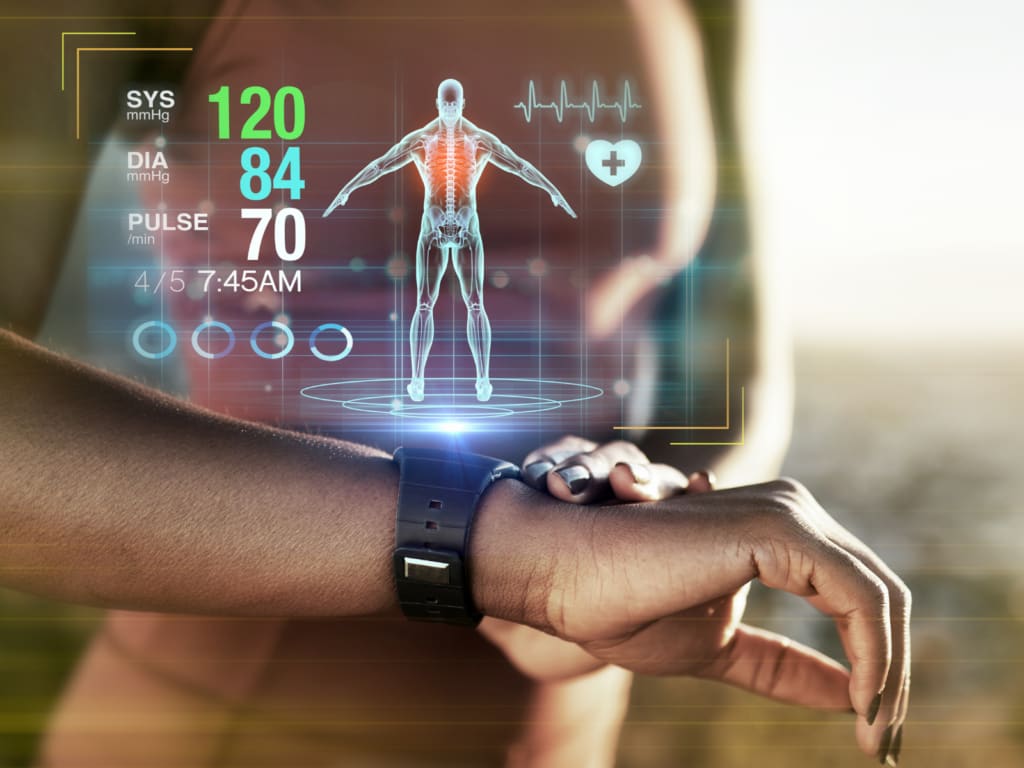
In 2025, wearables are equipped with sensors that monitor a wide array of biometrics. Sweat analysis, for example, allows devices to detect electrolyte levels and hydration status in real-time, helping athletes optimize performance during intense workouts. Core body temperature sensing is another breakthrough, particularly useful for those in extreme environments or managing chronic conditions like fever-related illnesses.
Mental health monitoring has also seen leaps forward. Wearables now use AI to analyze stress levels through heart rate variability and skin conductance, offering suggestions like breathing exercises or mindfulness prompts. Devices like the latest Fitbit models integrate with apps to track mood patterns, providing early warnings for potential mental health issues.
Predictive Analytics and AI Integration
AI is at the heart of wearable tech in 2025. Predictive wearables use machine learning to forecast health events, such as detecting irregular heart rhythms that could indicate atrial fibrillation. For fitness enthusiasts, AI-driven coaching analyzes your data to create customized training regimens, adjusting in real-time based on fatigue or recovery needs.
At CES 2025, companies showcased AI integrations like ChatGPT in wearables, allowing users to query their health data conversationally. Imagine asking your smartwatch, “How’s my sleep quality this week?” and getting a detailed, voice-activated response. This level of interactivity makes health management more accessible and engaging.
Continuous Glucose Monitoring and Beyond
For individuals with diabetes, continuous glucose monitors (CGMs) embedded in wearables have become game-changers. In 2025, these devices are non-invasive, using optical sensors to measure blood sugar levels without needles. This advancement not only improves quality of life but also reduces healthcare costs by preventing complications.
Sleep tracking has evolved too, with wearables now distinguishing between REM, deep, and light sleep stages accurately. Stress detection features use biofeedback to help users manage anxiety, contributing to overall wellness.
Smartwatches and Bands: The Core of Wearable Tech
Smartwatches remain the flagship of wearable technology advancements in 2025. Brands like Apple, Samsung, and Garmin have released models with extended battery life—up to a week on a single charge—thanks to efficient processors and solar charging capabilities.
Enhanced Connectivity and 5G/6G Integration
Connectivity is a major focus this year. With 5G widespread and 6G on the horizon, wearables offer seamless integration with smart homes and vehicles. You can control your thermostat or start your car from your wrist, all while maintaining low latency for real-time data syncing.
Fitness bands, like the updated Xiaomi Mi Band, now support standalone cellular connections, freeing users from needing a phone nearby. This is particularly beneficial for runners or hikers who want to stream music or receive emergency alerts without extra gear.

Fashion-Forward Designs
Wearables in 2025 blend technology with style. Luxury brands have entered the market, offering smartwatches with customizable bands made from sustainable materials like recycled ocean plastic. Smart rings, such as the Oura Ring 4, provide discreet tracking without the bulk of a watch, monitoring sleep, activity, and even fertility cycles.
No-screen devices are trending, relying on haptic feedback and voice commands for interaction, reducing screen time and promoting mindfulness.
AR/VR Wearables: Blurring Real and Digital Worlds
Augmented Reality (AR) and Virtual Reality (VR) wearables are exploding in popularity in 2025. Devices like Meta’s Ray-Ban smart glasses integrate AR overlays for navigation, translation, and social interactions.
Applications in Daily Life
In education, AR glasses allow students to visualize complex concepts, like anatomy or historical events, in 3D. For professionals, VR headsets facilitate remote collaborations, simulating in-person meetings with holographic avatars.
Gaming has been transformed, with wearables offering immersive experiences that track body movements for more realistic play. Health applications include VR therapy for pain management or phobia treatment, making mental health care more innovative.
Challenges in Adoption
Despite the excitement, AR/VR wearables face hurdles like motion sickness and privacy concerns. However, advancements in lightweight designs and better optics are addressing these, paving the way for broader adoption.
Medical Wearables: Revolutionizing Healthcare
Medical-grade wearables are a cornerstone of 2025 advancements. Smart implants, such as pacemakers with wireless monitoring, allow doctors to track patients remotely, reducing hospital visits.
Smart Clothing and Implants
Smart clothing embedded with sensors monitors posture, respiration, and even ECG readings. For athletes, this means injury prevention through real-time form analysis.
Smart contact lenses are emerging, capable of measuring intraocular pressure for glaucoma patients or even displaying augmented information. These non-invasive options are making healthcare more proactive.
Workplace Safety Enhancements
In industrial settings, wearable safety tech like AI-driven exoskeletons reduces physical strain, preventing injuries. Biometric monitors alert workers to fatigue or heat stress, enhancing overall safety and efficiency.
Sustainability and Ethical Considerations
As wearable tech advances, sustainability is key. Manufacturers are focusing on eco-friendly materials and recyclable components to minimize e-waste. Ethical issues, like data privacy, are being addressed through stricter regulations and transparent AI algorithms.
Battery life improvements, including solid-state batteries, extend device longevity, reducing the need for frequent replacements.
Challenges and Concerns in Wearable Tech
Despite the progress, challenges remain. Data security is paramount, as wearables collect sensitive health information. Cybersecurity threats could compromise user privacy.
Accessibility is another issue; high costs may exclude lower-income groups from these benefits. Additionally, over-reliance on tech could lead to reduced physical activity if not balanced properly.
Regulatory hurdles, especially for medical devices, slow innovation, but collaborations between tech companies and healthcare providers are helping navigate these.
Future Predictions for Wearable Technology
Looking beyond 2025, wearable tech will likely integrate more deeply with the Internet of Things (IoT). Brain-computer interfaces could allow thought-controlled devices, revolutionizing accessibility for the disabled.
Advancements in nanotechnology might lead to implantable wearables that monitor health at a cellular level. The fusion of wearables with AI will enable predictive medicine, potentially extending human lifespan.
Experts predict that by 2030, wearables will be ubiquitous, with seamless integration into clothing and accessories, making technology truly invisible.
Conclusion
Wearable technology advancements in 2025 are reshaping how we live, work, and stay healthy. From AI-powered health insights to AR-enhanced experiences, these devices offer unprecedented convenience and empowerment. As the market continues to grow, staying informed about these trends will help you make the most of this exciting era.
For more insights on tech trends, visit my blog at www.mehrublogs.com. You can reach me at mehrublogs@gmail.com for collaborations or questions.
Follow me on social media for daily updates:
– Facebook: https://www.facebook.com/MehruBlogs/
– Instagram: https://www.instagram.com/Mehrublogs.com_/
1. Top Wearable Technology Trends to Watch in 2025
2. How Wearables in 2025 Are Transforming Daily Life
3. The Future of Smartwatches: What to Expect in 2025
4. AI Wearables 2025: Smarter, Faster, Healthier
5. Best Health Tracking Wearables of 2025 Reviewed
6. Smartwatches vs Fitness Bands: Which Wearable Wins in 2025?
7. How Wearable Technology Is Revolutionizing Healthcare in 2025
8. AI-Powered Wearables: The Next Big Thing in 2025
9. Top 10 Smartwatches of 2025 You Need to See
10. The Rise of Wearables in 2025: From Fitness to Lifestyle
11. How Health Tracking Wearables Are Saving Lives in 2025
12. Wearables 2025: The Future of Personal Health Monitoring
13. Smartwatch Innovations to Expect in 2025
14. AI Wearables in 2025: Merging Intelligence with Style
15. Best Wearable Technology Devices Launching in 2025
16. How Wearables Are Redefining Workouts in 2025
17. Smartwatch Buying Guide for 2025: Features That Matter
18. The Role of AI in Wearable Technology 2025
19. Top Fitness Tracking Wearables of 2025 Compared
20. Wearables 2025: Beyond Smartwatches and Fitness Bands
21. AI Wearables for Mental Health Tracking in 2025
22. Future of Wearable Tech: Smartwatches and Beyond 2025
23. Best Wearables for Health-Conscious Users in 2025
24. How Smartwatches Are Becoming Health Companions in 2025
25. Wearable Technology in 2025: Fashion Meets Function
26. AI Wearables and Their Impact on Wellness in 2025
27. Smartwatch Trends in 2025 Everyone Should Know
28. Wearables in 2025: The Shift Toward Preventive Healthcare
29. Top Wearables for Sleep Tracking in 2025
30. How AI Wearables Will Improve Fitness Goals in 2025
31. Smartwatch Features to Look for in 2025 Models
32. Best Wearable Technology Gadgets 2025: Complete Guide
33. Wearables 2025: How They’re Enhancing Productivity
34. The Future of AI Wearables in Sports and Fitness 2025
35. Top Smartwatches of 2025 for Android and iOS Users
36. Health Tracking Wearables 2025: What’s New?
37. How AI Is Personalizing Wearables in 2025
38. Wearables 2025: Merging Tech with Lifestyle Choices
39. Smartwatch Market Growth 2025: What Consumers Want
40. Best AI-Powered Smartwatches of 2025 Reviewed


