

The Importance of Regular Exercise for a Healthy Life | Mehrublogs 2025

In today’s fast-paced world, where sedentary lifestyles dominate due to desk jobs, streaming services, and endless social media scrolling, the importance of regular exercise cannot be overstated. Regular exercise is not just about building muscles or losing weight—it’s a cornerstone of a healthy life that impacts every aspect of our well-being. From boosting physical health to enhancing mental clarity, incorporating consistent physical activity into your daily routine can lead to a longer, happier, and more vibrant existence. In this comprehensive guide from Mehrublogs 2025, we’ll dive deep into why regular exercise is essential, explore its myriad benefits, and provide practical tips to help you get started or maintain your fitness journey. Whether you’re a beginner or a seasoned athlete, understanding the profound effects of exercise will motivate you to prioritize it in your life.
As we navigate through 2025, with advancements in health tech and wellness trends, regular exercise remains a timeless pillar of health. According to health experts, adults should aim for at least 150 minutes of moderate-intensity aerobic activity or 75 minutes of vigorous-intensity activity per week, combined with muscle-strengthening activities on two or more days. But why is this so crucial? Let’s break it down step by step, exploring the science-backed reasons and real-world applications that make regular exercise a non-negotiable for a healthy life.
Understanding What Regular Exercise Means
Before delving into the benefits, it’s important to clarify what “regular exercise” entails. Regular exercise refers to consistent physical activity performed on a routine basis, ideally most days of the week. It doesn’t have to mean hours at the gym; it can include walking, cycling, yoga, swimming, or even dancing. The key is consistency and variety to engage different muscle groups and prevent burnout.
Exercise can be categorized into four main types:
- Aerobic Exercise: Activities like running, swimming, or brisk walking that increase your heart rate and improve cardiovascular endurance.
- Strength Training: Using weights, resistance bands, or bodyweight exercises to build muscle mass and bone density.
- Flexibility Exercises: Stretching routines or yoga to enhance range of motion and reduce injury risk.
- Balance Exercises: Practices like tai chi or stability ball workouts, especially beneficial for older adults to prevent falls.
Incorporating a mix of these ensures a well-rounded approach to fitness. Now, let’s explore how regular exercise contributes to a healthy life across various dimensions.
Physical Benefits of Regular Exercise
One of the most immediate and noticeable impacts of regular exercise is on physical health. Our bodies are designed for movement, and when we move regularly, we reap rewards that extend far beyond aesthetics.
Weight Management and Metabolism Boost
Regular exercise plays a pivotal role in maintaining a healthy weight. By burning calories during activity and increasing your metabolic rate even at rest, exercise helps prevent obesity—a major risk factor for numerous health issues. For instance, a 30-minute brisk walk can burn around 150-200 calories, depending on your weight and pace. Over time, this adds up, especially when combined with a balanced diet.
Moreover, strength training builds lean muscle mass, which burns more calories than fat tissue. This means that even on rest days, your body is more efficient at using energy. Studies from organizations like the American Heart Association highlight that individuals who exercise regularly are less likely to experience yo-yo dieting effects, leading to sustainable weight management.

Cardiovascular Health Improvement
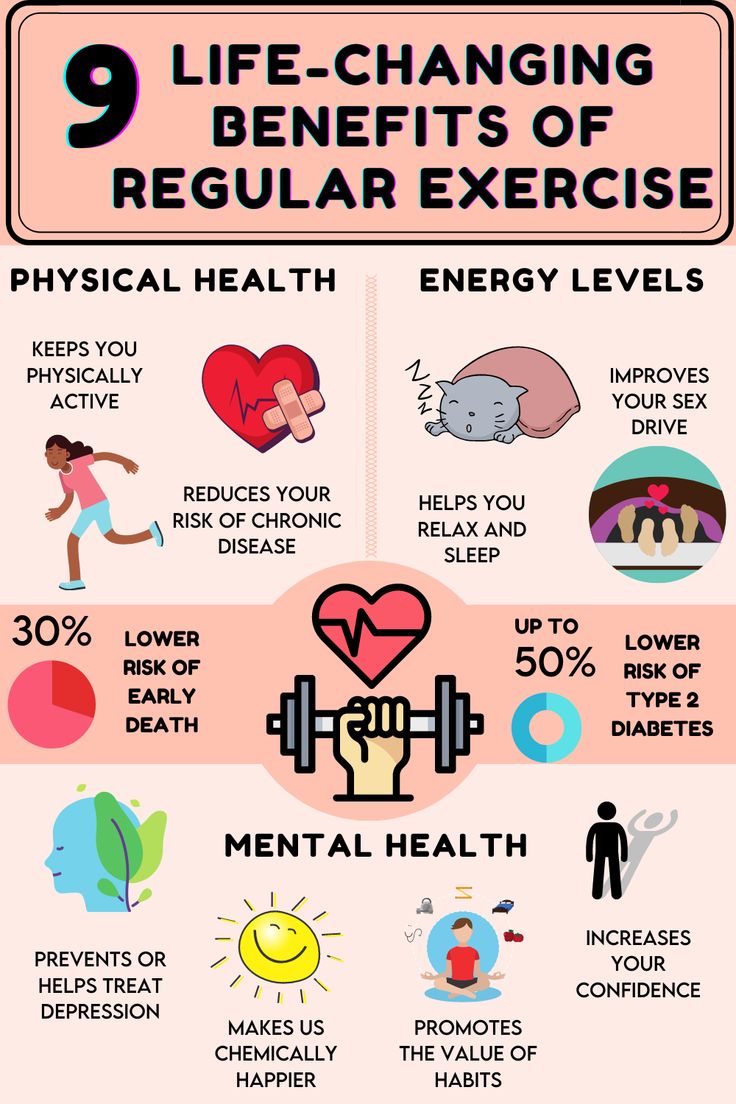
Your heart is a muscle, and like any muscle, it strengthens with use. Regular aerobic exercise lowers blood pressure, reduces bad cholesterol (LDL) levels, and increases good cholesterol (HDL). This trifecta significantly decreases the risk of heart disease, stroke, and other cardiovascular conditions.
Imagine your arteries as highways; exercise helps keep them clear and flexible, preventing plaque buildup. A meta-analysis published in the Journal of the American College of Cardiology found that people who exercise regularly have a 30-40% lower risk of developing coronary heart disease. In 2025, with rising awareness of heart health through wearable tech like fitness trackers, monitoring your heart rate during exercise has never been easier.
Enhanced Muscle Strength and Bone Density
As we age, muscle mass naturally declines—a condition known as sarcopenia—and bones can become brittle, leading to osteoporosis. Regular exercise, particularly resistance training, counters this by stimulating muscle growth and bone remodeling.
Weight-bearing exercises like squats, lunges, or hiking force bones to adapt and become denser. For women, who are at higher risk for osteoporosis post-menopause, incorporating exercises like weightlifting can be life-changing. Research from the National Institutes of Health shows that consistent strength training can increase bone density by 1-3% per year, a small but significant gain that accumulates over time.
Improved Immune Function
Did you know that moderate regular exercise can bolster your immune system? Physical activity promotes the circulation of immune cells, helping your body detect and fight off infections more efficiently. During the COVID-19 era and beyond, studies have shown that active individuals experience fewer severe symptoms from respiratory illnesses.
However, balance is key—overtraining can suppress immunity, so listen to your body and include rest days. A healthy life isn’t just about avoiding illness; it’s about building resilience through habits like regular exercise.

Mental Health Advantages of Regular Exercise
Beyond the physical, regular exercise profoundly affects mental health, often described as a natural antidepressant.
Stress Reduction and Anxiety Management
In our high-stress 2025 society, with economic pressures and digital overload, exercise serves as a powerful stress reliever. When you exercise, your body releases endorphins—chemicals that act as natural painkillers and mood elevators. A simple jog or yoga session can lower cortisol levels, the hormone associated with stress.
Cognitive behavioral therapists often recommend exercise as a complementary treatment for anxiety disorders. A study in the Archives of Internal Medicine revealed that regular exercisers report 25% less anxiety than their sedentary counterparts. Incorporating mindfulness-based exercises like tai chi can amplify these benefits, promoting a calmer, more centered mind.
Mood Enhancement and Depression Prevention
Exercise isn’t just about feeling good in the moment; it has long-term effects on mood regulation. By increasing serotonin and dopamine levels, regular physical activity can alleviate symptoms of depression. The World Health Organization estimates that depression affects over 280 million people globally, and exercise is an accessible, side-effect-free intervention.
Group exercises, such as team sports or fitness classes, also foster social connections, combating isolation—a key factor in mental health decline. In fact, a Harvard study spanning 80 years found that strong relationships, often built through shared activities like exercise, are the biggest predictor of a happy life.
Better Sleep Quality
Struggling with insomnia? Regular exercise can help regulate your sleep-wake cycle. By expending energy during the day, your body craves restorative sleep at night. Aim for morning or afternoon workouts, as evening sessions might energize you too much.
Research from the Sleep Medicine Reviews journal indicates that consistent exercisers fall asleep faster and enjoy deeper sleep stages, leading to improved cognitive function and energy levels the next day. A healthy life cycle includes quality rest, and exercise is the bridge to achieving it.
Cognitive Function and Brain Health
Exercise isn’t just for the body—it’s brain food. Regular physical activity increases blood flow to the brain, promoting neurogenesis (the growth of new brain cells) in areas like the hippocampus, which is crucial for memory and learning.
As we approach an aging population in 2025, preventing cognitive decline is paramount. Studies from the Alzheimer’s Association link regular exercise to a reduced risk of dementia and Alzheimer’s disease. Even moderate activities like walking can enhance focus, creativity, and problem-solving skills, making exercise essential for professional and personal success.
Preventing Chronic Diseases Through Regular Exercise
One of the most compelling reasons for regular exercise is its role in disease prevention. A healthy life is one free from chronic ailments, and exercise is a proactive shield.
Lowering Risk of Type 2 Diabetes
Exercise improves insulin sensitivity, helping your body use glucose more effectively. This is vital in preventing type 2 diabetes, a condition affecting millions worldwide. The Centers for Disease Control and Prevention (CDC) reports that 150 minutes of weekly exercise can reduce diabetes risk by up to 58% in prediabetic individuals.
Cancer Risk Reduction
While not a cure, regular exercise is associated with a lower incidence of certain cancers, including breast, colon, and lung cancer. Mechanisms include reduced inflammation, better hormone regulation, and enhanced immune surveillance. The American Cancer Society recommends physical activity as part of a cancer-preventive lifestyle.
Managing Chronic Pain and Arthritis
For those with arthritis or chronic pain, exercise might seem counterintuitive, but low-impact activities like swimming or cycling can strengthen joints and reduce stiffness. Regular movement lubricates joints and builds supporting muscles, alleviating pain over time.
Types of Exercise for a Balanced Routine
To maximize benefits, diversify your exercise regimen. Here’s a deeper look:
Cardiovascular Exercises
Activities like running, cycling, or rowing elevate your heart rate, improving endurance. Start with 20-30 minutes and build up. In 2025, apps and VR workouts make cardio fun and accessible.
Strength and Resistance Training
Use free weights, machines, or bodyweight for exercises like push-ups and deadlifts. Aim for 2-3 sessions weekly, focusing on major muscle groups.
Flexibility and Mobility Work
Yoga or Pilates enhances flexibility, reducing injury risk. These practices also promote relaxation, tying back to mental health benefits.
Balance and Coordination Drills
Essential for seniors, but beneficial for all. Try standing on one foot or using a balance board.
Getting Started with Regular Exercise
If you’re new to exercise, start small to build habits.
Setting Realistic Goals
Begin with achievable targets, like a 10-minute daily walk. Use SMART goals: Specific, Measurable, Achievable, Relevant, Time-bound.
Creating a Routine
Schedule exercise like appointments. Morning workouts can energize your day, while evenings help unwind.
Choosing the Right Gear
Invest in comfortable shoes and clothing. Trackers like smartwatches can motivate you with data.
Seeking Professional Guidance
Consult a doctor before starting, especially with health conditions. Trainers or apps can provide personalized plans.

Overcoming Common Barriers to Exercise
Life gets busy, but excuses shouldn’t derail your healthy life.
Time Constraints
Incorporate short bursts—high-intensity interval training (HIIT) delivers benefits in 15-20 minutes.
Motivation Dips
Join communities or use apps for accountability. Reward yourself for milestones.
Physical Limitations
Adapt exercises—chair yoga for mobility issues or water aerobics for joint pain.
Weather or Environment
Indoor options like home workouts or gym memberships ensure consistency.
The Synergy of Exercise and Nutrition
Exercise alone isn’t enough; pair it with nutrition for optimal results. A diet rich in whole foods—fruits, veggies, lean proteins, and healthy fats—fuels your workouts and aids recovery. Hydration is key; aim for 8-10 glasses daily.
Supplements like protein powder can help, but focus on real food. Meal prepping ensures you don’t skip nutrition post-exercise.
Exercise Across Life Stages
For Children and Teens
Regular exercise builds habits early, promoting growth and focus. Encourage play-based activities to combat screen time.
For Adults
Balance work and fitness; desk stretches or lunchtime walks integrate easily.
For Seniors
Focus on low-impact exercises to maintain independence and vitality.
Exercise in the Digital Age: 2025 Trends
With AI coaches and virtual reality, exercise is more engaging. Wearables track progress, making data-driven adjustments possible.
Conclusion: Embrace Regular Exercise for a Thriving Life
The importance of regular exercise for a healthy life is undeniable. From physical vitality to mental resilience, disease prevention to enhanced quality of life, consistent movement transforms how we live. In 2025, as Mehrublogs continues to inspire wellness journeys, remember: starting is the hardest part, but the rewards are lifelong.
Ready to take the first step? Visit our website for more tips: www.mehrublogs.com. For inquiries, email us at mehrublogs@gmail.com.
Follow us on social media for daily motivation:
- Facebook: https://www.facebook.com/MehruBlogs/
- Instagram: https://www.instagram.com/Mehrublogs.com_/
1. Regular Exercise for a Healthy Life: Top Benefits You Can’t Ignore in 2025
2. 10 Exercise Benefits That Improve Both Body and Mind
3. Fitness for Health: Why Regular Workouts Are Essential in 2025
4. The Role of Exercise in Building a Healthy Lifestyle for 2025
5. Daily Exercise Benefits That Transform Your Wellness Routine
6. Regular Exercise and Healthy Life: A Complete 2025 Guide
7. Fitness for Health: How to Stay Active and Energized in 2025
8. The Science-Backed Benefits of Regular Exercise for Longevity
9. Exercise Benefits for Mental Health and Stress Relief in 2025
10. Wellness in 2025: How Fitness Boosts Immunity and Vitality
11. Regular Exercise Routines for a Strong and Healthy Body
12. Top 20 Exercise Benefits for a Longer, Happier Life
13. Fitness for Health: Simple Steps to Improve Your Daily Routine
14. 2025 Wellness Trends: Why Regular Exercise Tops the List
15. The Connection Between Exercise and a Healthy Life Explained
16. 10 Daily Exercise Habits That Guarantee Better Health
17. Fitness for Health: The Ultimate 2025 Wellness Blueprint
18. Regular Exercise Benefits for Weight Loss and Energy Boost
19. Why Exercise Is the Key to a Healthy Lifestyle in 2025
20. The Benefits of Morning Exercise for a Healthy Life
21. Fitness for Health: Smart Workout Tips for Beginners in 2025
22. How Regular Exercise Improves Heart and Brain Health
23. The Best 2025 Exercises for a Healthy Mind and Body
24. Exercise Benefits That Go Beyond Physical Appearance
25. Fitness for Health: How to Create a Sustainable 2025 Routine
26. Why Regular Exercise Is the Secret to Anti-Aging in 2025
27. Exercise Benefits for Students: Boosting Focus and Memory
28. The Top 10 Fitness for Health Tips in 2025 Wellness Guides
29. Daily Workouts for a Healthy Life: 2025 Expert Advice
30. Exercise Benefits That Improve Sleep and Recovery
31. Fitness for Health: How to Balance Strength and Cardio in 2025
32. The Role of Regular Exercise in Preventing Chronic Diseases
33. 2025 Wellness: How Fitness Shapes Your Future Health
34. Top 15 Exercise Benefits Backed by Science in 2025
35. Fitness for Health: Home Workouts That Actually Work
36. Regular Exercise for a Healthy Life: How to Stay Motivated
37. Exercise Benefits That Support Mental Clarity in 2025
38. 2025 Wellness Guide: Why Fitness Matters More Than Ever
39. The Role of Regular Exercise in Building Immune Strength
40. Fitness for Health: The Link Between Exercise and Happiness
41. Exercise Benefits for Busy Professionals in 2025
42. Regular Exercise Habits for a Healthy, Balanced Life
43. Top 10 2025 Fitness Hacks for Better Health and Wellness
44. Exercise Benefits That Fuel Energy and Productivity
45. Fitness for Health: Building the Perfect Daily Routine in 2025
46. Why Consistency in Exercise Is the Key to a Healthy Life
47. 2025 Wellness: How Regular Exercise Helps You Thrive
48. The Long-Term Benefits of Regular Exercise for Overall Health
49. Fitness for Health: Best Exercise Plans to Follow in 2025
50. How Regular Exercise Keeps Your Body and Mind Sharp in 2025
51. Exercise Benefits You’ll Notice Within 30 Days of Starting
52. 2025 Fitness and Wellness: The Power of Staying Active
53. Fitness for Health: Daily Routines That Promote Longevity
54. Exercise Benefits for Families: How to Build Healthy Habits
55. The Future of Wellness in 2025: Regular Exercise as the Core


