
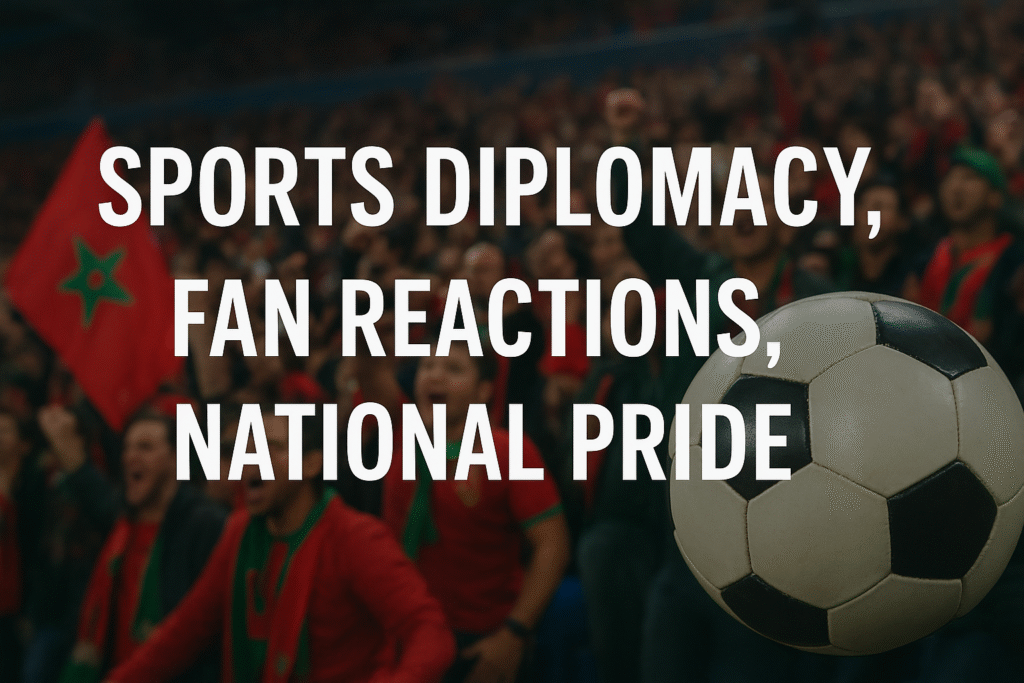

Introduction: The Power of Sports Beyond the Field
Sports are more than competitions of strength, skill, and endurance — they are bridges between nations, reflections of identity, and platforms for diplomacy. From the Olympics to the FIFA World Cup, sports have shaped global narratives of peace, rivalry, national pride, and unity. The shared language of sports transcends cultural and political divides, making it one of the most powerful tools of soft power diplomacy.
In this comprehensive article, we will explore:
-
The role of sports diplomacy in international relations.
-
How fans react emotionally and politically to sports victories and defeats.
-
Why national pride is deeply tied to athletic success.
-
Case studies of sports uniting or dividing nations.
-
The growing influence of digital media, social platforms, and fan communities in shaping perceptions.
1. What Is Sports Diplomacy?
Sports diplomacy refers to the use of sports as a political and cultural tool to improve international relations, foster peace, and promote national image. Governments, athletes, and sporting organizations employ it to:
-
Showcase cultural identity.
-
Ease political tensions.
-
Build economic and cultural partnerships.
-
Promote peace initiatives.
Key Examples of Sports Diplomacy
-
Ping Pong Diplomacy (1971): China and the United States used table tennis matches to thaw Cold War tensions.
-
North and South Korea (2018): Athletes marched together at the Winter Olympics opening ceremony, symbolizing unity.
-
Cricket Diplomacy (India-Pakistan): High-stakes cricket matches often serve as informal diplomatic exchanges.
-
Qatar World Cup 2022: Hosted to elevate Qatar’s global image and assert regional soft power.
2. The Role of International Sporting Events in Diplomacy
Global events like the Olympics, FIFA World Cup, and Commonwealth Games serve as platforms for nations to display soft power and cultural values.
Olympics
The Olympics embody peace, cooperation, and competition. Hosting the Olympics allows a country to:
-
Showcase its modern infrastructure.
-
Strengthen tourism and economic opportunities.
-
Reinforce global prestige.
FIFA World Cup
Football is the world’s most popular sport, and the World Cup often sparks national unity. From Brazil to Argentina, victories are celebrated as collective achievements that elevate global recognition.
Regional Tournaments
Events like Asian Games, African Cup of Nations, Copa América, and ICC Cricket World Cup also function as diplomatic spaces.
3. Fan Reactions: The Emotional Pulse of Sports
Fans are the lifeblood of sports. Their reactions are not only about the game itself but also about national identity, pride, and emotion.
Positive Fan Reactions
-
Unity Across Borders: Shared admiration for legendary players (e.g., Lionel Messi, Serena Williams, Virat Kohli).
-
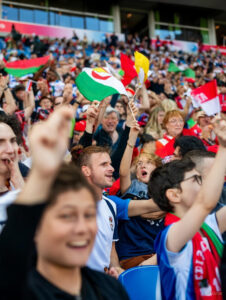
Celebrations of Identity: Fans proudly wave national flags, paint faces, and create viral chants.
Negative Fan Reactions
-
Tensions and Rivalries: Football riots in Europe, cricket clashes in South Asia, and hooliganism are well-documented.
-
Political Overlaps: Fans sometimes protest against governments using sporting events as platforms.
4. National Pride and Sports
Sports victories fuel national pride more than almost any other achievement. Athletes become symbols of identity and inspiration.
Why Sports Affect National Pride
-
Athletes embody national values like resilience, courage, and determination.
-
International victories place smaller nations on the world stage (e.g., Jamaica’s sprint dominance).
-
Sports achievements often inspire youth to pursue dreams beyond limitations.Sports diplomacy
Fan reactions National pride in sports Global sports events Cricket diplomacy Olympics and diplomacy Sports soft power Sports and politics
FIFA World Cup diplomacy
5. Sports as a Tool of Unity and Division
Sports can both unite and divide societies.
-
Unity: South Africa’s Rugby World Cup win in 1995 brought post-apartheid unity under Nelson Mandela’s leadership.
-
Division: When politics interfere with sports, rivalries turn hostile (e.g., Balkan football rivalries).
6. Case Studies in Sports Diplomacy
Case Study 1: India-Pakistan Cricket Diplomacy
Cricket has long been a diplomatic channel between the two neighbors. Leaders often attend matches together to ease tensions, even during political crises.
Case Study 2: The USA and USSR in the Olympics
Cold War rivalries played out in Olympic boycotts (1980, 1984). Sports became a battlefield of ideologies.
Case Study 3: Japan’s Soft Power Through Baseball
Japan’s export of baseball culture has strengthened ties with the U.S. and East Asia.
Case Study 4: Qatar 2022 World Cup
Despite controversies, Qatar used the World Cup to brand itself as a global hub of sports, tourism, and diplomacy.
7. The Role of Athletes in Diplomacy
Athletes often serve as unofficial ambassadors:
-
Muhammad Ali: Advocated for peace and equality globally.
-
Cristiano Ronaldo & Lionel Messi: Promote humanitarian causes through global fame.
-
Imran Khan: Transitioned from cricket legend to political leader in Pakistan.
8. Media, Social Media, and Fan Influence
In today’s digital era, social media platforms amplify fan voices. Reactions trend globally within seconds.
-
Twitter & Hashtags: Fans use hashtags to show support (#MessiGOAT, #BleedBlue).
-
Facebook Groups: Unite fans worldwide.
-
Instagram & TikTok: Athletes use these platforms to shape their brand.
-
YouTube & Streaming: Globalize sports content, making it accessible to all.
9. Sports and National Branding
Nations strategically use sports to boost image, tourism, and investment.
-
Spain: Marketed itself globally after Barcelona 1992 Olympics.
-
China: Beijing 2008 Olympics was a showcase of power and progress.
-
Saudi Arabia: Investing in football (Cristiano Ronaldo, Saudi Pro League) to rebrand internationally.
10. Challenges of Sports Diplomacy
Sports diplomacy faces several challenges:
-
Commercialization & Corruption (e.g., FIFA scandals).
-
Political Exploitation (boycotts, bans, propaganda).
-
Fan Violence & Racism.
-
Media Biases and Narratives.
11. Future of Sports Diplomacy
The future will be shaped by:
-
Digital Diplomacy: Social media influencing relations.
-
Women in Sports: Rising visibility as leaders and ambassadors.
-
E-Sports Diplomacy: Gaming emerging as a new global stage.
-
Green Sports Diplomacy: Sustainable events aligning with climate goals.
Conclusion
Sports diplomacy remains a universal language of peace, pride, and connection. Fan reactions add emotional depth, while national pride drives collective identity. In an interconnected digital era, sports will continue to be a bridge for cultures, a platform for nations, and a mirror of human unity and rivalry.
Social Links – Stay Connected with Mehrublogs
-
📘 Facebook: https://www.facebook.com/MehruBlogs/
-
📸 Instagram: https://www.instagram.com/MehruBlogs.com_/
-
✍️ Medium: https://medium.com/@mehrublogs/
-
📌 Pinterest: https://www.pinterest.com/mehrublogs/
-
📧 Email: mehrublogs@gmail.com
-
🌍 Website: www.mehrublogs.com


