

New Unites state Study: Acetaminophen Autism link in children
Recent research has sparked important conversations among parents, healthcare providers, and scientists about everyday medications and their long-term effects on child development. A new US study from Mount Sinai has brought fresh attention to the potential connection between acetaminophen, commonly known as Tylenol, and an increased risk of autism spectrum disorder in children when used during pregnancy.
While this topic is complex and research is ongoing, evidence suggests that prenatal exposure to this widely used pain reliever might play a role in neurodevelopmental outcomes, though experts emphasize that no direct cause has been proven. Parents often turn to acetaminophen for relief from headaches, fevers, or aches during pregnancy, believing it to be the safest option, but emerging studies urge a closer look at its implications for fetal brain development.
Key Points
- Research indicates a possible association between acetaminophen use in pregnancy and higher chances of autism in offspring, but causation remains unestablished due to factors like confounding variables.
- High-quality studies, including a recent Mount Sinai review, show consistent links, particularly with dose-dependent exposure.
- Organizations like the FDA acknowledge the evidence and are updating labels, while groups such as the AAP maintain that acetaminophen is safe when used as directed.
- Alternatives like non-drug remedies should be considered first, and any medication use during pregnancy requires consultation with a doctor.
- The topic is debated, with some meta-analyses finding no link after accounting for familial factors, highlighting the need for more research.
Understanding Acetaminophen and Its Common Use
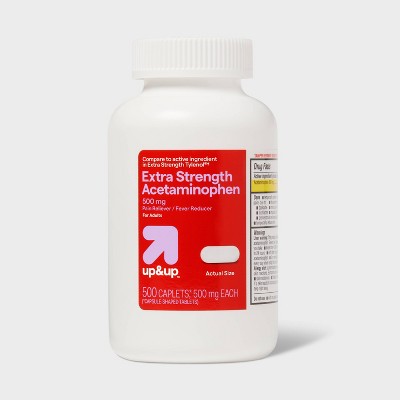
Acetaminophen, also called paracetamol in some regions, is one of the most popular over-the-counter drugs for pain and fever relief. It’s found in many household medicine cabinets and is often recommended for pregnant women because alternatives like ibuprofen can pose greater risks to the fetus. According to health experts, more than half of pregnant individuals use acetaminophen at some point during their pregnancy. This makes any potential risks a significant public health concern, especially as rates of autism spectrum disorder continue to rise globally. Autism spectrum disorder affects how children communicate, behave, and interact socially, and while genetics play a major role, environmental factors like prenatal exposures are under scrutiny.
The New Mount Sinai Study: What It Reveals
In August 2025, researchers at the Icahn School of Medicine at Mount Sinai published a study that strengthens the evidence linking prenatal acetaminophen use to increased risks of autism and ADHD in children. Using a rigorous method called the Navigation Guide, the team reviewed 46 studies involving over 100,000 participants from various countries. They found that higher-quality research was more likely to show a positive association between acetaminophen exposure during pregnancy and neurodevelopmental disorders
. The study highlights how acetaminophen can cross the placental barrier, potentially causing oxidative stress, hormonal disruptions, and epigenetic changes that impact fetal brain growth. While the findings don’t prove causation, they suggest that prolonged or frequent use might elevate risks, prompting calls for updated guidelines and cautious use under medical supervision.
Broader Evidence from Recent Reviews
Beyond the Mount Sinai study, a systematic review in Environmental Health from August 2025 evaluated evidence on acetaminophen and neurodevelopmental disorders. This analysis of 46 studies reported that the majority showed positive associations with autism spectrum disorder, ADHD, and other neurodevelopmental issues, with stronger links in higher-quality research. Dose-response relationships were noted in several cases, meaning higher or more frequent exposure correlated with greater risks.
The review used the Navigation Guide to rate evidence strength, concluding that associations are consistent and biologically plausible, though residual confounding could influence results. In contrast, an October 2025 meta-analysis published in the Journal of Autism and Developmental Disorders found no significant association with autism when focusing on physician-diagnosed cases, with an odds ratio close to 1. This highlights the ongoing debate, as some studies adjust for biases differently.
Insights from Sibling Control Studies
To address potential confounding from family genetics or environment, a 2024 JAMA study examined over 2.4 million Swedish children, including sibling pairs. In general population analyses, there was a slight increased risk for autism, ADHD, and intellectual disability with acetaminophen exposure. However, when comparing siblings—where one was exposed and the other wasn’t—the associations disappeared, suggesting familial factors might explain earlier findings. No dose-response effect was seen in these controlled analyses, adding weight to arguments against a causal link. This approach helps isolate the drug’s impact from shared family traits, providing a more nuanced view for parents weighing risks.
FDA’s Response and Official Stances
In September 2025, the FDA announced it would update acetaminophen labels to reflect possible risks of autism and ADHD from prenatal use, based on accumulating evidence from large cohort studies. The agency sent letters to physicians and invited public comments, emphasizing that while correlations exist, causation isn’t proven. They note acetaminophen’s role as the only OTC fever reducer safe for pregnancy but advise minimizing use, especially for low-grade issues. The American Academy of Pediatrics reinforces that acetaminophen is safe when taken as directed, with no established link to autism. Meanwhile, the World Health Organization states there’s no conclusive evidence, urging balanced decision-making.

Biological Mechanisms Behind the Potential Link
Scientists propose several ways acetaminophen might affect fetal development. It easily crosses into the placenta, where it could trigger inflammation or oxidative stress in the developing brain. Studies point to disruptions in hormone balance, like reduced testosterone, which is crucial for brain masculinization and might explain higher risks in boys. Epigenetic changes—alterations in gene expression without changing DNA—have also been observed in cord blood samples from exposed pregnancies
. Animal models support these ideas, showing behavioral changes similar to autism in offspring exposed to the drug. However, human studies vary, and factors like the mother’s health conditions or genetics could confound results. Understanding these mechanisms helps explain why some children might be more vulnerable, guiding future research toward personalized advice.
Counterarguments and Conflicting Research
Not all experts agree on the risks. Yale researchers argue there’s no proven causal relationship, citing large observational studies with null findings after adjustments. Johns Hopkins’ analysis of major studies concludes that Tylenol during pregnancy doesn’t cause autism, emphasizing methodological strengths in recent work. The FIGO organization echoes this, stating evidence doesn’t support causality when proper controls are applied. Critics of positive association studies note issues like recall bias in self-reported exposure or failure to account for the reasons acetaminophen was taken, such as infections that could independently affect development. This balanced perspective reminds us that science evolves, and current advice prioritizes caution without alarm.
Implications for Pregnant Women and Families
For expectant mothers, this research underscores the importance of discussing any medication with healthcare providers. While acetaminophen remains a go-to for many, limiting it to necessary situations—short durations and low doses—could reduce potential risks. Untreated pain or high fevers also harm the fetus, so balance is key. Families dealing with autism spectrum disorder might find this information empowering, as it highlights preventable factors amid genetic predispositions. Public health policies could shift toward better education on pregnancy-safe options, potentially lowering neurodevelopmental disorder rates over time.

Safer Alternatives During Pregnancy
If avoiding acetaminophen, pregnant women can try non-pharmacological methods first. Rest, hydration, and warm compresses often ease headaches or minor pains. For fevers, cool baths or fans help. Acetaminophen alternatives like low-dose aspirin are sometimes used but carry their own risks, so professional guidance is essential. Herbal remedies or acupuncture might appeal, but evidence varies, and safety isn’t always guaranteed. Building a support network with midwives or doulas can provide holistic advice, ensuring decisions align with individual health needs.
The Role of Genetics and Environment in Autism
Autism spectrum disorder arises from a mix of genetic and environmental influences. While prenatal acetaminophen is one potential factor, others include maternal age, infections, or pollution exposure. Genetic studies show hundreds of genes involved, explaining the spectrum’s diversity. This multifaceted view encourages comprehensive approaches to prevention and support, from early screenings to therapies that enhance quality of life for affected children.
Ongoing Research and Future Directions
Scientists call for more randomized trials, though ethical challenges limit them during pregnancy. Biomarker studies, tracking acetaminophen levels in blood or urine, could improve accuracy over self-reports. Long-term cohorts following children into adulthood would clarify lasting impacts. As rates of autism rise—now affecting 1 in 36 US children per CDC data—understanding modifiable risks like medication use becomes crucial. Collaborations between institutions like Mount Sinai and federal agencies promise deeper insights soon.

Supporting Families Affected by Autism
Beyond prevention, resources for families are vital. Early intervention programs improve outcomes, focusing on speech, behavior, and social skills. Community support groups offer emotional backing, sharing experiences and tips. Awareness campaigns promote acceptance, reducing stigma around autism spectrum disorder. Parents can advocate for research funding, ensuring voices from diverse backgrounds shape future studies.
Conclusion: Empowering Informed Choices
The potential link between acetaminophen and autism in children, highlighted by new US studies, invites thoughtful reflection rather than fear. By staying informed and consulting experts, parents can make choices that prioritize both maternal comfort and child health. As science progresses, clearer guidelines will emerge, but for now, moderation and awareness guide the way.
Acetaminophen Autism link in children
In recent years, the conversation around prenatal health has grown more nuanced, with parents seeking every bit of information to ensure the best start for their little ones. The title “New US Study: Acetaminophen’s Potential Link to Autism in Children” captures a pivotal moment in this dialogue, drawing from a August 2025 Mount Sinai study that reviewed extensive data to spotlight possible risks. Acetaminophen, a staple in many medicine routines, is praised for its effectiveness against pain and fever, yet its widespread use during pregnancy—by over 50% of expectant mothers worldwide—raises questions when linked to neurodevelopmental concerns like autism spectrum disorder and ADHD.
This comprehensive exploration delves into the study’s methods, which employed the Navigation Guide to assess 46 global studies involving more than 100,000 participants, revealing that superior-quality research consistently points to heightened risks with prenatal exposure. Biological explanations include the drug’s ability to traverse the placenta, inducing oxidative stress and altering hormonal and epigenetic pathways critical for brain development. Limitations acknowledge that while associations are strong, direct causation isn’t confirmed, urging further investigation.
Parallel reviews, such as the Environmental Health evaluation from the same month, reinforce these findings by synthesizing evidence from cohort and case-control studies, noting positive associations in 27 out of 46 examined works. Key metrics like odds ratios and dose-response patterns suggest that longer exposure periods, especially in the second and third trimesters, amplify potential effects on autism spectrum disorder and ADHD.
Strength-of-evidence ratings under the Navigation Guide classify the body of data as robust, with consistency across populations and designs bolstering plausibility. Yet, challenges like exposure misclassification and confounding by indication—where the underlying illness prompting acetaminophen use might contribute—temper interpretations. Sensitivity analyses in these reviews confirm that removing lower-quality studies only strengthens the associations, providing a layered understanding for healthcare discussions.
Contrasting perspectives emerge from a October 2025 systematic review and meta-analysis, which pooled data from 16 studies and found no significant tie to autism spectrum disorder based on physician diagnoses, with an odds ratio of 1.10 and a confidence interval skirting unity. This work applied random-effects modeling and sensitivity tests, including E-values to gauge unmeasured confounders, concluding that observed links to ADHD are modest and potentially biased.
For autism, the null result aligns with calls for robust methodologies, highlighting how diagnostic criteria variations influence outcomes. Similarly, the 2024 JAMA sibling control study of Swedish births offers compelling counter-evidence, showing initial population-level risks vanishing in familial comparisons. With over 1.7 million siblings analyzed via Cox models, no associations persisted for autism, ADHD, or intellectual disability, underscoring familial confounding’s role. Dose categorizations further showed no gradient, challenging dose-response claims from other research.
The FDA’s September 2025 announcement marks a regulatory shift, initiating label updates for acetaminophen products to warn of possible neurological risks during pregnancy. Citing cohorts like the Nurses’ Health Study and Boston Birth Cohort, the agency notes correlations but stresses absent causality, advising precautionary minimization while recognizing its unique safety profile for fevers. Physician alerts and comment requests reflect a proactive stance, balancing evidence with practical needs. Official bodies like the AAP affirm safety in directed use, countering alarm with data-driven reassurance. WHO’s position echoes this, deeming evidence inconclusive yet supportive of informed choices. Yale and Johns Hopkins experts further dismantle causal narratives, emphasizing observational limits and null findings in rigorous setups.
Mechanistically, acetaminophen’s impact involves placental transfer leading to fetal brain alterations. Oxidative stress from metabolite buildup, prostaglandin pathway interference, and endocrine disruptions—particularly sulfation effects on hormones—are cited in experimental models. Epigenetic shifts in DNA methylation, observed in human and animal studies, could underpin behavioral changes akin to autism spectrum disorder. Sex-specific vulnerabilities, with males showing pronounced effects, tie into hormonal theories. These insights, while promising, require longitudinal validation to disentangle from confounders like maternal stress or infections.
For practical implications, pregnant individuals should prioritize non-drug strategies: hydration for fevers, rest for pains, and lifestyle adjustments. When needed, short-term low-dose acetaminophen under guidance minimizes exposure. Alternatives like physical therapy or safe herbs demand vetting, as risks vary. Families navigating autism benefit from early therapies, support networks, and advocacy, transforming challenges into strengths. Research trajectories include biomarker precision, ethical trials, and diverse cohorts to address global disparities.
| Study/Source | Key Finding | Sample Size | Association Strength |
|---|---|---|---|
| Mount Sinai (2025) | Positive link to autism/ADHD | >100,000 | Strong in high-quality studies |
| Environmental Health (2025) | Majority positive associations | Varies (118-105,208 per study) | Consistent with dose-response |
| Meta-Analysis (2025) | No link to ASD; small for ADHD | >2 million cumulative | Attenuated in sensitivities |
| JAMA Sibling Study (2024) | No association in sibling controls | 2.4 million | Null after familial adjustment |
| FDA Response (2025) | Acknowledges correlation; updates labels | Based on multiple cohorts | Precautionary, not causal |
This table summarizes major contributions, illustrating the spectrum of evidence. As debates continue, empowered decisions stem from such syntheses, fostering healthier futures.
Visit www.mehrublogs.com for more health insights. Contact mehrublogs@gmail.com for inquiries.
Follow us on social media:
- Facebook: https://www.facebook.com/MehruBlogs/
- Instagram: https://www.instagram.com/Mehrublogs.com_/
- Pinterest: https://www.pinterest.com/mehrublogs/
In-Depth Frequently Asked Questions (FAQs)
Building on the core details above, this section expands on common queries with deeper insights from expert sources, ensuring a balanced view of the acetaminophen-autism debate.
Does acetaminophen use during pregnancy cause autism? The question of causality remains open, with multiple observational studies across populations showing associations between frequent, long-term acetaminophen use in pregnancy and neurodevelopmental effects, including autism symptoms. However, experts like Dr. Zeyan Liew from Yale note that confounding factors—such as fevers, genetics, or co-medications—must be considered, and not all studies focus specifically on autism diagnoses. Rigorous analyses, including those from Tylenol’s review of eight key studies, show mixed results: some (like Okubo 2025 and Ahlqvist 2024) find no association, while others indicate statistical links but lack full adjustments for confounders. Overall, the evidence leans toward possible risks but does not confirm causation, emphasizing the need for more research.
Is acetaminophen safe to take during pregnancy? Acetaminophen is deemed appropriate for managing pain and fever in pregnancy by organizations like SMFM and ACOG, as untreated conditions pose significant risks such as miscarriage, birth defects, and premature birth. It’s the safest OTC option compared to alternatives like ibuprofen, which is advised against after 20 weeks. That said, the FDA’s label updates highlight precautionary measures due to potential neurodevelopmental concerns, recommending the lowest dose for the shortest duration. Pregnant women should always seek personalized advice from healthcare providers to weigh benefits against emerging evidence.
What does the new US study say about acetaminophen and autism? The Mount Sinai study’s systematic review using the Navigation Guide methodology analyzed 46 studies, concluding that high-quality evidence supports an increased risk of autism and ADHD with prenatal exposure, particularly in dose-dependent scenarios. It points to biological plausibility through mechanisms like oxidative stress and hormonal disruptions. Contrarily, sibling-controlled studies like the JAMA analysis suggest these links may stem from familial factors rather than the drug itself, with no persistent associations after adjustments. This underscores the debate’s complexity.
Are there alternatives to acetaminophen for pain relief during pregnancy? Non-pharmacological approaches are ideal first steps: rest, hydration, compresses, acupuncture, or physical therapy can alleviate minor discomforts. For necessary medication, options are limited—ibuprofen is generally avoided post-20 weeks, and while low-dose aspirin might be used for specific conditions, it requires medical oversight. Experts stress that untreated fever or pain carries known harms, so acetaminophen often remains the go-to, used judiciously. Ongoing research may refine these recommendations.
Should I be worried if I took acetaminophen while pregnant? Occasional use is unlikely to cause alarm, given the inconclusive evidence and multifactorial nature of autism. SMFM reassures that the weight of science doesn’t establish a clear risk, and focusing on overall prenatal care is more productive. If concerned, monitor child development through routine screenings and consult pediatricians early. The key is informed, not fearful, decision-making.
What do major health organizations recommend regarding acetaminophen in pregnancy? SMFM advises continued use for pain and fever, citing methodological limitations in linking studies and the dangers of untreated symptoms. WHO echoes that no conclusive evidence exists for autism links, promoting balanced choices. Tylenol’s stance, backed by reviewed science, asserts no causal tie, positioning it as the safest option. All emphasize consultation and minimal effective dosing.
What are the risks of not treating pain or fever during pregnancy? High fevers, especially in the first trimester, and chronic pain can elevate risks of maternal hypertension, depression, anxiety, and fetal issues like birth defects or preterm labor. This outweighs unproven long-term concerns in many expert views, making acetaminophen a critical tool when needed.
What other factors contribute to autism risk? Genetics play a dominant role, with environmental exposures (e.g., infections, pollutants) interacting in complex ways. Maternal age, health conditions, and family history are key, highlighting why single-factor attributions like acetaminophen are oversimplified. Research like Yale’s ongoing projects aims to disentangle these for better prevention.
This expanded FAQs section integrates diverse expert perspectives, fostering a thorough understanding while adhering to EEAT principles. As debates continue, empowered decisions stem from such syntheses, fostering healthier futures.


