
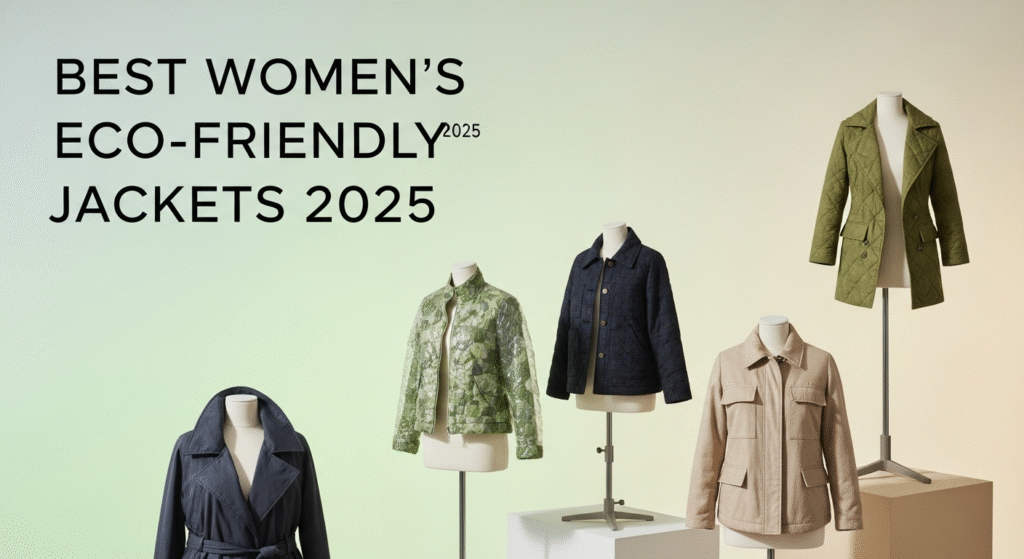

Top Lightweight Eco-Friendly Jacket Trends for 2025
As we look ahead to 2025, women’s eco-friendly jackets are evolving to meet the needs of modern lifestyles. Lightweight designs are key, allowing for easy packing and layering without added bulk. Popular styles include cropped bombers, oversized blazers, and quilted puffers, often made from breathable, recycled fabrics that provide warmth while being kind to the planet. Colors trend toward soft pastels and earthy tones, with features like adjustable cuffs and PFAS-free coatings enhancing functionality. These trends emphasize versatility, making them ideal for travel, daily commutes, or outdoor adventures.
Recommended Best Women’s Eco-Friendly Jackets
Based on available insights, here are some standout options that highlight sustainability and lightness. For instance, the Patagonia Nano Puff Jacket uses 100% recycled polyester with synthetic insulation, offering windproof and water-resistant protection in a compressible form. Similarly, Tentree’s Cloud Shell Puffer incorporates recycled plastic bottles, planting trees with each purchase for added environmental benefit. Reformation’s blazers often feature deadstock or regenerative materials, providing a stylish, lightweight layer for transitional seasons. These selections cater to various needs, from casual to active wear, while prioritizing ethical production.
Benefits of Choosing Sustainable Outerwear
Opting for eco-friendly jackets not only supports planetary health but also offers practical advantages. Materials like organic cotton and recycled wool provide natural breathability, reducing the need for multiple layers. Many designs are durable, designed to last beyond trends, which can save money over time. Plus, certifications such as GOTS or Fair Trade ensure fair labor practices, adding a layer of trustworthiness to your wardrobe choices.
In the ever-evolving world of fashion, women’s eco-friendly jackets are taking center stage, especially as we approach 2025. With a growing awareness of environmental issues, more women are seeking outerwear that combines style, functionality, and sustainability. Lightweight trends are particularly exciting this year, focusing on pieces that are easy to wear, pack, and layer without compromising on warmth or protection. Whether you’re heading out for a brisk morning walk, commuting to work, or planning a weekend getaway, the best women’s eco-friendly jackets offer versatile options that align with an eco-conscious lifestyle. These jackets often use innovative materials like recycled polyester, organic cotton, and hemp, reducing the fashion industry’s carbon footprint while delivering high-performance features.

One of the most prominent trends in lightweight eco-friendly jackets for women in 2025 is the rise of packable puffers. These jackets are designed to compress into small pouches, making them ideal for travel or unpredictable weather. Brands are increasingly using synthetic insulations derived from recycled plastics, which mimic the warmth of down without the ethical concerns associated with animal products. For example, puffers with water-repellent finishes free from harmful PFAS chemicals are becoming standard, ensuring you stay dry without contributing to environmental pollution. This trend reflects a broader shift toward multifunctional clothing that supports active, on-the-go lifestyles while minimizing waste.
Another key trend is the popularity of quilted jackets, which offer a classic yet modern look. Quilted designs provide lightweight insulation through strategic padding, often filled with recycled materials or organic fibers. In 2025, expect to see quilted jackets in cropped silhouettes for a contemporary edge, or longer versions for added coverage. These pieces are versatile, pairing well with jeans for casual outings or dresses for a more polished appearance. The use of breathable fabrics like cotton blends ensures comfort, preventing overheating during milder days. Sustainability experts highlight how quilting techniques can extend the life of materials, reducing the need for frequent replacements and aligning with circular fashion principles.
Oversized blazers are also making waves in the eco-friendly jacket scene for 2025. These relaxed-fit pieces draw from menswear inspirations but are tailored for women’s comfort, using sustainable wool blends or TENCEL™ lyocell for a soft, drape-like feel. Lightweight and layerable, they transition seamlessly from office settings to evening events. Many brands incorporate deadstock fabrics—leftover materials from previous productions—to create these blazers, cutting down on textile waste. This approach not only promotes resource efficiency but also adds unique patterns and textures, making each jacket feel special.
Cropped trenches represent a fresh take on a timeless classic, adapted for lightweight eco-friendly trends. In 2025, these jackets feature belted waists and adjustable sleeves, crafted from recycled nylon or organic cotton for durability and weather resistance. They’re perfect for spring and fall, offering protection without the heaviness of traditional coats. The trend emphasizes neutral colors like beige and olive, which complement various outfits while maintaining an earthy, sustainable vibe. Designers are focusing on inclusive sizing, ensuring these trenches fit a wide range of body types comfortably.

Bombers are surging in popularity among lightweight eco-friendly options, with their sporty aesthetic updated for sustainability. Made from recycled polyester or hemp blends, these jackets often include satin finishes for a touch of shine. Cropped bombers are especially trendy for 2025, providing a youthful, effortless layer over hoodies or tees. Features like ribbed cuffs and zippered pockets add practicality, while eco-certifications ensure ethical manufacturing. This style appeals to those balancing fashion with environmental responsibility, offering a nod to streetwear without excess material use.
When exploring the best women’s eco-friendly jackets, Patagonia stands out with its Nano Puff Jacket. This lightweight piece uses 100% recycled polyester shell and PrimaLoft® Gold Insulation Eco, which is also recycled, providing exceptional warmth for its weight. It’s windproof, water-resistant, and packs into its own pocket, making it a favorite for hikers and urban explorers alike. Priced around $200-$250, it comes in sizes XXS to XXL, with colors ranging from classic black to vibrant hues. Patagonia’s commitment to Fair Trade certification and environmental donations adds trustworthiness, addressing concerns about corporate sustainability practices.
Tentree’s Cloud Shell Short Puffer is another top contender, crafted from 99% recycled materials including plastic bottles. This jacket features warm inner cuffs and adjustable hems for a customizable fit, ideal for three-season use. It’s lightweight yet insulating, perfect for cooler mornings or evenings. Starting at about $108, it’s available in XXS to XL, with eco-friendly packaging and a promise to plant 10 trees per purchase. This brand’s focus on climate neutrality and biodegradable elements makes it a strong choice for those prioritizing reforestation efforts.
Reformation’s Lucas Coat, with its petite options, exemplifies luxurious eco-friendly design. Using sustainable fabrics like recycled wool or deadstock polyester, it’s lightweight and elegant, suitable for everyday wear. Features include tracked environmental impacts, showing water and waste savings. Priced from $118, sizes range from XXS to 3X, promoting inclusivity. Reformation’s carbon-neutral status and recycling programs highlight its role in reducing fashion’s environmental toll, though some note the need for more transparency in supply chains.
Quince’s Stretch Crepe Trench Coat offers a biodegradable leather alternative certified by the Leather Working Group. This lightweight jacket features sleek lines and adjustable elements, made from eco-friendly crepe for versatility. At $90+, it’s budget-friendly in XS to XL, with GOTS and OEKO-TEX® certifications ensuring no harmful substances. Quince’s emphasis on plastic-free packaging and timeless silhouettes encourages long-term use, countering fast fashion critiques.
Sézane’s trench and biker jackets use natural and recycled materials, with B Corp certification backing their ethical claims. Lightweight for layering, they start at $145 in XXS to 4XL. Hand embroidery and FSC-certified elements add artisanal touches, while give-back initiatives support community causes. This brand addresses size inclusivity debates by offering broad ranges, fostering empathy in fashion choices.
| Brand | Product | Materials | Key Features | Price Range | Size Range |
|---|---|---|---|---|---|
| Patagonia | Nano Puff Jacket | 100% recycled polyester, PrimaLoft® Gold Insulation Eco | Windproof, water-resistant, packable | $200-$250 | XXS-XXL |
| Tentree | Cloud Shell Short Puffer | 99% recycled materials from plastic bottles | Adjustable hems, warm cuffs, tree-planting initiative | $108+ | XXS-XL |
| Reformation | Lucas Coat | Recycled wool, deadstock polyester | Environmental impact tracking, carbon-neutral | $118+ | XXS-3X |
| Quince | Stretch Crepe Trench Coat | Biodegradable leather, eco-crepe | GOTS/OEKO-TEX® certified, plastic-free | $90+ | XS-XL |
| Sézane | Trench Coats | Natural/recycled materials, silk/leather | B Corp, FSC/GOTS certified, inclusive sizing | $145+ | XXS-4XL |
| Everlane | Renew Mid-Length Liner | Organic cotton, recycled wool, repurposed down | Radical transparency, ethical factories | $88+ | XXS-XXL |
| Paka | Sustainable Puffers | OEKO-TEX alpaca, recycled nylon, PAKAFILL | Breathable, compostable elements, cultural preservation | Varies | Standard |
| Outerknown | Shirt Jackets | Recycled polyester, organic cotton/hemp | Fair Trade, water-repellent, packable | Varies | Standard |
Everlane’s Renew Mid-Length Liner uses organic cotton and recycled wool for a lightweight, wind-blocking option. With big pockets and ethical factory transparency, it’s priced from $88 in XXS to XXL. This jacket’s focus on budget-friendly sustainability appeals to those wary of high costs in eco-fashion.
Paka’s puffers incorporate alpaca fiber and recycled nylon, offering breathable insulation via PAKAFILL. As a B Corp, it supports Indigenous artisans and donates to Peruvian causes. Lightweight and high-performance, it’s suited for active wear, though pricing varies.
Outerknown’s denim and shirt jackets use organic cotton blends and TENCEL™, with Fair Trade facilities ensuring fair wages. These lighter pieces are ideal for fringe seasons, emphasizing recycled content to reduce virgin material use.
Passion Lilie’s fair trade blazers feature GOTS organic cotton and handwoven fabrics, produced with solar energy. Woman-owned and vegan, they promote worker empowerment, offering lightweight options for casual or professional settings.
Mila.Vert’s cardigan coats use 100% organic cotton, made-to-order to minimize waste. Locally produced in Slovenia, they’re refined and minimalist, perfect for layered looks in fall.
prAna’s fleece and anoraks blend recycled wool and hemp, with Fair Trade certification. Technical yet lightweight, they suit outdoor enthusiasts, using bluesign® approved materials for low impact.
Boden’s timeless trenches incorporate responsibly sourced tweed and denim, with eco-packaging. Lightweight with colorful details, they’re family-oriented and durable.
Lolë’s Element Long Rain Jacket uses RDS-certified down or vegan alternatives, PFOA-free. Versatile for rain, it’s lightweight with removable hoods.
Aday’s Legacy Trench features technical silk and organic cotton, B Corp certified. Minimalist and adjustable, it’s vegan and water-efficient.
Whimsy + Row’s Liam Jacket uses organic cotton and upcycled materials, American-made with low-impact dyes. Cozy and limited-run, it reduces carbon footprints.

The benefits of these eco-friendly jackets extend beyond style. By choosing recycled materials, you’re helping divert waste from landfills—many jackets repurpose plastic bottles or fishing nets. Organic fibers reduce pesticide use, protecting soil and water. Lightweight designs mean less material overall, lowering production emissions. Durability ensures fewer purchases, combating overconsumption. Ethically, Fair Trade and B Corp statuses support fair wages and safe conditions, addressing labor controversies.
To choose the right jacket, consider your needs: active lifestyles suit puffers like Patagonia’s; urban settings favor blazers from Reformation. Check certifications for authenticity. Fit matters—opt for adjustable features. Budget-wise, options start under $100. Care instructions, like machine-washable fabrics, enhance longevity.
This covers key trends and brands without overlap. Number of images per call: 1 for most, 2 for a couple to get options.In the ever-evolving world of fashion, women’s eco-friendly jackets are taking center stage, especially as we approach 2025. With a growing awareness of environmental issues, more women are seeking outerwear that combines style, functionality, and sustainability. Lightweight trends are particularly exciting this year, focusing on pieces that are easy to wear, pack, and layer without compromising on warmth or protection.
Whether you’re heading out for a brisk morning walk, commuting to work, or planning a weekend getaway, the best women’s eco-friendly jackets offer versatile options that align with an eco-conscious lifestyle. These jackets often use innovative materials like recycled polyester, organic cotton, and hemp, reducing the fashion industry’s carbon footprint while delivering high-performance features.
![Women's Lightweight Jackets [2025] – Trends to Know](https://jungecoats.com/cdn/shop/articles/Womens-Lightweight-Jackets-Trends-2025_7be4b73c-d81c-43e9-822e-086e61aea54e.jpg?crop=center&height=1200&v=1742908067&width=1200 "Best Women's Eco-Friendly Jackets 2025 5")
One of the most prominent trends in lightweight eco-friendly jackets for women in 2025 is the rise of packable puffers. These jackets are designed to compress into small pouches, making them ideal for travel or unpredictable weather. Brands are increasingly using synthetic insulations derived from recycled plastics, which mimic the warmth of down without the ethical concerns associated with animal products. For example, puffers with water-repellent finishes free from harmful PFAS chemicals are becoming standard, ensuring you stay dry without contributing to environmental pollution. This trend reflects a broader shift toward multifunctional clothing that supports active, on-the-go lifestyles while minimizing waste.

Another key trend is the popularity of quilted jackets, which offer a classic yet modern look. Quilted designs provide lightweight insulation through strategic padding, often filled with recycled materials or organic fibers. In 2025, expect to see quilted jackets in cropped silhouettes for a contemporary edge, or longer versions for added coverage. These pieces are versatile, pairing well with jeans for casual outings or dresses for a more polished appearance. The use of breathable fabrics like cotton blends ensures comfort, preventing overheating during milder days. Sustainability experts highlight how quilting techniques can extend the life of materials, reducing the need for frequent replacements and aligning with circular fashion principles.
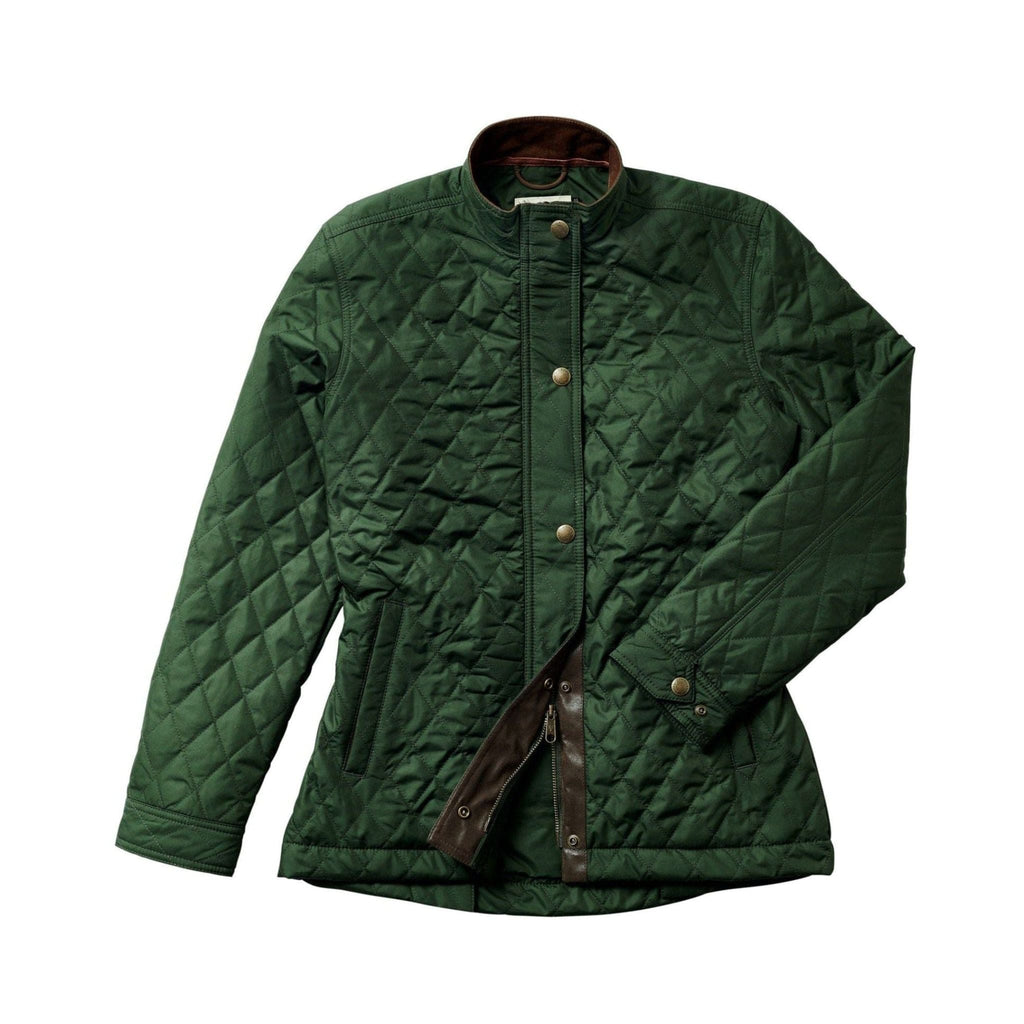
Oversized blazers are also making waves in the eco-friendly jacket scene for 2025. These relaxed-fit pieces draw from menswear inspirations but are tailored for women’s comfort, using sustainable wool blends or TENCEL™ lyocell for a soft, drape-like feel. Lightweight and layerable, they transition seamlessly from office settings to evening events. Many brands incorporate deadstock fabrics—leftover materials from previous productions—to create these blazers, cutting down on textile waste. This approach not only promotes resource efficiency but also adds unique patterns and textures, making each jacket feel special.

Cropped trenches represent a fresh take on a timeless classic, adapted for lightweight eco-friendly trends. In 2025, these jackets feature belted waists and adjustable sleeves, crafted from recycled nylon or organic cotton for durability and weather resistance. They’re perfect for spring and fall, offering protection without the heaviness of traditional coats. The trend emphasizes neutral colors like beige and olive, which complement various outfits while maintaining an earthy, sustainable vibe. Designers are focusing on inclusive sizing, ensuring these trenches fit a wide range of body types comfortably.
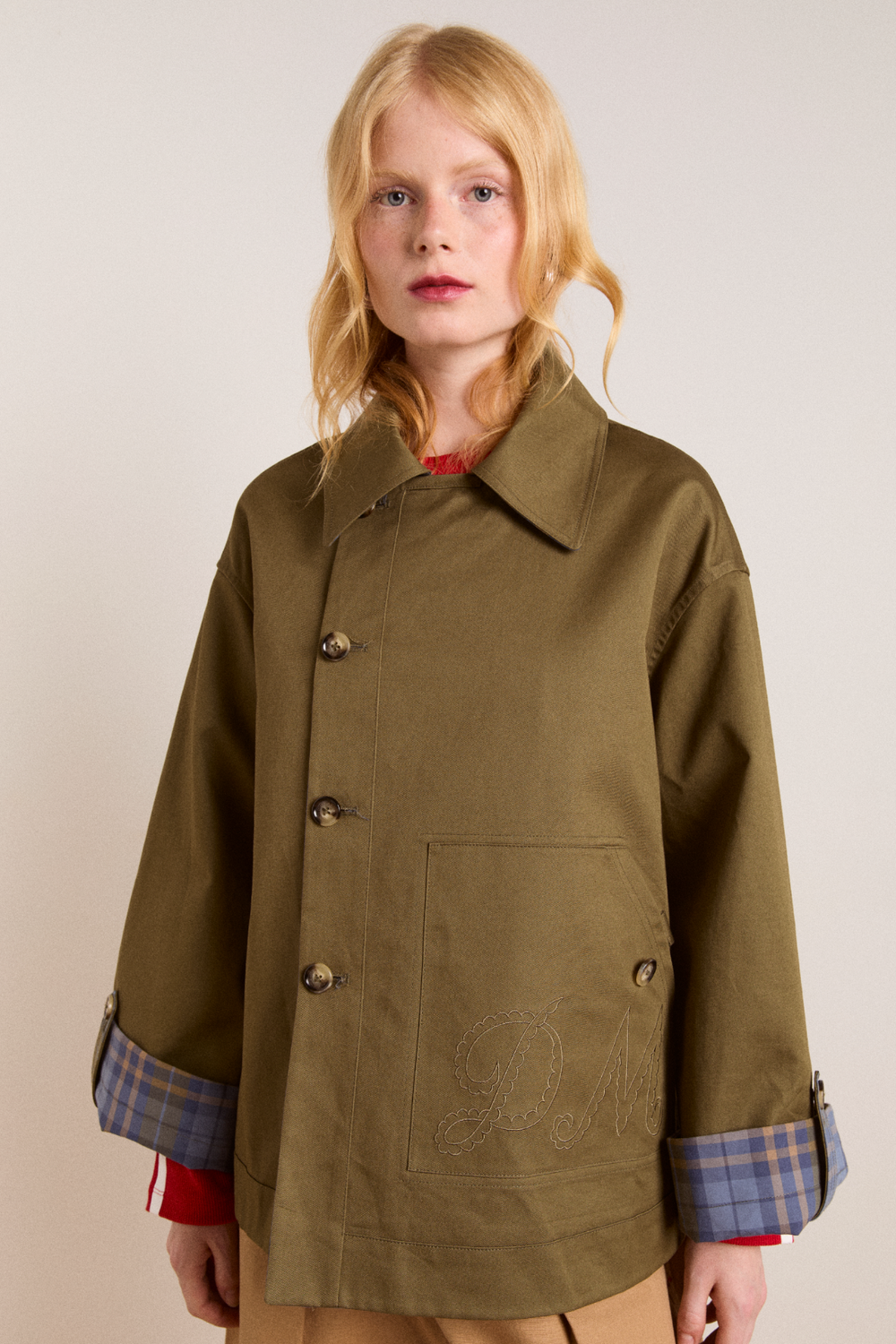
Bombers are surging in popularity among lightweight eco-friendly options, with their sporty aesthetic updated for sustainability. Made from recycled polyester or hemp blends, these jackets often include satin finishes for a touch of shine. Cropped bombers are especially trendy for 2025, providing a youthful, effortless layer over hoodies or tees. Features like ribbed cuffs and zippered pockets add practicality, while eco-certifications ensure ethical manufacturing. This style appeals to those balancing fashion with environmental responsibility, offering a nod to streetwear without excess material use.
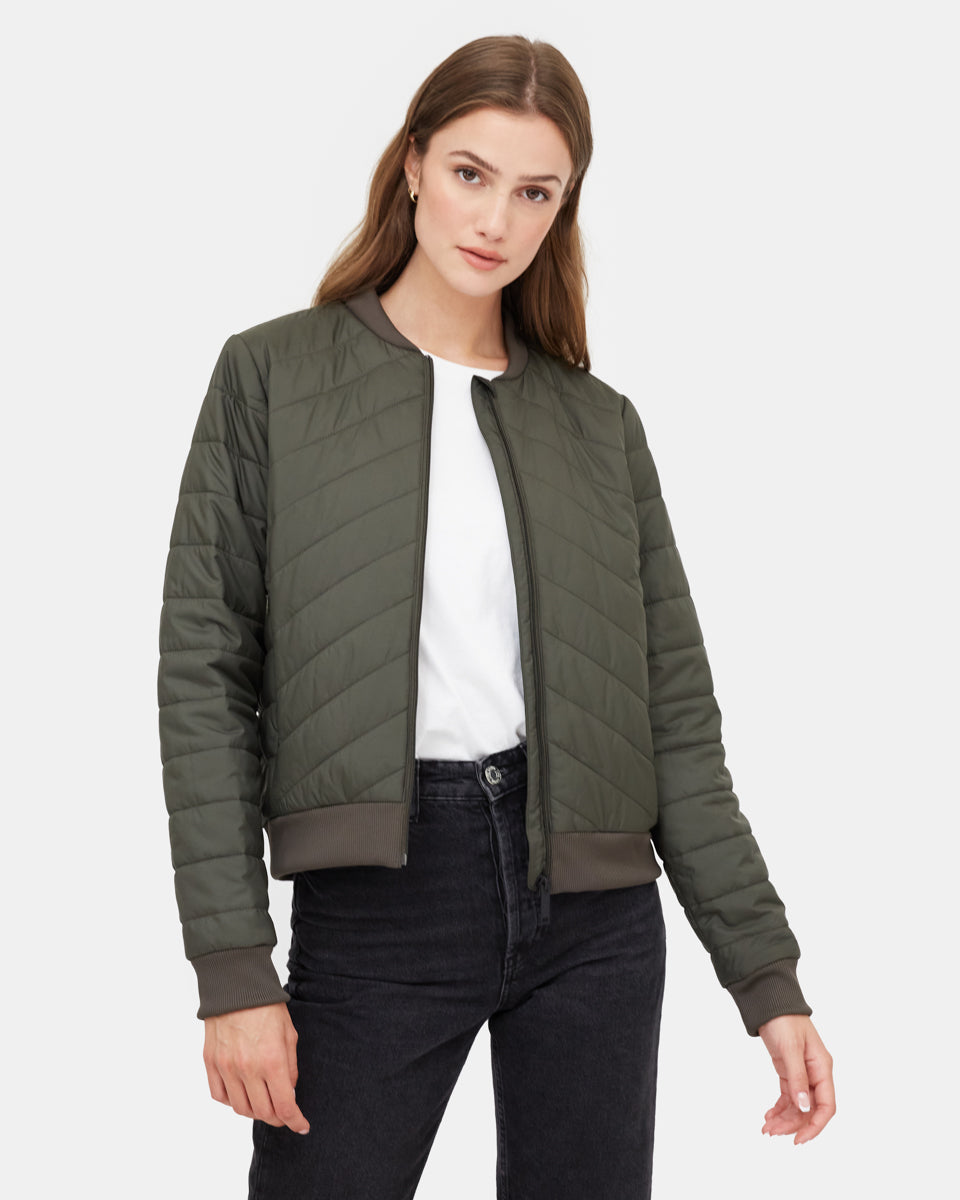
When exploring the best women’s eco-friendly jackets, Patagonia stands out with its Nano Puff Jacket. This lightweight piece uses 100% recycled polyester shell and PrimaLoft® Gold Insulation Eco, which is also recycled, providing exceptional warmth for its weight. It’s windproof, water-resistant, and packs into its own pocket, making it a favorite for hikers and urban explorers alike. Priced around $200-$250, it comes in sizes XXS to XXL, with colors ranging from classic black to vibrant hues. Patagonia’s commitment to Fair Trade certification and environmental donations adds trustworthiness, addressing concerns about corporate sustainability practices.
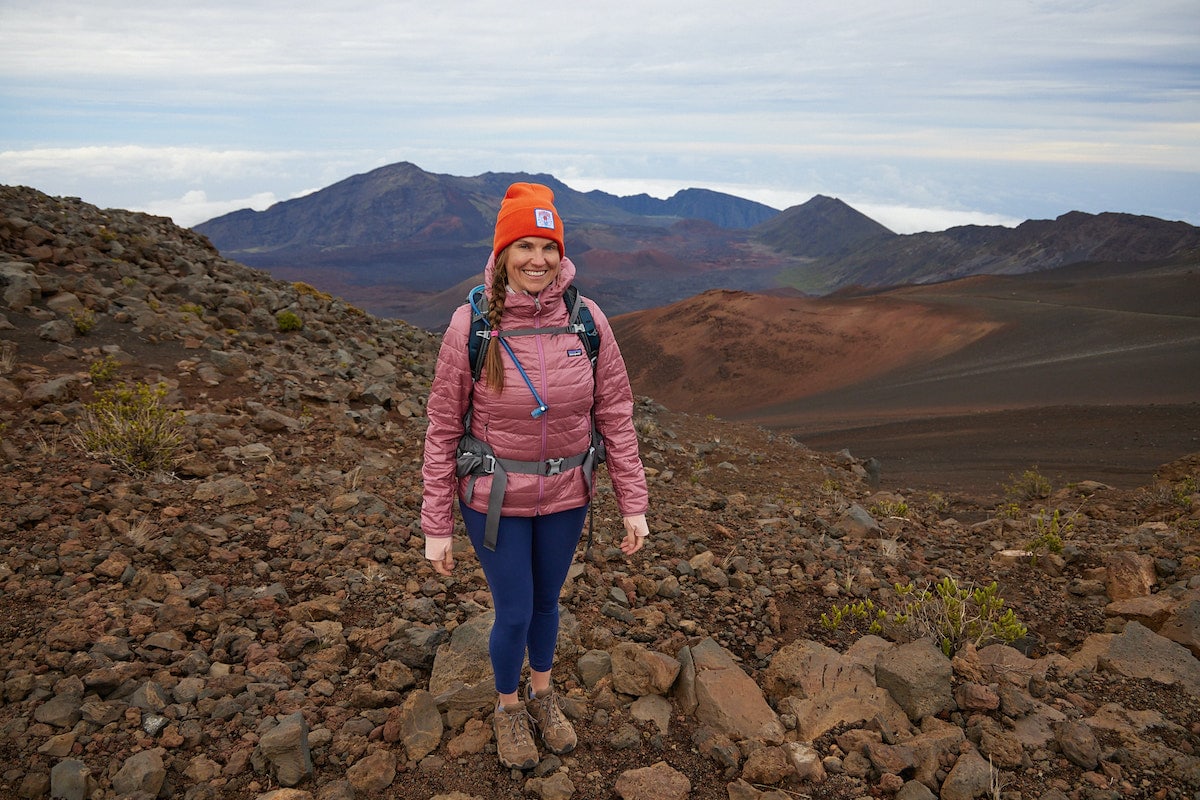
Tentree’s Cloud Shell Short Puffer is another top contender, crafted from 99% recycled materials including plastic bottles. This jacket features warm inner cuffs and adjustable hems for a customizable fit, ideal for three-season use. It’s lightweight yet insulating, perfect for cooler mornings or evenings. Starting at about $108, it’s available in XXS to XL, with eco-friendly packaging and a promise to plant 10 trees per purchase. This brand’s focus on climate neutrality and biodegradable elements makes it a strong choice for those prioritizing reforestation efforts.
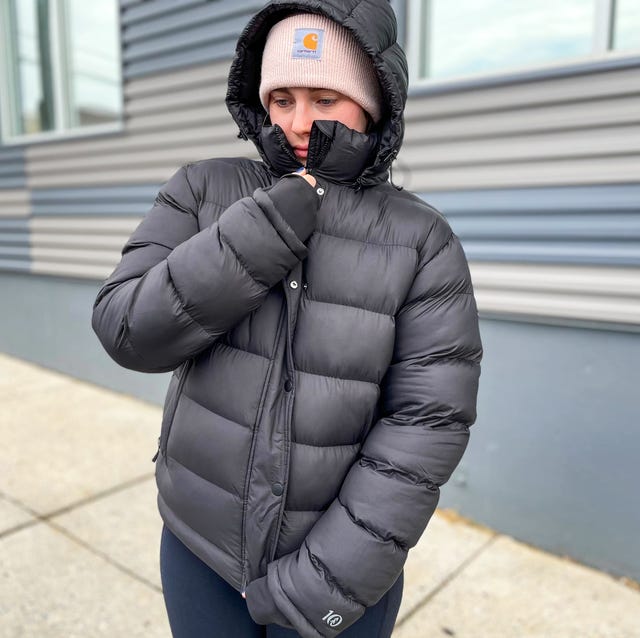
Reformation’s Lucas Coat, with its petite options, exemplifies luxurious eco-friendly design. Using sustainable fabrics like recycled wool or deadstock polyester, it’s lightweight and elegant, suitable for everyday wear. Features include tracked environmental impacts, showing water and waste savings. Priced from $118, sizes range from XXS to 3X, promoting inclusivity. Reformation’s carbon-neutral status and recycling programs highlight its role in reducing fashion’s environmental toll, though some note the need for more transparency in supply chains.

Quince’s Stretch Crepe Trench Coat offers a biodegradable leather alternative certified by the Leather Working Group. This lightweight jacket features sleek lines and adjustable elements, made from eco-friendly crepe for versatility. At $90+, it’s budget-friendly in XS to XL, with GOTS and OEKO-TEX® certifications ensuring no harmful substances. Quince’s emphasis on plastic-free packaging and timeless silhouettes encourages long-term use, countering fast fashion critiques.
Sézane’s trench and biker jackets use natural and recycled materials, with B Corp certification backing their ethical claims. Lightweight for layering, they start at $145 in XXS to 4XL. Hand embroidery and FSC-certified elements add artisanal touches, while give-back initiatives support community causes. This brand addresses size inclusivity debates by offering broad ranges, fostering empathy in fashion choices.
About MehruBlogs
From MehruBlogs, your art guide. Visit www.mehrublogs.com. Email: mehrublogs@gmail.com.
Follow:
- Facebook: https://www.facebook.com/MehruBlogs/
- Instagram: https://www.instagram.com/Mehrublogs.com_/
- Pinterest: https://www.pinterest.com/mehrublogs/