

Best Nutrition for Beginners 2025: How to Eat for Health & Energy
- Research suggests that starting with whole foods like fruits, vegetables, whole grains, and lean proteins can significantly boost health and energy levels for beginners.
- It seems likely that incorporating 2025 trends such as anti-inflammatory diets and high-protein ingredients will help sustain energy without crashes.
- Evidence leans toward balanced meals with complex carbs, healthy fats, and proteins, while acknowledging that individual needs may vary based on lifestyle and health conditions.
- Hydration and mindful eating are key, with experts recommending water, tea, and portion control to maintain vitality.
- While plant-based options are rising in popularity, including a mix of animal and plant proteins can cater to different preferences, promoting inclusivity in nutrition choices.
Understanding Nutrition Basics
If you’re new to nutrition in 2025, focus on the fundamentals. A healthy diet provides the fuel your body needs for daily activities. Start by aiming for a variety of colorful fruits and vegetables, which offer vitamins and minerals essential for energy. Whole grains like oats and quinoa provide sustained energy through complex carbohydrates. Proteins from sources such as eggs, fish, nuts, and beans help repair tissues and keep you full longer. Healthy fats from avocados and olive oil support brain health. Remember, balance is key— no single food is a miracle, but combining them thoughtfully can enhance overall well-being.
Top Foods for Energy
For sustained energy, choose foods rich in nutrients that release slowly. Oats are a great breakfast option, providing fiber to stabilize blood sugar. Bananas offer quick natural sugars with potassium for muscle function. Almonds and other nuts provide protein and fats for long-lasting fuel. Quinoa, a complete protein, is versatile for meals. Berries like blueberries add antioxidants to fight fatigue. These choices align with 2025 trends toward nutrient-dense, anti-inflammatory foods.
2025 Nutrition Trends
In 2025, nutrition emphasizes sustainability and healthspan. Anti-inflammatory diets featuring tea, tropical fruits, and dates are popular for reducing chronic issues. High-protein ingredients like canned fish and beans support muscle health. Incorporating these can make eating enjoyable and effective for beginners seeking health and energy.
Practical Tips for Beginners
Begin small: Swap processed snacks for fresh options. Plan meals weekly to include a protein, carb, and veggie. Stay hydrated with water or herbal teas. Listen to your body—eat when hungry, stop when full. These habits can lead to better health and more energy without overwhelming changes.


Embarking on a journey toward better nutrition in 2025 doesn’t have to be intimidating, especially for beginners looking to eat for health and energy. With the rise of sustainable and functional foods, this year offers exciting opportunities to fuel your body effectively. Whether you’re aiming to boost your daily vitality or prevent long-term health issues, understanding the best nutrition practices can make all the difference. This comprehensive guide draws from the latest trends and expert insights to help you navigate healthy eating with ease. We’ll explore everything from macronutrients to meal planning, incorporating high SEO keywords like “best nutrition for beginners 2025” and “how to eat for health and energy” to ensure you get practical, readable advice.
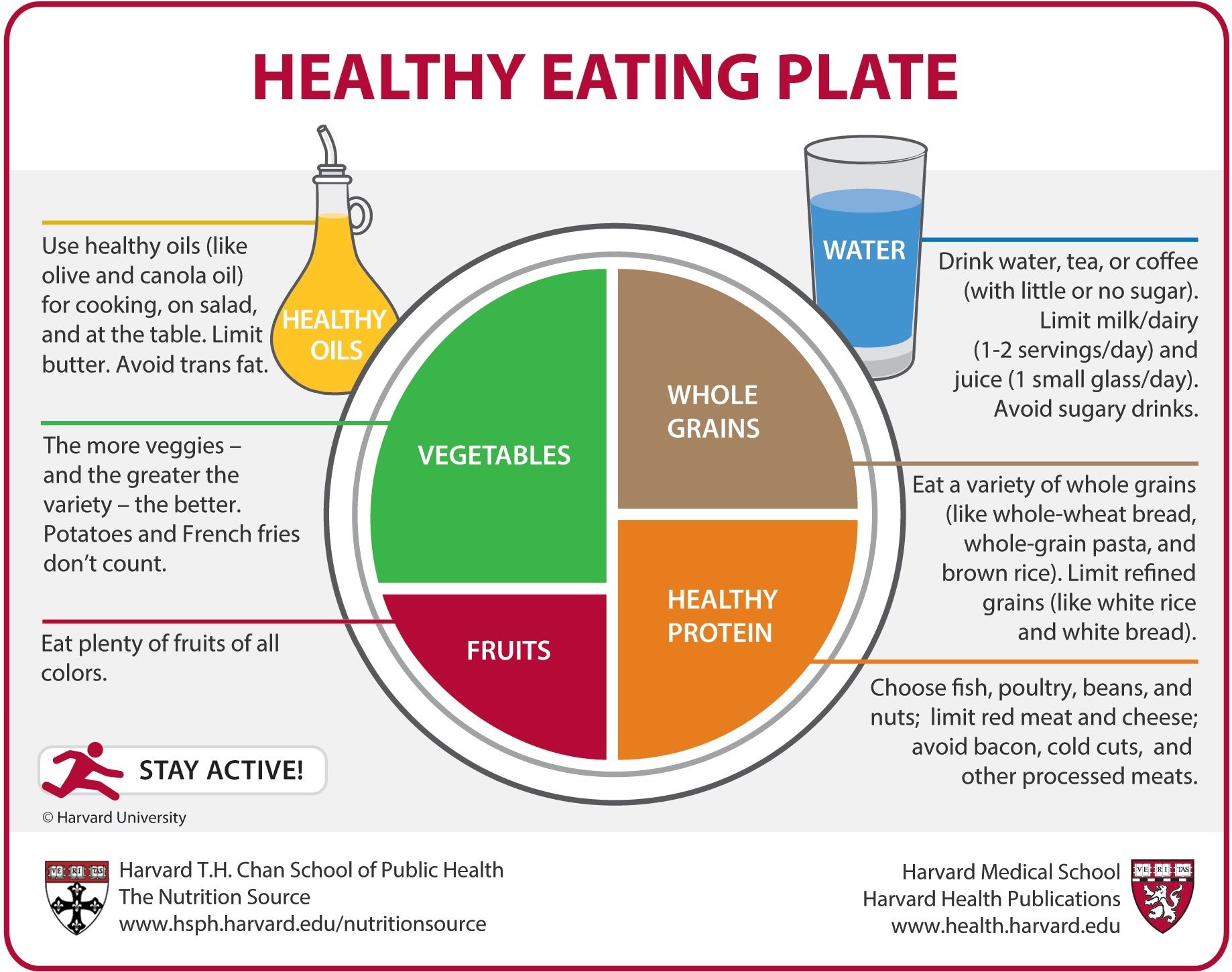
Nutrition fundamentals start with recognizing that food is fuel. For beginners, the best approach is to focus on whole, unprocessed foods that provide a mix of nutrients. In 2025, the emphasis is on anti-inflammatory diets, which include plenty of fruits, vegetables, and omega-3-rich foods to combat chronic inflammation that can sap energy. Think of your plate as a canvas: half filled with colorful veggies and fruits, a quarter with whole grains, and a quarter with proteins. This balanced method, inspired by the Mediterranean diet, promotes sustained energy without the crashes from sugary snacks. For instance, starting your day with oatmeal topped with berries and nuts can set a positive tone, providing fiber for digestion and antioxidants for cellular health.
Macronutrients are the building blocks of any diet. Carbohydrates, often misunderstood, are crucial for energy. Opt for complex carbs like oats, quinoa, and sweet potatoes, which release glucose slowly, keeping blood sugar stable. In 2025, whole grains are trending for their role in sustainable nutrition, offering not just energy but also gut health benefits through prebiotics.
Proteins repair tissues and support immune function; beginners should aim for 0.8 grams per kilogram of body weight daily. Sources like eggs, fish, beans, and nuts are ideal, with high-protein ingredients gaining popularity for their versatility in meals. Fats, the third macro, should come from healthy sources such as avocados, olive oil, and fatty fish, which provide essential fatty acids for brain health and inflammation reduction.
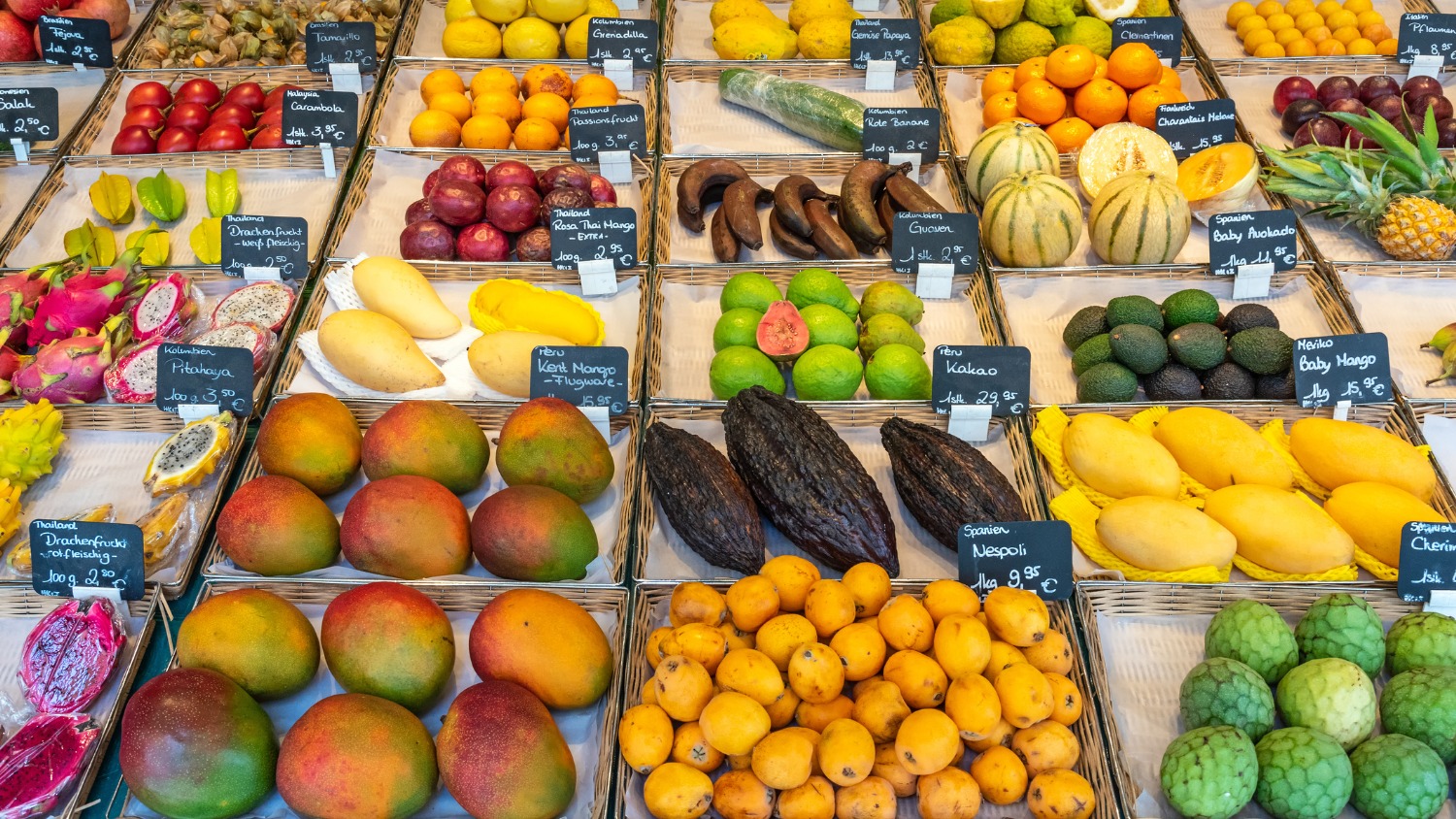
Micronutrients, though needed in smaller amounts, are vital for energy metabolism. Vitamins like B-complex (found in whole grains and leafy greens) help convert food into usable energy. Minerals such as iron from beans and magnesium from nuts prevent fatigue. In 2025, trends highlight tropical fruits like mangoes and papayas for their vitamin C content, boosting immunity and energy. Berries, another superstar, are packed with antioxidants that fight oxidative stress, a common energy drainer. Tea, especially green and herbal varieties, is a 2025 favorite for its polyphenols that support anti-inflammatory effects.
Building a balanced plate is straightforward for beginners. Use the “MyPlate” model: fill half with veggies and fruits, a quarter with grains, and a quarter with protein, adding dairy or alternatives on the side. For energy, include foods like bananas for potassium, which aids muscle function, or dates as natural sweeteners to replace added sugars. A sample breakfast could be Greek yogurt with berries and a sprinkle of chia seeds—high in protein and omega-3s. Lunch might feature a quinoa salad with mixed greens, chickpeas, and olive oil dressing. Dinner could include grilled fish with sweet potatoes and broccoli. Snacks like almonds or apple slices with peanut butter keep energy steady between meals.
Focusing on foods for energy is key in 2025. Complex carbs from whole grains provide lasting fuel, while proteins stabilize it. Top picks include oats for beta-glucan, which supports heart health; quinoa for complete protein; and beets for nitrates that enhance blood flow. Nuts and seeds offer magnesium for energy production, and eggs provide B vitamins. Avoid refined sugars that cause spikes and crashes; instead, use honey mustard or dates for flavor. Canned fish like salmon is convenient and rich in omega-3s, trending for its sustainability.
2025 nutrition trends emphasize healthspan—living longer with vitality. Anti-inflammatory diets top the list, featuring foods like tea, berries, and fatty fish to reduce chronic diseases. Tropical fruits are rising for their exotic flavors and nutrients, while beans provide plant-based protein. Functional mushrooms add immune support, and sustainable choices like locally sourced produce align with environmental concerns. High-protein trends cater to active lifestyles, with options like gourmet nuts enhancing meals.
Meal planning for beginners simplifies healthy eating. Start with a weekly menu: list groceries focusing on versatile items like eggs, oats, and veggies. Prep in advance—cook quinoa in batches or chop fruits for snacks. Aim for three meals and two snacks daily, spacing them to maintain energy. Use apps for recipes tailored to 2025 trends. A sample day: oatmeal breakfast, bean salad lunch, fish dinner, nut snacks.
Common mistakes include skipping meals, leading to energy dips, or over-relying on supplements instead of food. Beginners often ignore portion sizes—use hand measurements: fist for carbs, palm for protein. Hydration is crucial; aim for 8 glasses daily, more with activity. Tea counts toward this, offering anti-inflammatory benefits.
Hydration and supplements play supporting roles. Water transports nutrients, while tea provides antioxidants. In 2025, functional beverages like herbal teas are popular. Supplements like vitamin D or omega-3s may help if diet lacks, but consult a doctor. Focus on food first for natural energy.
| Food Category | Examples | Benefits for Health & Energy | 2025 Trend Relevance |
|---|---|---|---|
| Whole Grains | Oats, Quinoa, Brown Rice | Sustained energy from fiber, B vitamins for metabolism | High in sustainable nutrition, gut health support |
| Proteins | Eggs, Fish, Nuts, Beans | Muscle repair, satiety, steady blood sugar | High-protein ingredients popular for functional foods |
| Fruits | Berries, Tropical Fruits, Dates | Antioxidants, natural sugars, vitamins | Anti-inflammatory, replace added sugars |
| Vegetables | Leafy Greens, Broccoli, Beets | Minerals like iron, nitrates for blood flow | Cruciferous for detox, anti-inflammatory effects |
| Healthy Fats | Avocados, Olive Oil, Fatty Fish | Brain health, inflammation reduction | Omega-3s in trending canned fish |
| Beverages | Tea, Water | Hydration, polyphenols for energy | Tea as a top anti-inflammatory trend |
This table summarizes key foods, ensuring beginners can quickly reference choices. Expand your knowledge by experimenting with these in daily meals.
For instance, starting your day with oatmeal topped with berries and nuts can set a positive tone, providing fiber for digestion and antioxidants for cellular health. As you build habits, remember that consistency trumps perfection—small changes like swapping soda for water or adding a vegetable to each meal can lead to significant improvements over time.
Macronutrients are the building blocks of any diet. Carbohydrates, often misunderstood, are crucial for energy. Opt for complex carbs like oats, quinoa, and sweet potatoes, which release glucose slowly, keeping blood sugar stable.
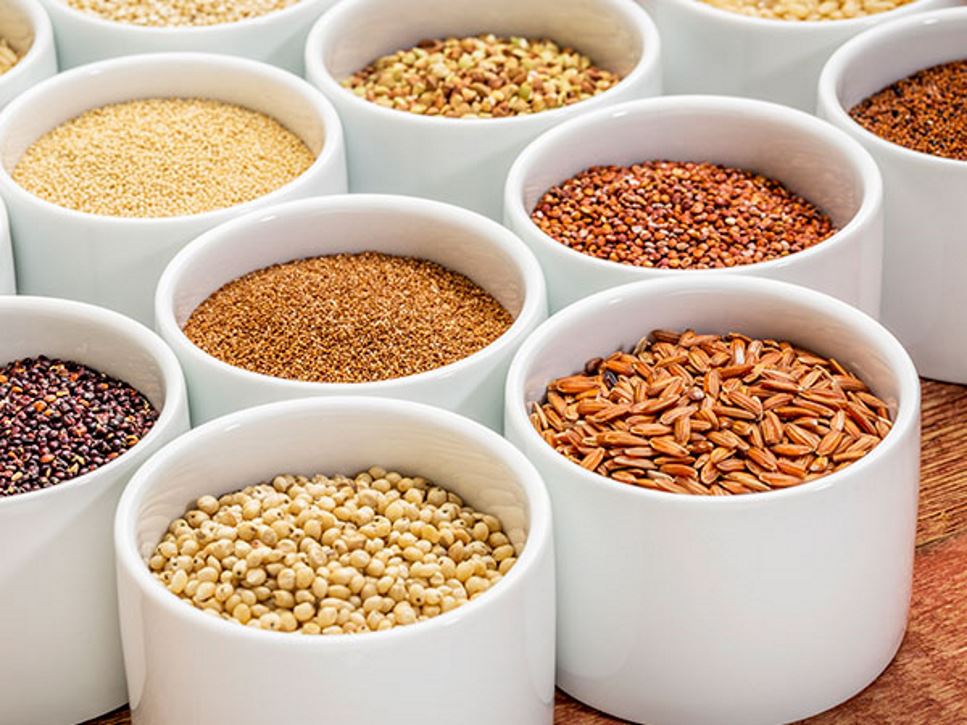
In 2025, whole grains are trending for their role in sustainable nutrition, offering not just energy but also gut health benefits through prebiotics. Proteins repair tissues and support immune function; beginners should aim for 0.8 grams per kilogram of body weight daily. Sources like eggs, fish, beans, and nuts are ideal, with high-protein ingredients gaining popularity for their versatility in meals.
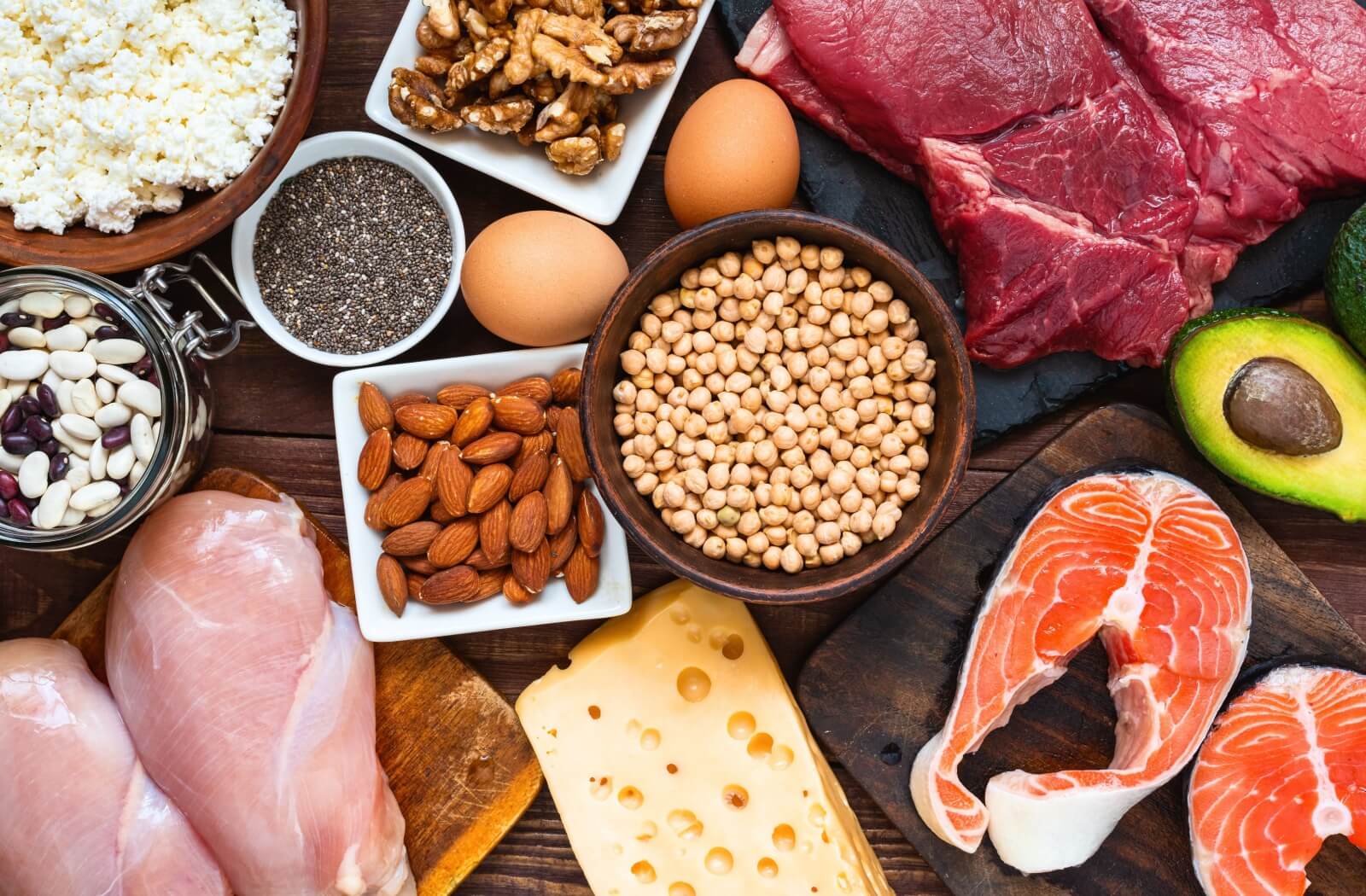
Fats, the third macro, should come from healthy sources such as avocados, olive oil, and fatty fish, which provide essential fatty acids for brain health and inflammation reduction. Balancing these macros ensures your body gets what it needs without excess, helping maintain energy levels throughout the day.
Micronutrients, though needed in smaller amounts, are vital for energy metabolism. Vitamins like B-complex (found in whole grains and leafy greens) help convert food into usable energy. Minerals such as iron from beans and magnesium from nuts prevent fatigue. In 2025, trends highlight tropical fruits like mangoes and papayas for their vitamin C content, boosting immunity and energy.
Meal planning for beginners simplifies healthy eating. Start with a weekly menu: list groceries focusing on versatile items like eggs, oats, and veggies. Prep in advance—cook quinoa in batches or chop fruits for snacks. Aim for three meals and two snacks daily, spacing them to maintain energy.
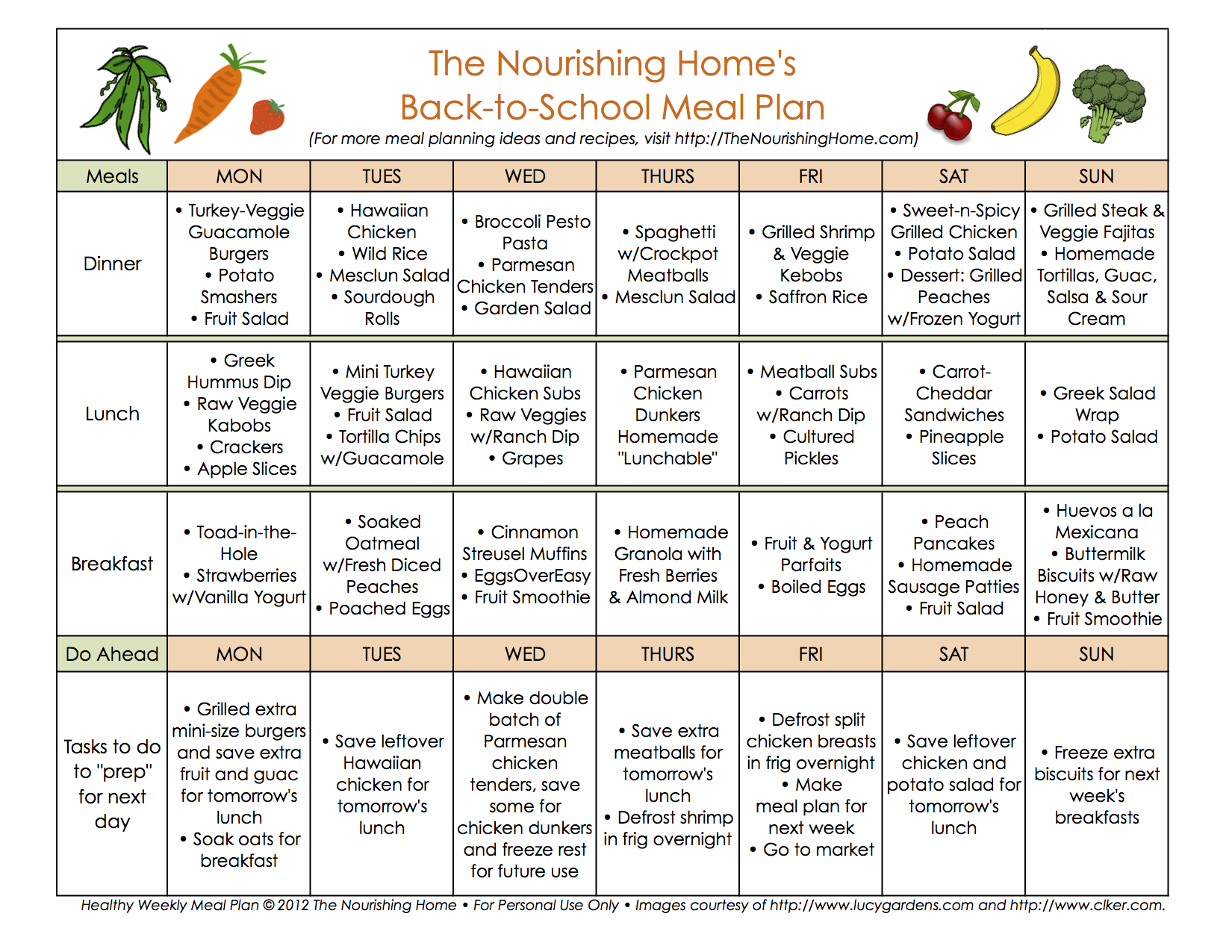
Use apps for recipes tailored to 2025 trends. A sample day: oatmeal breakfast, bean salad lunch, fish dinner, nut snacks. This habit reduces impulse buys and ensures balanced nutrition.
Common mistakes include skipping meals, leading to energy dips, or over-relying on supplements instead of food. Beginners often ignore portion sizes—use hand measurements: fist for carbs, palm for protein. Hydration is crucial; aim for 8 glasses daily, more with activity. Tea counts toward this, offering anti-inflammatory benefits.

Another pitfall is falling for myths, like all carbs are bad or fresh produce is always superior to frozen.
Educate yourself to avoid these and focus on evidence-based choices.
Hydration and supplements play supporting roles. Water transports nutrients, while tea provides antioxidants. In 2025, functional beverages like herbal teas are popular. Supplements like vitamin D or omega-3s may help if diet lacks, but consult a doctor. Focus on food first for natural energy.
In conclusion, the best nutrition for beginners in 2025 revolves around whole foods, balance, and trends like anti-inflammatory eating.
| Food Category | Examples | Benefits for Health & Energy | 2025 Trend Relevance |
|---|---|---|---|
| Whole Grains | Oats, Quinoa, Brown Rice | Sustained energy from fiber, B vitamins for metabolism | High in sustainable nutrition, gut health support |
| Proteins | Eggs, Fish, Nuts, Beans | Muscle repair, satiety, steady blood sugar | High-protein ingredients popular for functional foods |
| Fruits | Berries, Tropical Fruits, Dates | Antioxidants, natural sugars, vitamins | Anti-inflammatory, replace added sugars |
| Vegetables | Leafy Greens, Broccoli, Beets | Minerals like iron, nitrates for blood flow | Cruciferous for detox, anti-inflammatory effects |
| Healthy Fats | Avocados, Olive Oil, Fatty Fish | Brain health, inflammation reduction | Omega-3s in trending canned fish |
| Beverages | Tea, Water | Hydration, polyphenols for energy | Tea as a top anti-inflammatory trend |
This table summarizes key foods, ensuring beginners can quickly reference choices. Expand your knowledge by experimenting with these in daily meals.
About MehruBlogs
From MehruBlogs, your art guide. Visit www.mehrublogs.com. Email: mehrublogs@gmail.com.
Follow:
- Facebook: https://www.facebook.com/MehruBlogs/
- Instagram: https://www.instagram.com/Mehrublogs.com_/
- Pinterest: https://www.pinterest.com/mehrublogs/
Frequently Asked Questions (FAQs)
Q: What is a “healthy diet”? A: A healthy eating pattern provides essential nutrients from nutrient-dense foods, includes a variety of food groups, and balances calories consumed with those expended to maintain a healthy weight. It limits solid fats, sugar, salt, and alcohol. The Dietary Guidelines for Americans recommend starting simple with MyPlate for reduced chronic disease risk.
Q: How many servings from each food group do I need each day? A: Servings depend on your calorie needs. Use the MyPlate Plan to determine your requirements based on age, sex, height, weight, and activity level.
Q: Is there a high blood pressure diet? A: Yes, focus on nutrition tips like the DASH diet, which emphasizes fruits, vegetables, whole grains, and low-fat dairy while reducing salt. Resources include CDC and NIH guides.
Q: Do I need a vitamin or mineral supplement? A: Meet needs through food first, but supplements may help during pregnancy or with medical conditions. Consult a doctor before starting.
Q: Myth: Carbs make you gain weight. A: Weight gain comes from excess calories, not carbs specifically. High-fiber carbs promote satiety and health; aim for 45-60% of calories from carbs with at least 25g fiber daily.
Q: Myth: All ultra-processed foods are bad for you. A: Not all; evaluate by labels for fat, sugar, salt. Some processed foods like whole grain bread are neutral or beneficial.
Q: Myth: Fresh fruit & veg is better than frozen. A: Frozen retains nutrients if processed quickly; all forms count toward daily intake.
Q: Myth: You need to eat meat to get enough protein. A: Plant sources like beans, nuts, and grains provide complete proteins when combined.
Q: Is coffee good for healthy aging? A: Research suggests midlife coffee consumption may support healthy aging by reducing risks of chronic diseases.
Q: Is alcohol ever healthy? A: No safe level; all types increase risks for cancer and heart disease.
Q: How can I eat healthy on a budget? A: Shop sales, use frozen produce, plan meals, and buy in bulk. Apps like Shop Simple with MyPlate help.
Q: What foods cause gas and bloating? A: Causes vary; common ones include carbonated drinks, sugar alcohols, or digestive disorders. Consult a doctor if persistent.
Q: Is intermittent fasting the best for weight loss? A: It’s effective due to calorie reduction, but not superior to other diets; sustainability matters.
Q: Should I avoid gluten? A: Only if diagnosed with celiac or sensitivity; gluten-containing grains may reduce disease risks.
Q: How much protein do I need? A: About 0.8g per kg body weight; sources include both animal and plant-based foods.