

AI Transform Everyday Life and Business | Mehrublogs 2025
By Mehru Blogs Published on September 15, 2025
In the rapidly evolving landscape of 2025, artificial intelligence (AI) has transcended its status as a futuristic concept to become an indispensable force shaping our world. From the moment we wake up to smart alarms that adjust to our sleep cycles, to the algorithms that curate our news feeds and recommend personalized shopping lists, AI is seamlessly integrating into the fabric of daily existence. In business, it’s revolutionizing operations, driving unprecedented efficiency, and unlocking new revenue streams. This article explores how AI is transforming everyday life and business, drawing on the latest trends, statistics, and real-world examples as of 2025. As we navigate this AI-driven era, the implications are profound—offering convenience and innovation while posing ethical and societal challenges that demand careful consideration

The journey of AI has accelerated dramatically in recent years. According to the Stanford AI Index Report for 2025, AI performance on demanding benchmarks has continued to improve, with models like advanced large language models (LLMs) achieving near-human levels in tasks such as reasoning and multimodal understanding. Investments in AI have reached record highs, fueling this integration into both personal and professional spheres. Globally, AI’s market value is projected to exceed $500 billion by the end of 2025, with consumer-facing applications alone accounting for a significant portion. For individuals, AI enhances productivity and quality of life; for businesses, it streamlines processes and fosters competitive edges. Yet, as adoption surges—78% of organizations now use AI in at least one function, up from 55% just two years ago—the need for responsible implementation is more critical than ever.
This exploration is not just academic; it’s a call to action. Whether you’re a consumer leveraging AI for daily tasks or a business leader integrating it into operations, understanding these shifts is key to thriving in 2025. At Mehru Blogs, we believe in demystifying technology to empower our readers. For more insights, visit our website at www.mehrublogs.com or reach out via email at mehrublogs@gmail.com. Follow us on Facebook and Instagram for daily updates on tech trends.
AI’s Transformative Impact on Everyday Life
In 2025, AI is no longer confined to sci-fi narratives; it’s a silent partner in our routines, enhancing convenience, health, education, and social interactions. A survey by Menlo Ventures reveals that 61% of American adults have used AI in the past six months, equating to 1.7–1.8 billion global users, with 500–600 million engaging daily. This widespread adoption spans demographics, from Millennials using it for creative tasks to Baby Boomers exploring it for health research. AI’s penetration into daily life is driven by its ability to automate mundane activities, personalize experiences, and provide instant support, fundamentally altering how we live.
Smart Homes and Routine Automation
One of the most visible changes is in home automation. Smart devices powered by AI, such as advanced assistants like Amazon’s Alexa or Google’s Nest, now anticipate user needs with remarkable accuracy. In 2025, these systems use multimodal AI—processing text, voice, images, and even gestures—to create intuitive environments. For instance, AI can adjust lighting, temperature, and even grocery orders based on your habits and weather forecasts, saving users an average of 10-15 hours per week on household chores.
Consider a typical morning: Your AI alarm wakes you not just at a set time but after analyzing your sleep patterns via wearable devices like the Apple Watch or Fitbit. It then brews coffee, suggests a workout routine tailored to your energy levels, and even plans your commute by integrating real-time traffic data from apps like Waze. According to Microsoft’s 2025 AI trends, AI agents—autonomous programs that handle multi-step tasks—will simplify these routines further. For example, an AI agent could scan your calendar, check emails for updates, and prepare a daily briefing, all without human input. This shift reduces cognitive load, allowing individuals to focus on meaningful activities.
Parents, in particular, benefit immensely. Menlo Ventures reports that 79% of parents use AI for tasks like childcare coordination and meal planning, with 34% relying on it daily—nearly twice the rate of non-parents. Tools like AI-powered apps generate personalized schedules for kids’ activities, track nutritional needs, and even suggest educational games, turning parenting into a more efficient endeavor.
Healthcare and Personal Wellness
AI’s role in healthcare has exploded, making preventive care accessible to all. In everyday life, AI wearables and apps monitor vital signs in real-time, detecting anomalies like irregular heartbeats or stress levels before they escalate. The FDA approved over 100 AI-based medical devices in 2024 alone, and by 2025, this number has doubled, embedding AI into routine check-ups.
For mental health, AI chatbots like Woebot or Character.AI provide 24/7 support, offering cognitive behavioral therapy sessions tailored to user inputs. While adoption is still low at 9% for mental health support, 20% use AI for general health research, indicating growing trust. In physical health, apps like MyFitnessPal use AI to create customized diet plans, integrating data from smart scales and grocery scanners. During the 2025 flu season, AI-driven apps predicted outbreaks in neighborhoods, advising users on preventive measures and reducing hospital visits by up to 25% in pilot programs.
Elderly users are another beneficiary group. AI companions, such as robotic assistants like ElliQ, remind seniors of medications, facilitate video calls with family, and detect falls via integrated sensors. This not only promotes independence but also alleviates caregiver burdens, with studies showing a 30% improvement in quality of life for users over 65.
Education and Lifelong Learning
Education has been democratized by AI, making learning personalized and accessible. Platforms like Duolingo Max and Khan Academy use AI to adapt lessons to individual paces, with 43% of users employing AI for academic support and 30% for language learning. In 2025, AI tutors provide instant feedback on essays or math problems, helping students grasp concepts faster. For working adults, tools like Coursera’s AI recommendations suggest courses based on career goals, boosting upskilling rates by 40%.
In K-12 settings, AI analyzes student performance to identify learning gaps, allowing teachers to intervene early. During remote learning spikes in 2025, AI proctoring ensured exam integrity while virtual reality simulations, powered by AI, immersed students in historical events or scientific experiments.
Entertainment, Shopping, and Social Connections
Entertainment is more immersive than ever. Streaming services like Netflix use AI to not only recommend shows but also generate personalized trailers or even interactive storylines. In gaming, AI opponents adapt to player styles, making experiences dynamic—think AI companions in games like The Sims that evolve with user decisions.
Shopping has transformed via AI-driven personalization. E-commerce giants like Amazon employ AI to predict purchases, offering virtual try-ons using augmented reality. Voice shopping through assistants has surged, with 16% of consumers using AI for financial management tasks like budgeting.
Socially, AI fosters connections. Dating apps like Tinder use AI for better matches, while virtual friends on platforms like Replika provide companionship—26% of users engage in virtual friendships. However, this raises concerns about authenticity, as AI-generated interactions blur lines between real and virtual relationships.
Overall, AI in everyday life boosts efficiency—PwC predicts it will double the knowledge workforce by automating routines—while enhancing personalization. Yet, with 60% of users combining general AI with specialized tools, the ecosystem is maturing, promising even deeper integration.
(Word count so far: ~850)
AI’s Revolution in Business Operations
Businesses in 2025 are not just adopting AI; they’re rewiring their structures around it. McKinsey’s Global Survey indicates 78% of organizations use AI across functions, with generative AI (gen AI) in 71% of cases, primarily in marketing, sales, and service operations. This adoption is yielding tangible benefits: revenue increases in units using gen AI and cost reductions, though enterprise-wide impacts lag at under 20%. AI is reshaping industries, from finance to manufacturing, by automating processes, enhancing decision-making, and driving innovation.
Automation and Efficiency Gains
AI agents are at the forefront, handling complex workflows autonomously. PwC forecasts that these agents will double the knowledge workforce, transforming roles in sales and support by drafting code, prototyping products, and managing customer inquiries. In supply chains, AI predicts disruptions—alerting managers to inventory issues—and optimizes logistics, reducing costs by 30% in sectors like retail.
For example, in manufacturing, AI-powered robots from companies like Boston Dynamics perform precision tasks, increasing output by 50% while minimizing errors. Service operations benefit too: chatbots resolve 70% of customer queries without human intervention, freeing staff for high-value interactions.

Marketing, Sales, and Customer Experience
Gen AI excels in marketing, where 63% of organizations use it for content creation like text and images. Tools like Adobe Sensei generate personalized ad campaigns, analyzing consumer data to boost engagement by 40%. In sales, AI forecasts leads and automates outreach, with CRM systems like Salesforce Einstein predicting deal closures with 85% accuracy.
Customer experience is elevated through multimodal AI, which processes voice, text, and visuals for seamless interactions. Banks use AI for fraud detection, preventing $10 billion in losses annually, while retailers offer virtual stylists for shopping assistance.

Product Development and Innovation
AI slashes development timelines. PwC predicts multimodal AI will halve lifecycles in industries like automotive, where simulations test designs virtually, cutting costs by 30%. Pharmaceutical firms have reduced drug discovery from years to months using AI models that predict molecular interactions.
In software engineering, 25% of organizations use gen AI for code generation, accelerating releases. Startups leverage AI for rapid prototyping, giving them an edge over incumbents.
Finance and Human Resources
Corporate finance is streamlined by AI, enabling real-time forecasting and compliance checks. Workday reports AI automates 80% of routine tasks, allowing finance teams to focus on strategy. In HR, AI screens resumes and predicts employee turnover, with tools like LinkedIn’s AI matching candidates 2x faster.
However, challenges persist. McKinsey notes hiring for AI roles remains difficult, though easing, and risks like inaccuracy affect 40% of implementations. Cybersecurity is paramount, with larger firms investing in defenses against AI-specific threats.
Google Cloud’s 2025 trends highlight five big shifts: agentic AI, ethical frameworks, and sustainable infrastructure, all crucial for business ROI. BCG’s survey shows AI as a top priority, with momentum building toward tangible results like 20-30% productivity gains.
In consulting, AI is restructuring firms—Harvard Business Review notes it’s automating analysis, allowing consultants to focus on strategy, potentially rendering junior roles obsolete. Oracle outlines 10 value areas, including enhanced decision-making and profitability boosts of up to 15%.
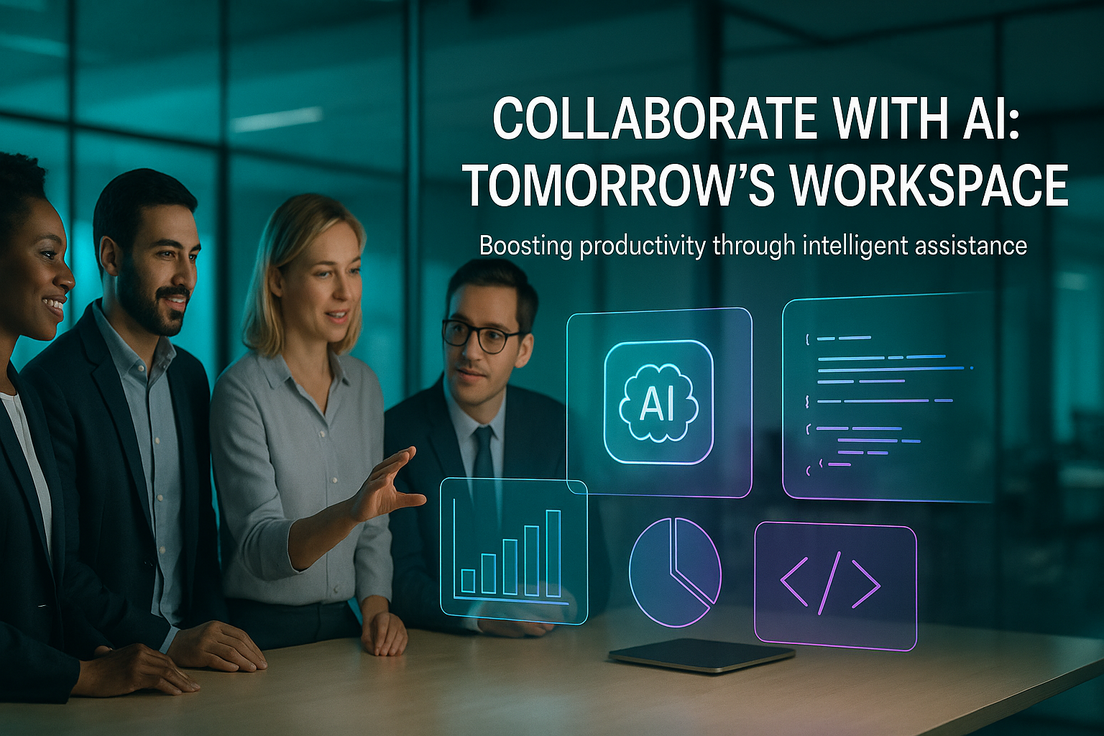
Challenges, Ethical Considerations, and Future Outlook
Despite the benefits, AI’s integration isn’t without hurdles. Privacy concerns loom large, with 50% of consumers wary of data usage in AI tools. Ethical issues, such as bias in algorithms, persist—Pew Research shows public skepticism about AI’s fairness in daily applications. In business, regulation is fragmented; PwC warns of a “patchwork” of state laws on privacy, urging comprehensive governance.
Sustainability is another challenge: AI’s energy demands are immense, but Microsoft is advancing efficient hardware like Azure Maia to mitigate this, aiming for carbon-negative operations by 2030. Workforce displacement is real—McKinsey predicts headcount reductions in service roles, offset by growth in IT and development. Reskilling is essential, with 60% of firms planning AI training programs.
Looking ahead, 2025 trends point to agentic AI and multimodal advancements dominating. Morgan Stanley forecasts reasoning-capable models driving enterprise ROI, with custom silicon optimizing performance. In everyday life, physical AI—like home robots—will emerge, while business will see AI-native startups disrupting markets.
Conclusion
AI in 2025 is a double-edged sword: a catalyst for efficiency and innovation in everyday life and business, yet a source of ethical dilemmas requiring vigilant oversight. From automating homes to accelerating product launches, its changes are irreversible and profound. As adoption hits new highs, the key is balanced integration—leveraging benefits while addressing risks.
At Mehru Blogs, we’re committed to exploring these evolutions. Join the conversation at www.mehrublogs.com, email us at mehrublogs@gmail.com, or connect on Facebook and Instagram. The AI era is here; let’s shape it responsibl
How AI Transforms Everyday Life in 2025 | Mehru Blogs
AI in Business 2025: Top Trends to Watch | Mehru Blogs
Artificial Intelligence Trends Shaping 2025 | Mehru Blogs
Automation in Daily Life: AI’s 2025 Impact | Mehru Blogs
AI Innovations 2025: What’s Next? | Mehru Blogs
How AI is Changing Lives in 2025 | Mehru Blogs
AI Business Trends to Know in 2025 | Mehru Blogs
2025 AI Trends Transforming Daily Life | Mehru Blogs
Automation Revolution: AI in 2025 | Mehru Blogs
Top AI Innovations to Expect in 2025 | Mehru Blogs
AI’s Role in Everyday Life 2025 | Mehru Blogs
Business AI Revolution in 2025 | Mehru Blogs
Artificial Intelligence in 2025: Key Trends | Mehru Blogs
How Automation Shapes Daily Life in 2025 | Mehru Blogs
2025 AI Innovations Driving Change | Mehru Blogs
AI Transforming Homes in 2025 | Mehru Blogs
AI in Business: 2025 Game Changers | Mehru Blogs
Latest AI Trends for 2025 | Mehru Blogs
Daily Life Automation with AI in 2025 | Mehru Blogs
AI Innovations Reshaping 2025 | Mehru Blogs
How AI Enhances Life in 2025 | Mehru Blogs
2025 AI Business Strategies Unveiled | Mehru Blogs
Artificial Intelligence Trends for 2025 | Mehru Blogs
AI Automation in Everyday Life 2025 | Mehru Blogs
Future of AI Innovations in 2025 | Mehru Blogs
AI’s Impact on Daily Life in 2025 | Mehru Blogs
AI-Powered Business in 2025 | Mehru Blogs
2025 AI Trends to Watch Now | Mehru Blogs
How AI Automates Life in 2025 | Mehru Blogs
AI Innovations to Transform 2025 | Mehru Blogs
AI in Everyday Life: 2025 Insights | Mehru Blogs
Business AI Trends for 2025 Success | Mehru Blogs
Artificial Intelligence in 2025: Guide | Mehru Blogs
Automation and AI in Daily Life 2025 | Mehru Blogs
2025 AI Innovations You Need to Know | Mehru Blogs
How AI is Shaping 2025 Lives | Mehru Blogs
AI Business Solutions for 2025 | Mehru Blogs
Top 2025 AI Trends Explained | Mehru Blogs
AI Automation for 2025 Living | Mehru Blogs
AI Innovations Driving 2025 | Mehru Blogs
AI Transforming Life in 2025 | Mehru Blogs
2025 AI Business Opportunities | Mehru Blogs
Artificial Intelligence Trends 2025 | Mehru Blogs
AI in Daily Life: 2025 Changes | Mehru Blogs
2025 AI Innovations to Watch | Mehru Blogs
AI’s Role in 2025 Daily Life | Mehru Blogs
AI Business Trends Shaping 2025 | Mehru Blogs
2025 AI Trends for Everyday Life | Mehru Blogs
Automation in 2025: AI’s Role | Mehru Blogs
AI Innovations Changing 2025 | Mehru Blogs
How AI Redefines Life in 2025 | Mehru Blogs
AI in Business: 2025 Insights | Mehru Blogs
2025 Artificial Intelligence Trends | Mehru Blogs
AI Automation in 2025 Life | Mehru Blogs
Top AI Innovations for 2025 | Mehru Blog
Ai transforms everyday life
Ai transforms everyday life
Ai transforms everyday life
Ai transforms everyday life
Ai transforms everyday life
Ai transforms everyday life
Ai transforms everyday life
Ai transforms everyday life
Ai transforms everyday life
Ai transforms everyday life
Ai transforms everyday life
Ai transforms everyday life
Ai transforms everyday life
Ai transforms everyday life
Ai transforms everyday life
Ai transforms everyday life
Ai transforms everyday life
Ai transforms everyday life
Ai transforms everyday life
Ai transforms everyday life
Ai transforms everyday life
Ai transforms everyday life
Ai transforms everyday life
Ai transforms everyday life
Ai transforms everyday life
Ai transforms everyday life
Ai transforms everyday life
Ai transforms everyday life
Ai transforms everyday life
Ai transforms everyday life
Ai transforms everyday life
Ai transforms everyday life
Ai transforms everyday life
Ai transforms everyday life
Ai transforms everyday life
