

In the 21st century, the rise of artificial intelligence (AI) stands among the most transformative phenomena humanity has ever encountered. From early rule-based automation to deep learning systems that rival human performance in specific tasks, AI is progressing rapidly. As we look ahead, it is becoming increasingly clear that the future of humans will be intertwined with the future of AI — in profound ways. In this article we explore what AI is, how it is evolving, what opportunities and challenges it presents, and how humans can navigate that future thoughtfully, ethically and proactively.
What is Artificial Intelligence?
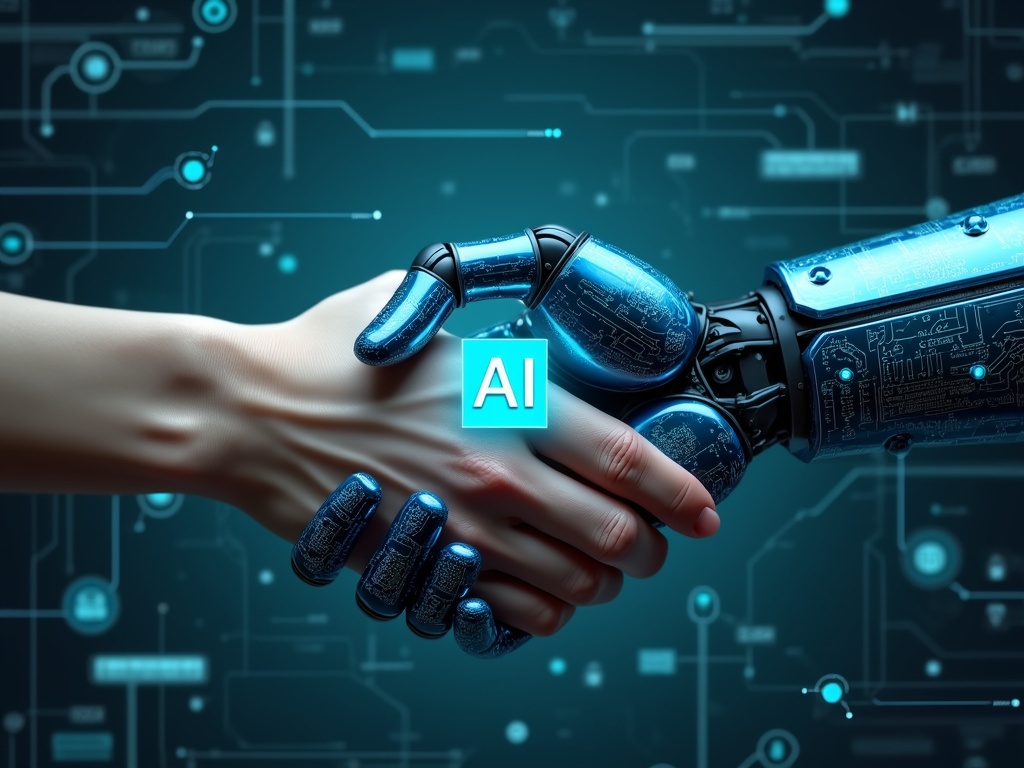
At its core, artificial intelligence refers to systems or machines that mimic cognitive functions we associate with the human mind — such as learning, reasoning, problem-solving, perception, and language understanding. Early AI research focused on logic, rules and symbolic reasoning. Over time the field evolved into statistical methods, machine learning, and ultimately deep neural networks able to process enormous data and detect patterns far beyond human scale.
The term “AI” covers a wide spectrum: from narrow (or weak) AI — systems designed to perform a specific task (for example, speech recognition, image classification, recommendation engines) — to the long-term goal of general (or strong) AI: a system capable of human-level general intelligence across domains. While true strong AI remains speculative, the real advances in narrow AI are already reshaping many aspects of society.
How AI is Evolving: Milestones & Trends
Data, computing power and algorithms
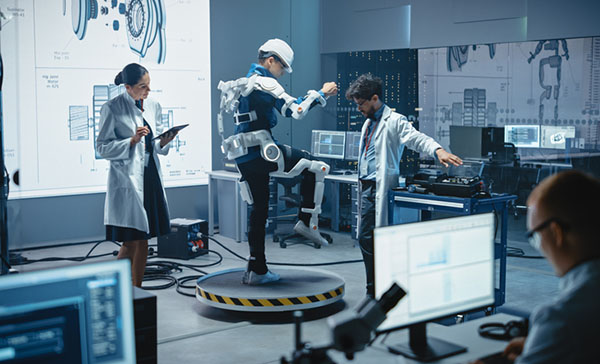
One of the primary enablers of modern AI has been the explosion of data, growth of computing capabilities (especially GPUs and TPUs) and improvements in algorithms (notably deep learning, reinforcement learning, transformer architectures). These advances have enabled tasks once considered impossible for machines: natural language processing, high-quality image generation, multimodal understanding (vision + text), autonomous vehicles, complex games and optimisation.
From rules to learning
Earlier systems were built on explicit rules. Today, many AI systems are built to learn from data. They detect patterns, build representations and generalize in ways that often surprise their designers. This shift from rule-based systems to learning systems is a paradigm change: instead of programming behavior, we train models.
Broadening domains
Initially, AI successes were isolated (chess, Go, narrow image recognition). But now we see AI entering domains like medicine (diagnosis, drug-discovery), finance (algorithmic trading, fraud detection), logistics (route optimization), customer service (chatbots) and creative fields (music, art, content generation). Each domain brings its own challenges and opportunities.
Interaction with humans and society
AI systems increasingly interact with humans — voice assistants, recommendation systems, autonomous vehicles, and more. These interactions raise questions about trust, transparency, fairness and the broader social impact of deploying AI at scale.
Why the Future of Humans is Tied to AI
Productivity and economic growth
AI has the potential to significantly boost productivity across sectors. Automating routine tasks frees humans to focus on higher-value, creative, complex work. McKinsey, among others, estimate substantial gains in global GDP driven by AI. The economy of the future may be fundamentally different because AI can act as a kind of general-purpose “productivity-machine”.
New jobs, transformed jobs & displaced jobs
With automation comes change. Some jobs will be displaced — especially those involving repetitive or predictable tasks. But new jobs will emerge — those that design, maintain, train, audit, interpret, and collaborate with AI systems. Some human work will be transformed rather than lost: roles will shift to oversight, creative interpretation, strategy and empathetic human–machine teaming. The challenge will be in how society manages this transition so that the benefits are broadly shared.
Decision-making and augmentation
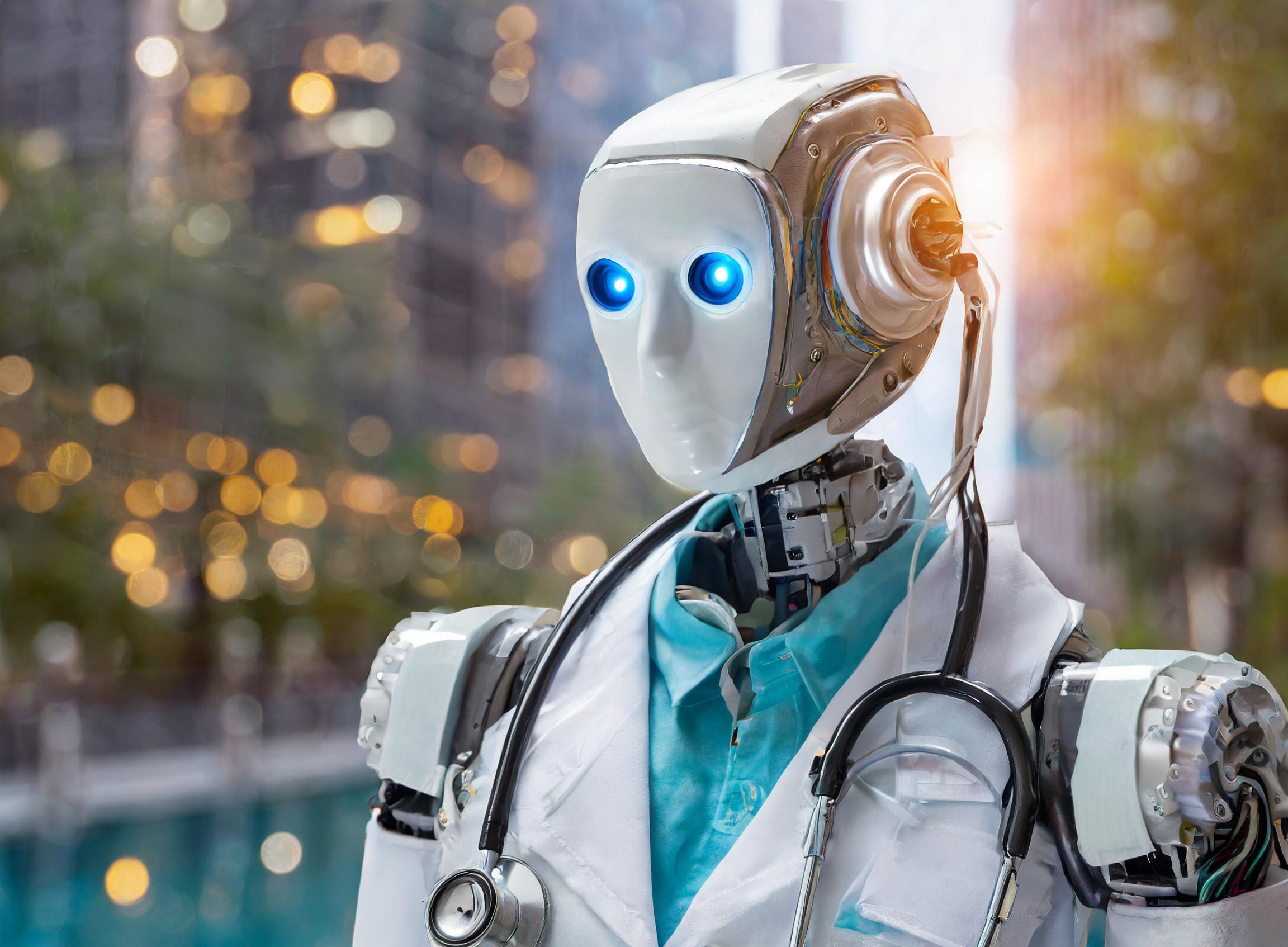
Rather than replacing humans, AI can augment human decision-making. For example, in healthcare, AI can support diagnosis and treatment planning but the human clinician remains essential for oversight, empathy, judgment. In the legal domain, AI can sift huge volumes of case law but a human lawyer still negotiates, advises, and applies ethical considerations. In future, humans may increasingly partner with AI — not as adversaries, but as collaborators.
Changing human experience
AI is changing how we live: personalized services, smart homes and cities, automated transport, augmented reality experiences, and more. The human experience of work, consumption, leisure and communication may shift radically. As AI takes over more background tasks, humans could enjoy more free time, or be expected to adopt continuous learning and adaptation. The way we define purpose, identity and value in human life may evolve.
Ethical, social and existential risks
Because AI is powerful, the stakes are high. Issues of privacy, bias, discrimination, transparency, accountability, security, and control become critical. There is also the long-term question of existential risk: if AI systems become vastly more capable than humans, how do we ensure alignment of their goals with human values? These considerations mean that the future of humans is not just about technological improvement, but about moral, social and governance frameworks.
Key Domains Where AI Will Shape the Future
Healthcare
The healthcare sector stands to be revolutionised by AI. Applications include diagnostic assistance (e.g., analysing medical imagery), predictive analytics (forecasting disease risk), personalised medicine (tailoring treatment to genetic and lifestyle data), drug discovery, administrative automation (reducing paperwork) and remote monitoring. The combination of AI with wearable sensors and telemedicine may make preventive care commonplace and accessible globally.
However, with these opportunities come challenges: ensuring data privacy, avoiding algorithmic bias (especially in diverse populations), maintaining human oversight and ensuring affordability and accessibility of advanced technologies.
Education and lifelong learning
The future of humans will require continuous learning because as AI automates more tasks, the skill-set humans need will shift. AI-driven personalized learning platforms can adapt to individual student needs, provide real-time feedback, suggest career paths, simulate real-life tasks and help develop soft skills (creativity, critical thinking, collaboration). Education systems themselves will need to adapt: from traditional one-size-fits-all models to adaptive, human-centered, AI-enhanced models.
Transportation & urban living
From autonomous vehicles to smart traffic systems to predictive maintenance of infrastructure, AI will reshape how humans move, how cities function, how logistics operate. The future human might live in a highly networked ecosystem where commuting is automated, roads are shared with driverless vehicles, ride-sharing is AI-optimised, energy usage is smart-managed and urban planning is data-driven.
But this also introduces new risk surfaces: cybersecurity of transportation systems, economic displacement for drivers, equity of access to smart-mobility and behavioural adaptation to new transport paradigms.
Work and the economy
As AI automates more tasks, we may see radical changes in the labour market: job categories evolving, new types of work emerging, some roles disappearing. The concept of “work” may shift: more gig-based, more remote, more human–machine hybrid tasks. Humans may focus on creative, interpersonal, strategic, oversight roles while AI handles data-intensive, repetitive or high-precision tasks.
Economically, countries and companies that adopt AI well may gain significant advantages. This raises questions about inequality: between nations, between companies, between individuals who can leverage AI and those who cannot. The future of humans in the economy will involve not only technology adoption, but also public policy, reskilling programs, and social safety nets.
Creativity, media & entertainment
AI is moving into domains once considered uniquely human: writing, music composition, digital art, game design, film editing, virtual influencers. The future human living in this media-rich world will have richer experiences, more customised content, more interactive narratives, and more immersive virtual/augmented environments. Humans will collaborate with AI to co-create art, stories and experiences.
Yet, we need to consider issues of authorship, intellectual property, authenticity, “deepfakes”, and the psychological impact of AI-mediated experiences. The nature of creativity may shift when humans and machines co-author.
Governance, security & ethics
As AI becomes central to infrastructure, government, military, finance, policing and community services, the governance frameworks for AI become crucial. The future of humans depends on how well we regulate, audit and align AI systems with human values. Questions include: Who is responsible when an AI system makes a harmful decision? How do we ensure fairness and non-discrimination? How do we protect individual privacy while enabling societal benefit? How do we maintain resilience against malicious uses of AI?
Security is also vital: AI systems may be attacked, manipulated or used for surveillance or misinformation. The human future requires robust ethical, legal and institutional responses to ensure AI helps—not harms—society.
Opportunities for Humanity
While much focus tends to centre on risks, there are powerful opportunities for humans if AI is managed wisely:
-
Enhanced human capabilities: AI can extend human cognitive, perceptual and physical capabilities. Assistive technologies can help differently-abled individuals. Professionals can use AI to make better decisions. Everyday life can become easier, more efficient and more meaningful.
-
Addressing global challenges: AI offers tools to help tackle major problems: climate change (optimising energy systems, modelling climate scenarios), global health (tracking pandemics, analysing genomic data), food security (smart agriculture, supply chain optimisation), poverty alleviation (data-driven resource allocation).
-
Time for creativity and leisure: If AI takes over more routine tasks, humans may have more time for creative pursuits, relationships, leisure and self-actualisation. The meaningful role of humans may increasingly be in empathy, innovation, culture and community.
-
Personalised experiences and services: Whether in education, healthcare, entertainment, travel or everyday living, AI-driven personalisation can enable tailor-made services aligned to individual needs, learning styles and preferences.
-
Global connectivity and collaboration: AI systems can bridge language barriers, connect people across geographies, facilitate knowledge sharing and open access to high-quality services for underserved communities.

Challenges and Risks for the Future of Humans
Even as the opportunities are vast, we must confront real challenges:
Displacement of jobs and inequality
Automation threatens tasks and roles around the world. If the transitions are not managed, some workers and regions may face long-term displacement or under-employment. Without reskilling and social support, inequality may worsen — both within and between nations.
Bias, fairness and transparency
AI models trained on biased data can perpetuate or exacerbate discrimination. Without transparency and explainability, humans may not understand how decisions are made (for example in credit scoring, hiring, policing) and may lack recourse. Ensuring fairness, accountability and transparency is essential to preserve human dignity and trust.
Privacy and surveillance
AI systems often rely on large volumes of personal data. This raises concerns about how that data is collected, used, shared, and stored. The risk of mass surveillance, loss of autonomy, manipulation (through targeted content, behavioural nudges) threatens fundamental human rights.
Dependence, deskilling and human agency
If humans rely too heavily on AI systems for decision-making or routine work, we may risk deskilling, loss of expertise and reduced autonomy. Ensuring that humans remain in the loop, maintain mastery over important domains, and can question or override AI decisions is important for preserving human agency.
Security, safety & misuse
AI systems may introduce new attack surfaces: adversarial attacks, data poisoning, manipulation of autonomous systems, weaponised AI, misinformation campaigns. The future of humans depends on robust safeguards and proactive governance to minimise these risks.
Existential risk and alignment
In the longer term, if AI systems become vastly more capable than humans (often framed as superintelligence), the question of aligning their goals with human values becomes critical. Although speculative, many researchers argue it’s wise to consider alignment and control now, rather than later.
Ethical and cultural shifts
Beyond technology, the rise of AI invites deep questions: What does it mean to be human in a world where machines can perform cognitive tasks? How do we preserve meaning, purpose, and community? How do societies adapt when human roles change? Cultural, psychological and social dimensions matter deeply.
How Humans Should Prepare for the AI-Driven Future
To ensure that the future of humans is bright and inclusive — not dystopian — proactive preparation is key.
Lifelong learning and adaptability
In a world where skills rapidly change, humans must focus on learning how to learn: critical thinking, creativity, interpersonal skills, emotional intelligence, meta-learning. Educational systems and individuals alike will need to adopt continuous development models. Human resilience lies in adaptability.
Collaborating with AI (not competing)
Rather than viewing AI as a rival, humans should see it as a partner. By combining human strengths (empathy, judgment, ethics, creativity) with machine strengths (speed, scale, pattern detection), we can achieve far more than either alone. Designing workflows where humans supervise, interpret and direct AI is crucial.
Ethical literacy and digital citizenship
As AI permeates more of our lives, individuals must develop ethical awareness of how AI is used, how data is handled, how algorithms impact society. Digital literacy now includes understanding algorithmic bias, data privacy, AI transparency and governance. Being a responsible digital citizen is essential.
Policy, governance and regulation
Governments, industry and civil society must work together to create frameworks that ensure AI systems are safe, transparent, fair and aligned with human values. Regulatory approaches may include data protection laws, algorithmic audits, human oversight mandates, and global cooperation on AI safety. For humans to live well in the AI-future, we need strong institutions and governance.
Inclusive design and diversity
If AI is to benefit all of humanity, its design and deployment must be inclusive: diversity in data, in teams, in perspectives, and global in outlook. Neglecting inclusion risks amplifying inequalities. Humans need to ensure the design of AI respects cultural, social and economic diversity.
Ethical use of AI for global good
Schools, governments and companies should direct AI towards solving pressing global challenges: climate change, epidemics, poverty, education inequity. This aligns with human flourishing and creates a future where AI enhances lives, not just profits. Humans can lead by purpose.
Building human-centric systems
In designing AI systems, we must keep the human in view: systems should be transparent, explainable, augment human decision‐making, preserve human agency, and be accountable. The future of humans will be enriched when AI systems serve human flourishing, rather than diminish it.
What the Near Future Might Look Like: Scenarios
Scenario 1: Human-machine teaming in workplaces
In many workplaces, we’ll see humans working alongside AI assistants. A doctor receives AI-driven diagnostic suggestions, but still makes the final call. A journalist uses AI to analyse large datasets and drafts a story, then edits and adds human insight and investigative nuance. A teacher uses AI to personalise learning for each student, but still inspires, mentors and fosters human rapport. In this scenario humans retain control, AI amplifies output, and productivity rises.
Scenario 2: Automated infrastructures & services
Cities of the near future might have AI-managed traffic systems, smart utilities (water, power), predictive maintenance of public infrastructure, autonomous public transport, AI-enabled health monitoring in citizens’ homes and personalised public services. Human life becomes more convenient and efficient; yet humans must still govern and oversee these systems. Potential risks involve cybersecurity, data monopolies and digital divides.
Scenario 3: Displacement & reskilling challenge
In some industries (manufacturing, logistics, certain services) automation may lead to large-scale job disruption. Some individuals will transition smoothly into new roles; others may face unemployment or under-employment if reskilling doesn’t keep pace. Here humans and societies will face the toughest challenge: ensuring no one is left behind, that education and policy respond swiftly and that new social contracts are forged (e.g., universal basic income, safety nets, new career models).
Scenario 4: Creative and experiential transformation
Media, entertainment and even culture may change dramatically. We may interact with virtual beings, personalised immersive experiences, customised learning avatars, AI-generated art, music and stories. Humans may spend more time in augmented or virtual environments, co-creating with AI. The meaning of “human experience” may evolve.
Scenario 5: Longer-term alignment and autonomy issues
Looking further ahead, if AI systems surpass human cognitive capabilities in many domains, humans will be confronted with deep questions: What role do humans play when machines can outperform us? How do we ensure AI systems respect human values? How do we preserve purpose, dignity and agency for humans? Though speculative, preparing today helps avoid undesirable outcomes tomorrow.
The Human Question: What Makes Us Unique?
As AI becomes more capable, one of the most profound questions arises: What is it that makes humans unique? Historically, cognitive tasks defined human uniqueness — language, reasoning, problem-solving. But as machines catch up, our uniqueness may shift to other dimensions: moral judgement, emotional intelligence, purpose, consciousness, creativity, relationship-building, cultural creation, and meaning making.
Humans may come to emphasise what machines cannot (yet) replicate: empathy, ethics, care, social bonding, generational wisdom, imagination. The future human may double down on developing these traits — not in opposition to AI, but in complement. The essence of being human may evolve from “I think” to “I relate, I care, I create” in the context of AI-enabled world.
Ethical, Social & Cultural Dimensions
Ethics and value alignment
As AI systems make impactful decisions (medical, legal, financial, social), embedding ethical frameworks and value alignment becomes essential. Humans must ask: Whose values are encoded? How are they chosen? Are these values universal or culturally specific? Are decision-making processes transparent and accountable? Without this, the impact on society could be harmful.
Social trust and institutional integrity
For AI systems to be accepted by humans, trust is indispensable. Institutions deploying AI must be transparent, accountable and inclusive. Humans need to know: Who built the system? What data was used? What are the failure modes? What recourse do I have if the system harms me? Building trust in AI is a social challenge as much as a technical one.
Cultural impacts
AI will shape culture — from media consumption to identity formation to social norms. Virtual influencers, algorithm-driven content, AI-mediated relationships may shift how humans see themselves and each other. Culture may be influenced by digital algorithms in ways we’re just beginning to understand. Humans must preserve cultural diversity, representation, and open discourse in an AI-augmented world.
Existential reflection
As humans partner with machines more intimately, existential questions arise: What is purpose? How do we find meaning when machines can accomplish many tasks? How do we preserve dignity? Societies may need to revisit education, values, civic engagement and the role of work in human life. The future human may adopt new identities more centred on community, creativity and personal growth rather than purely economic production.
Global and Developing-World Considerations
While many AI developments originate in advanced economies, the future of humans worldwide will depend on inclusive access and equitable distribution of AI benefits. For countries and regions now underserved, AI offers leap‐frog opportunities — for example in healthcare, education, agriculture, infrastructure. But there are risks of further widening divides: if rich countries monopolise AI talent, infrastructure and data, then global inequality may deepen.
Developing regions must be active participants in the AI future — building local capacity, data infrastructures, skills, governance frameworks and culturally-relevant applications. The human future in Pakistan, South Asia and beyond must reflect local needs, languages, contexts and ensure that AI supports inclusive growth rather than displacing or depriving communities.
Policy, Governance and Human-Centered Design
To steer the future of humans positively in an AI-driven world, robust policy and governance are key:
-
Regulation and oversight: Data protection laws, algorithmic transparency mandates, audit frameworks, human-in-loop requirements, liability regimes for AI decisions.
-
Standards and best practices: Ethical guidelines (fairness, accountability, transparency, privacy), development of safety standards for autonomous systems, certification frameworks.
-
International cooperation: Many AI impacts (cybersecurity, misinformation, dual-use technologies) cross borders. Global cooperation is vital to ensure safe, fair, beneficial AI for all humans.
-
Public engagement and education: Citizens must be informed about AI, its implications, and how they can participate in shaping its development. Public trust depends on inclusive engagement.
-
Responsible innovation and industry self-governance: Companies developing AI must adopt responsible frameworks: auditing, bias mitigation, human oversight, transparency, red-teaming and external review.
-
Human-centered design: Rather than AI for its own sake, systems should serve human goals: flourishing, wellbeing, fairness, dignity. Humans must remain in control, setting goals, values and boundaries for AI.
Preparing for a Human-Centric AI Future: Practical Steps
For individuals
-
Embrace lifelong learning: Develop meta-skills (learning how to learn), critical thinking, creativity, interpersonal skills.
-
Build digital and ethical literacy: Understand how AI works, how data is collected, how algorithms influence outcomes.
-
Cultivate adaptability and human traits: Emotional intelligence, collaboration, empathy, cultural awareness become more valuable.
-
Actively engage and question: When using AI‐products, ask about transparency, data usage, bias, recourse.
-
Participate in community dialogues: Engage in discussions about how AI should be governed, what values it should embed, how it affects your life and livelihoods.
For organisations
-
Invest in reskilling and upskilling employees: Prepare workforce for collaboration with AI, hybrid human–machine roles.
-
Adopt ethical AI frameworks: Before deploying systems, assess fairness, bias, transparency, safety, oversight.
-
Design systems with human-in-loop and oversight, so humans remain empowered.
-
Develop clear policies for data usage, privacy, accountability, and communicate them to users.
-
Foster inclusive design: Ensure data and teams reflect the diversity of the populations served.
For governments & policymakers
-
Formulate education and workforce strategies: Align curricula to future-skills, support lifelong learning, provide transition assistance for displaced workers.
-
Craft regulatory frameworks: Data protection, algorithmic transparency, oversight bodies, liability regimes for AI decisions, standards for autonomous systems.
-
Promote innovation ecosystems: Support local AI talent, research, startups, data infrastructure especially in developing regions.
-
Ensure fair access: Encourage infrastructure, broadband access, AI education, digital inclusion so benefits reach all.
-
Facilitate international cooperation: On cybersecurity, AI safety, best practices, standards, cross-border data flows and societal impact.
Reflections: What Might Be Lost and What Might Be Gained?
What might be lost
-
Some forms of work may vanish or change dramatically, causing disruption for individuals, communities and economies.
-
Human skills may atrophy if we rely too heavily on automation – for example in navigation, memory, decision-making — risking deskilling and loss of expertise.
-
Privacy and autonomy may erode if data collection becomes pervasive, and algorithmic systems govern more of our lives without sufficient transparency or control.
-
Cultural and social practices may be disrupted — for example traditions of craftsmanship, face-to-face human interaction, local community activities may be overshadowed by digitally mediated ones.
-
Meaning and purpose may become less clear if “work” as traditionally known declines and if humans struggle to redefine their role in a machine-augmented world.
What might be gained
-
Humans may gain more freedom from repetitive, mundane, high-risk tasks and more opportunity for creativity, exploration, self-expression, relationships and purpose.
-
Access to high-quality healthcare, education, services may expand globally — even in remote or underserved regions — thanks to AI.
-
Human productivity and innovation may rise dramatically, leading to new discoveries, new industries and higher standards of living.
-
Enhanced tools may enable individuals to flourish: assistive technologies, personalised learning, creative tools, global collaboration.
-
Societies might evolve to emphasise values, meaning, wellbeing, community and creativity rather than mere economic output.
The Role of Pakistan and South Asia in the AI Future
For the countries of South Asia, including Pakistan, the AI future presents both immense opportunity and serious challenge. With a large young population, digital leap-frog potential, rapid mobile and internet adoption, the region can become a major beneficiary of AI-driven growth — but only if conditions are right.
Key priorities for the region include:
-
Building digital infrastructure (broadband access, data centres, AI research labs).
-
Promoting AI education and talent development: teaching not only programming but data science, ethical AI, cross-discipline skills, translation of local languages and contexts.
-
Ensuring equitable access so that rural, under-privileged and marginalised communities benefit from AI-services (education, healthcare, agriculture).
-
Developing localised AI applications in languages and cultural contexts: e.g., agriculture optimised for local crops, healthcare for region-specific disease burdens, content in Urdu and regional languages.
-
Crafting governance frameworks: policies on data sovereignty, digital privacy, algorithmic equity, public-private partnerships.
-
Encouraging start-ups and innovation ecosystems that can attract investment, skill and build region-specific solutions rather than rely purely on imported technology.
-
Addressing the digital divide: ensuring that the benefits of AI do not accrue only to urban elites but reach women, rural populations, minorities, small enterprises and informal sectors.
By focusing on these priorities, Pakistan and South Asia can shape the future of humans in the region in a way that is inclusive, transformative and empowering.
The Philosophical Dimension: Human Purpose in an AI Era
As AI systems become more ubiquitous and capable, humans must ask deeper questions: What is the purpose of human life when machines do many cognitive tasks? What gives human existence meaning beyond economic productivity? How do humans design societies that value wellbeing, community, creativity, service, relationships and meaning?
In many ways, the AI era invites a renaissance of human values: We may shift from “what machines can do” to “what humans should do.” This includes cultivating virtues like compassion, wisdom, humility, curiosity, creativity and cooperation. The future human might be defined less by “doing work” and more by “being human” in the fullest sense: relating to others, caring for the planet, creating culture, exploring science, reflecting on meaning. AI may help us free up time and mental capacity to invest in those deeper dimensions.
Furthermore, as machines take over more tasks, the question becomes: What distinguishes a fulfilled human life? Perhaps it will be the cultivation of interpersonal relationships, community service, lifelong learning, moral engagement, and creativity — domains in which machines can assist, but humans lead.
Concluding Thoughts
The relationship between artificial intelligence and the future of humans is not predetermined. We stand at a critical juncture: we can choose to design an AI future that enhances human flourishing, or risk one where technology outpaces our moral and social capacities. The choices we make today — in research, governance, education, culture — will shape the kind of human society that emerges.
For humans to thrive in an AI world we must embrace change, remain curious and compassionate, invest in our humanity even as machines become more powerful. We must craft inclusive policies, ethical frameworks, robust institutions, and resilient societies. We must ensure that AI serves us, not the other way around.
Ultimately, the future of humans in an AI-driven era is an invitation. It is an opportunity to redefine what it means to be human, to shift from simply being productive to being meaningful, to move from surviving to flourishing. With thoughtful design, awareness and collective effort, humans can partner with AI to build a future worthy of our highest aspirations.
About Us
Thank you for reading this article. This article is brought to you by MehruBlogs. Visit us at www.mehrublogs.com or email us at mehrublogs@gmail.com for inquiries or contributions.
Follow us on social media:
We hope you found this article insightful and look forward to bringing you more content on technology, society, and future trends.
