
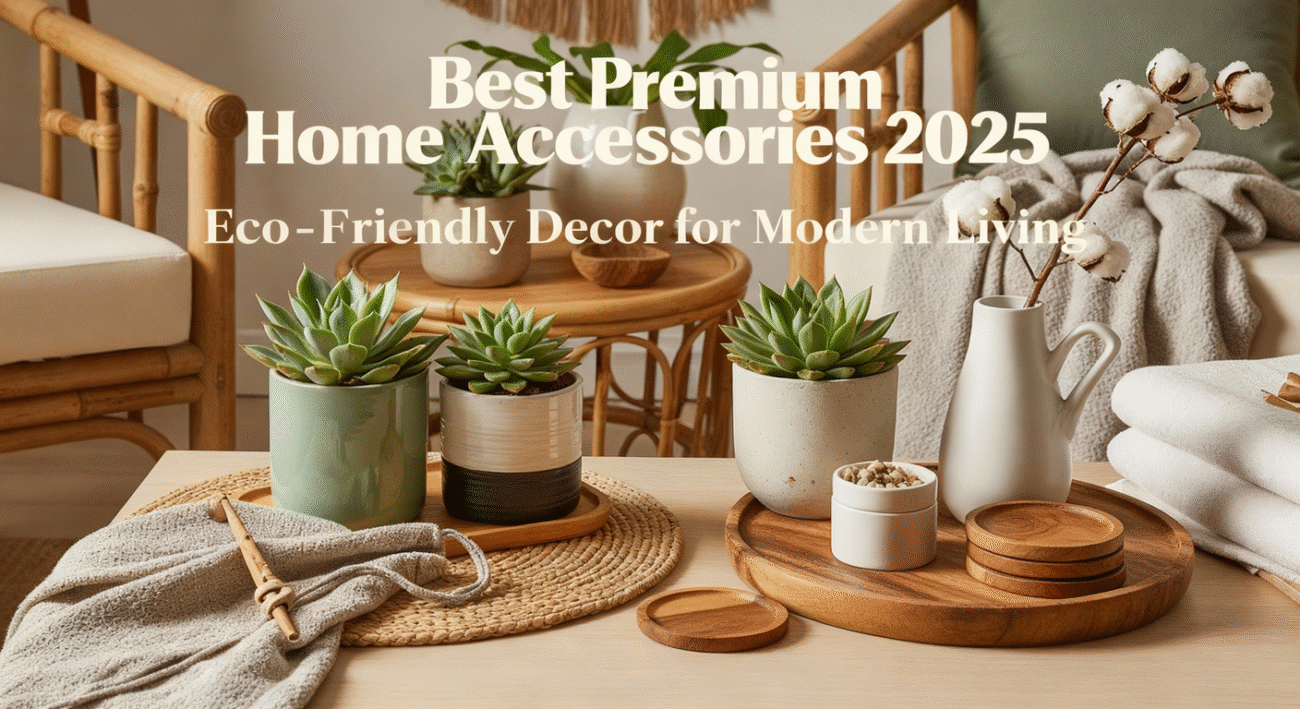
Best Premium Home Accessories 2025: Eco-Friendly Decor for Modern Living
Research suggests that eco-friendly home decor trends for 2025 emphasize sustainable materials like reclaimed wood, bamboo, and organic textiles, creating stylish yet environmentally responsible spaces. It seems likely that earthy color palettes, including deep greens and warm terracottas, will dominate, blending natural aesthetics with modern functionality. The evidence leans toward multifunctional and artisanal pieces gaining popularity, as they offer durability and unique character while reducing waste. Biophilic design elements, such as indoor plants and natural textures, appear to foster well-being in contemporary homes. Controversy around fast fashion in decor highlights the need for ethical brands, though opinions vary on affordability versus premium quality—many experts advocate for investing in long-lasting items to balance both.
Key Trends in Eco-Friendly Decor
As we look ahead to 2025, home decor is shifting toward sustainability without sacrificing style. Trends like biophilic design integrate nature indoors through plants and natural materials, promoting a sense of calm. Sustainable luxury uses reclaimed woods and biodegradable textiles for premium pieces that last. Earthy tones create grounded, inviting atmospheres, while artisan craftsmanship adds personal touches.
Top Brands for Premium Accessories
Brands like West Elm and The Citizenry lead with fair trade practices and organic materials, offering rugs, pillows, and furniture that align with modern eco-conscious living. Quince provides affordable yet premium options in linen and cotton, shipped in eco-friendly packaging.
Essential Accessories to Consider
From bamboo furniture to recycled glass vases, these items enhance modern homes. Organic throw pillows in natural fibers add comfort, while woven baskets organize spaces beautifully.
In the ever-evolving world of home decor, 2025 promises a refreshing blend of luxury and responsibility, where premium home accessories not only elevate your living space but also align with the planet’s well-being. As more homeowners seek ways to infuse their environments with eco-friendly decor essentials, the focus shifts to materials that are sustainable, durable, and beautifully crafted.
Imagine transforming your modern living room with pieces that tell a story of ethical sourcing and innovative design—reclaimed wood tables that whisper tales of repurposed forests, or organic textile throw pillows that cradle you in natural comfort. This collection highlights the best premium home accessories for 2025, drawing from trends like biophilic design and sustainable luxury, ensuring your home feels both contemporary and conscientious. Whether you’re revamping a cozy nook or outfitting an entire space, these eco-friendly choices prove that style and sustainability can coexist harmoniously.
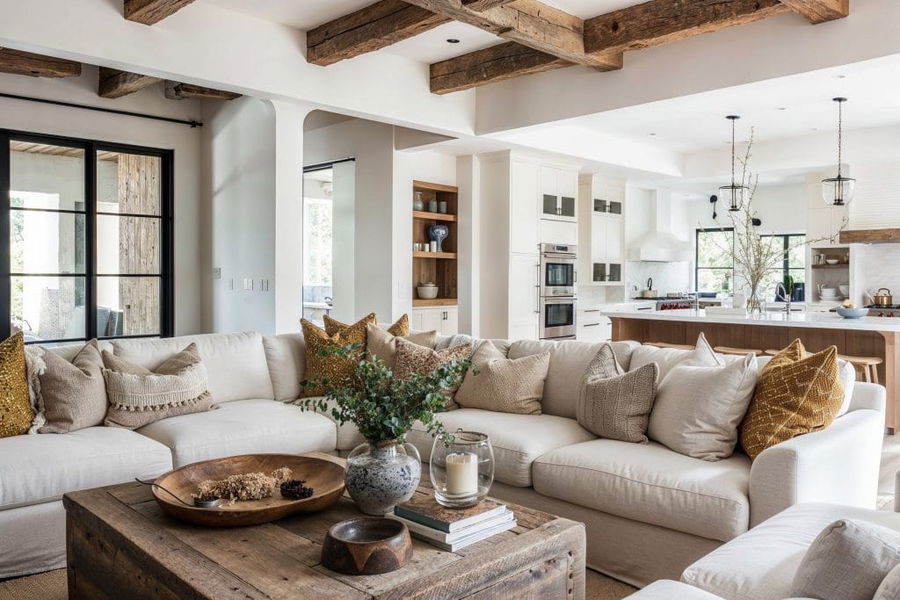
One of the standout trends in eco-friendly decor for 2025 is the rise of biophilic design, which brings the outdoors in to foster a deeper connection with nature. This approach isn’t just about adding a few plants; it’s about creating sanctuaries that enhance well-being through natural elements. For instance, incorporating hanging planters or vertical gardens made from recycled materials can purify the air while adding visual interest to your walls.
Premium brands like Bloomist excel here, offering hand-thrown ceramic vases and woven baskets crafted from jute or rattan—materials that are biodegradable and harvested responsibly. These accessories, such as an eggshell oval vase filled with fresh greenery, can transform a simple shelf into a focal point, blending functionality with aesthetic appeal. In modern living, where urban spaces often lack green views, these eco-friendly decor essentials help bridge the gap, making your home feel like a serene retreat amid the hustle of daily life.
Earthy color palettes are set to dominate 2025, mirroring the hues of the natural world to create grounded, inviting atmospheres. Think deep forest greens, warm terracottas, soft sands, and ocean blues—these shades bring a sense of calm and stability to any room. For premium home accessories, this translates to items like throw blankets in mocha mousse tones or pillows in tonal variations that layer beautifully on a neutral sofa.
Brands such as Parachute offer GOTS-certified bedding and decor in these palettes, ensuring they’re free from harmful chemicals and produced with fair trade practices. Pairing a terracotta vase with a sand-colored rug can evoke a desert oasis in your living area, while ocean blue accents in lighting or wall art add a coastal vibe without overwhelming the space. This trend encourages mixing textures too—smooth ceramics against rough-hewn wood—for a tactile experience that’s both modern and timeless.
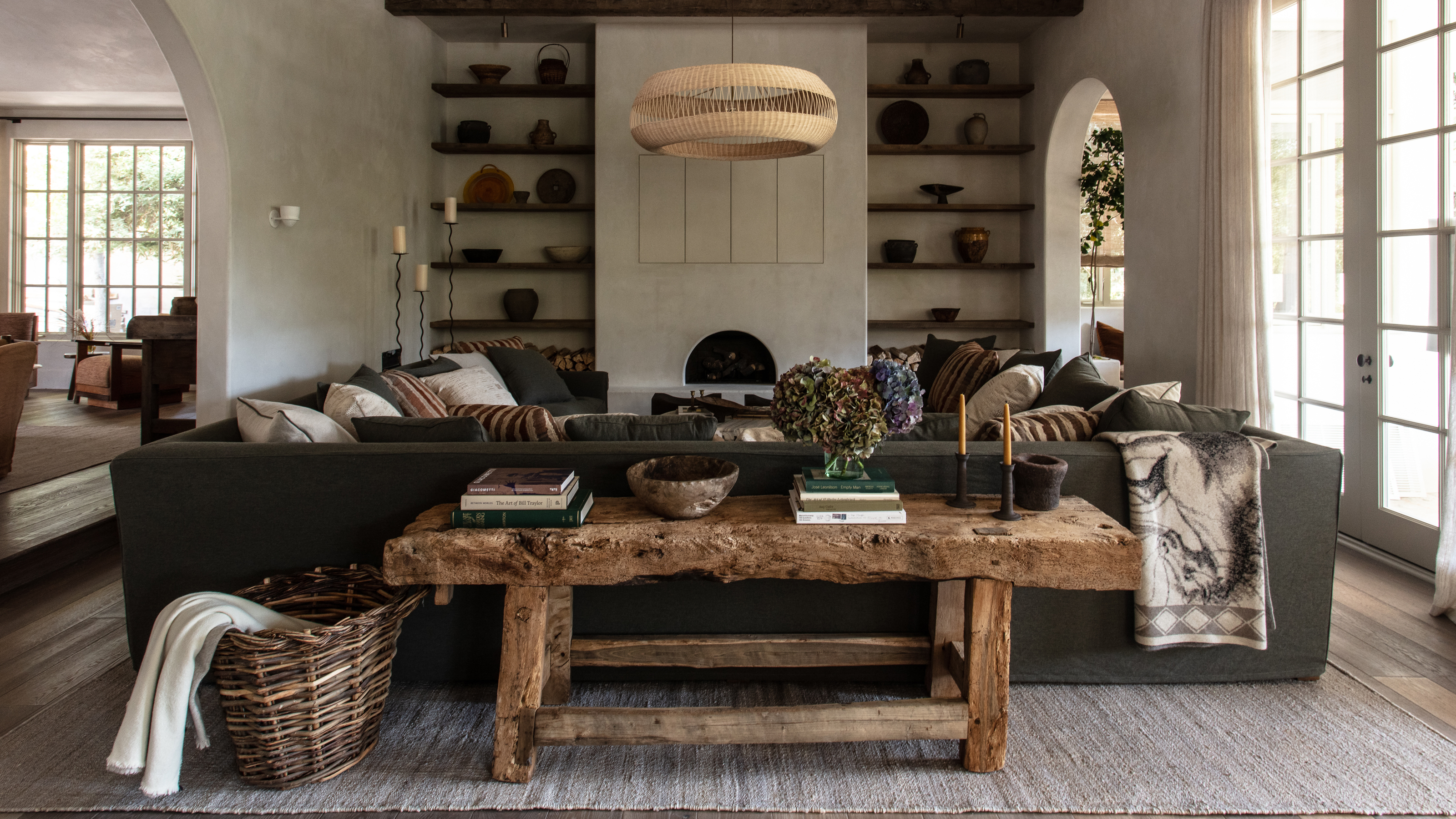
Sustainable materials take center stage in the best premium home accessories collection for 2025, with reclaimed wood and bamboo leading the charge. Reclaimed wood, sourced from old barns or fallen trees, reduces deforestation and adds unique character through its natural patina and grains. Picture a coffee table from Maiden Home, handcrafted in North Carolina with FSC-certified wood, serving as the heart of your modern living room.
Bamboo, a rapidly renewable resource, appears in everything from furniture to storage solutions, like sleek chairs or shelving units that are lightweight yet sturdy. Brands like West Elm incorporate these materials into their fair trade collections, ensuring artisans receive fair wages while minimizing environmental impact. These pieces aren’t just functional; they’re investments in longevity, designed to age gracefully and reduce the need for frequent replacements in your eco-friendly home.
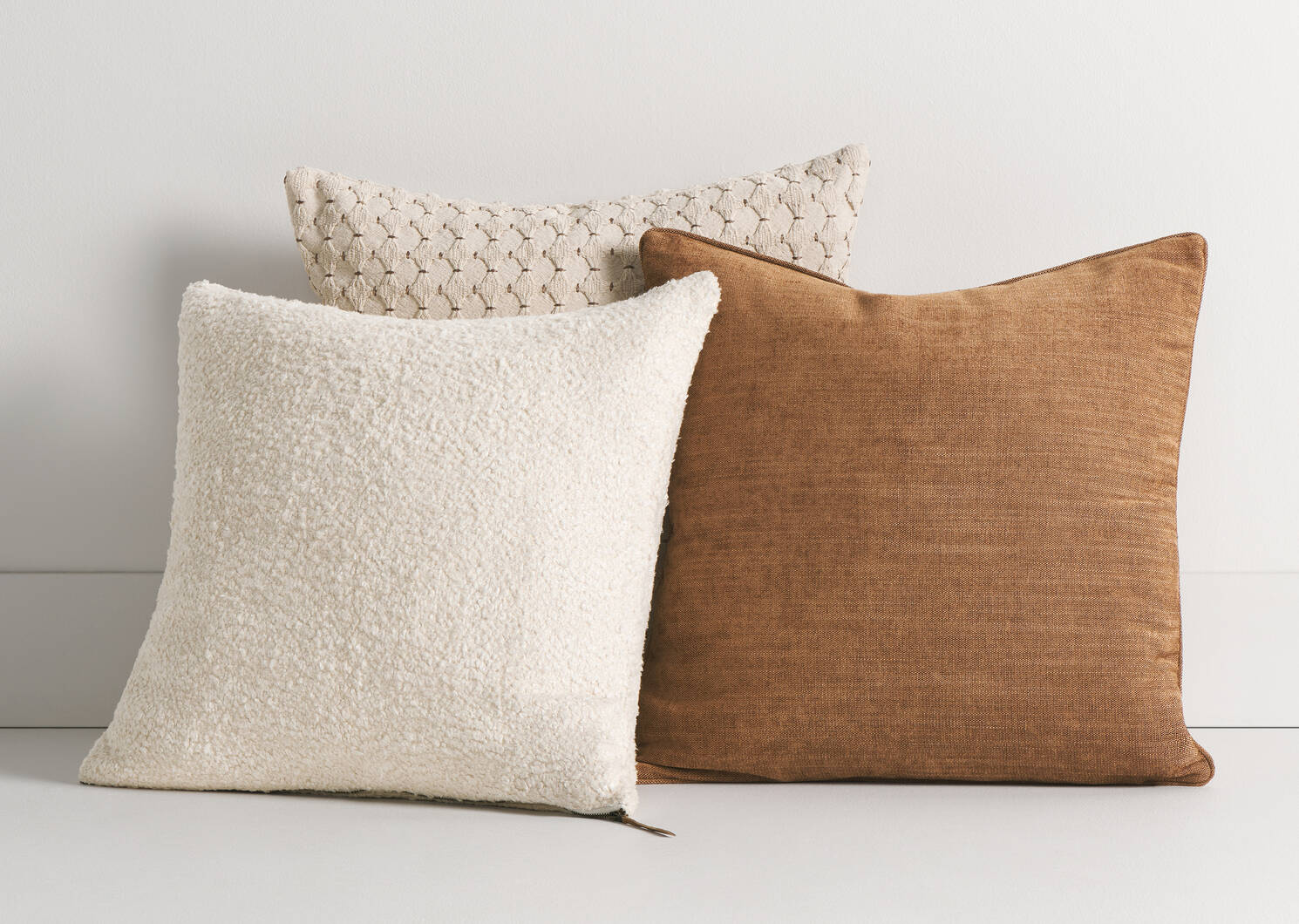
Organic textiles are another essential for modern living, offering softness and sustainability in equal measure. Made from GOTS-certified cotton, linen, or hemp, these fabrics are grown without pesticides, making them kinder to the earth and your skin. Throw pillows from Quince, for example, come in hypoallergenic kapok fillings with removable covers for easy cleaning, perfect for busy households.
In 2025, expect to see more layered looks—mixing wool throws with cotton cushions in earthy tones to create cozy nooks. Lorena Canals specializes in washable rugs from natural fibers, ideal for high-traffic areas like family rooms, where durability meets design. These eco-friendly decor essentials not only enhance comfort but also support ethical manufacturing, often handmade in small batches to preserve traditional craftsmanship.

Recycled glass and metal accessories bring a touch of elegance to sustainable decor, proving that upcycling can be luxurious. Vases and light fixtures crafted from recycled glass, like those from The Citizenry, feature subtle bubbles and imperfections that add artisanal charm. These pieces reduce waste by repurposing materials that would otherwise end up in landfills, aligning with circular design principles. For 2025, designers predict a surge in multifunctional items, such as convertible lamps or refillable containers, that extend product lifecycles. Imagine a recycled metal mirror from Woven, hung above a console table, reflecting natural light to make spaces feel larger and brighter. These premium home accessories blend industrial edge with eco-conscious appeal, making them staples for modern urban dwellings.
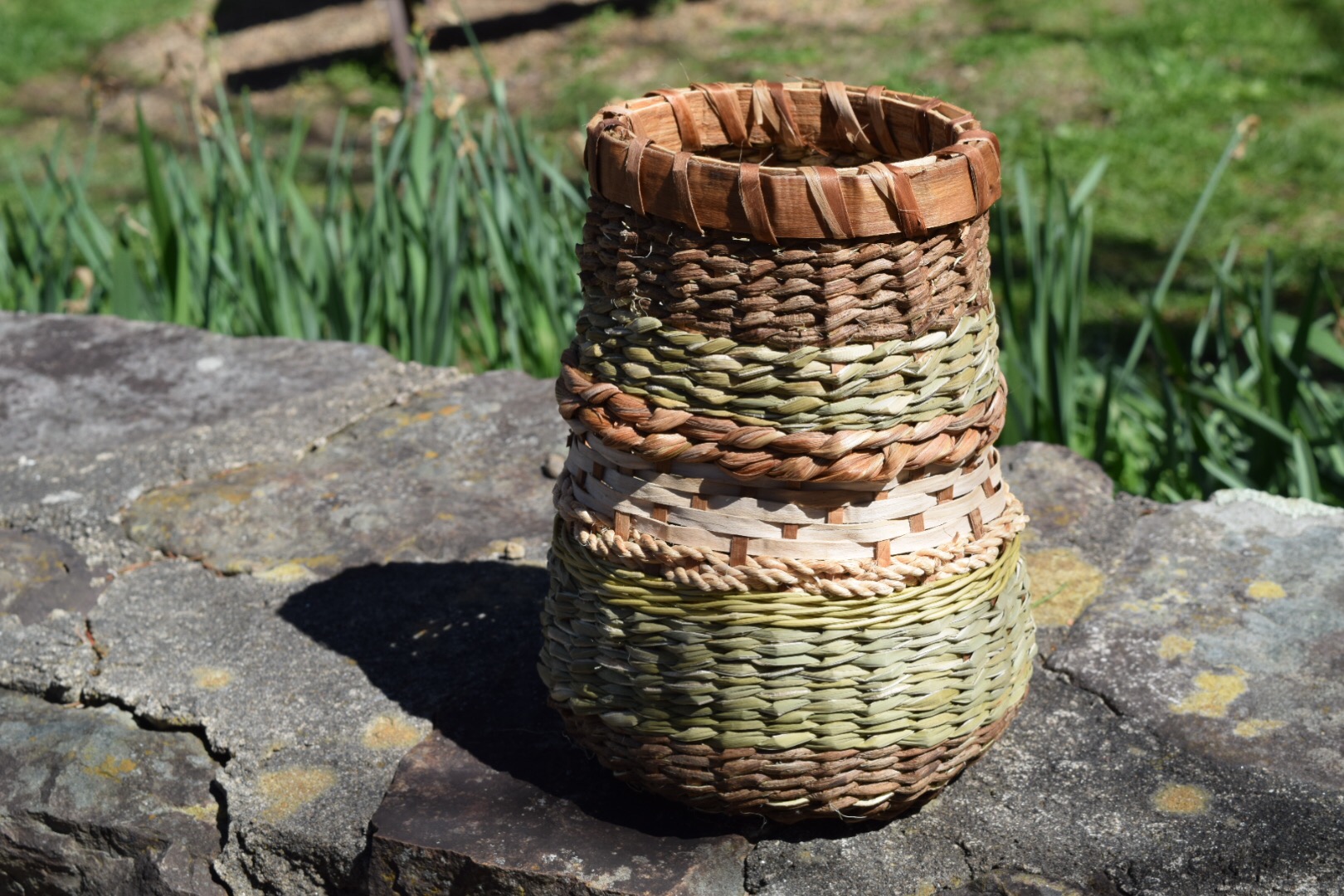
Artisanal woven baskets and poufs embody the wabi-sabi aesthetic trending in 2025, celebrating imperfection and handmade beauty. Crafted from natural fibers like seagrass or jute by brands such as Ten Thousand Villages, these items support global artisan communities through fair trade. Use them for storage—tucking away blankets or magazines—or as side tables for a rustic touch. Their biodegradable nature ensures they’re eco-friendly, decomposing harmlessly if ever discarded. In modern living, layering these with vintage elements creates depth; a woven basket beside a reclaimed wood bench invites relaxation while organizing clutter seamlessly.
Whimsical lighting is evolving into eco-friendly forms, with LED bulbs and natural shades leading the way. Brands like Afternoon Light curate pieces from independent designers, using materials like recycled paper or bamboo for pendants and floor lamps. These accessories not only illuminate spaces but also highlight sustainability, with low-energy consumption reducing your carbon footprint. For 2025, opt for statement pieces like a rattan chandelier over a dining table, casting warm shadows that enhance earthy palettes. This trend encourages mindful choices, where lighting doubles as art, fostering cozy evenings in your sustainable home.
Vintage and heirloom pieces are making a comeback, repurposed with non-toxic paints for a fresh look. Shopping secondhand from platforms like Etsy or Chairish reduces resource demand, offering unique finds like antique vases or refurbished chairs. In 2025, this aligns with circular design, where items are designed for reuse—think cribs that convert to beds or modular sofas from Sabai. These premium home accessories add history to modern living, blending old-world charm with contemporary eco-values.
Multifunctional furniture addresses compact living in 2025, with pieces like fold-away desks from Room & Board maximizing space without waste. Made from recycled plastics or sustainable woods, these essentials cater to urban dwellers seeking efficiency. Brands like Joybird plant trees per purchase, offsetting impacts while providing custom options in earthy tones. This trend promotes “less but better,” where quality trumps quantity in eco-friendly decor.
Incorporating these accessories into your home starts with assessing your space—identify areas needing warmth, like adding bamboo furniture to a stark room for natural texture. Layer in organic textiles for comfort, and accent with recycled glass for sparkle. For a cohesive look, stick to earthy palettes, mixing brands like VivaTerra for outdoor-inspired pieces with Quince for everyday essentials. This approach not only elevates modern living but also contributes to a healthier planet.
As you explore these trends, remember that premium eco-friendly decor is about intentionality—choosing pieces that resonate with your lifestyle while honoring the environment. Whether it’s a woven basket from global artisans or a reclaimed wood shelf, each addition builds a home that’s stylish, sustainable, and soulful.
One of the standout trends in eco-friendly decor for 2025 is the rise of biophilic design, which brings the outdoors in to foster a deeper connection with nature. This approach isn’t just about adding a few plants; it’s about creating sanctuaries that enhance well-being through natural elements. For instance, incorporating hanging planters or vertical gardens made from recycled materials can purify the air while adding visual interest to your walls.
Premium brands like Bloomist excel here, offering hand-thrown ceramic vases and woven baskets crafted from jute or rattan—materials that are biodegradable and harvested responsibly. These accessories, such as an eggshell oval vase filled with fresh greenery, can transform a simple shelf into a focal point, blending functionality with aesthetic appeal. In modern living, where urban spaces often lack green views, these eco-friendly decor essentials help bridge the gap, making your home feel like a serene retreat amid the hustle of daily life.
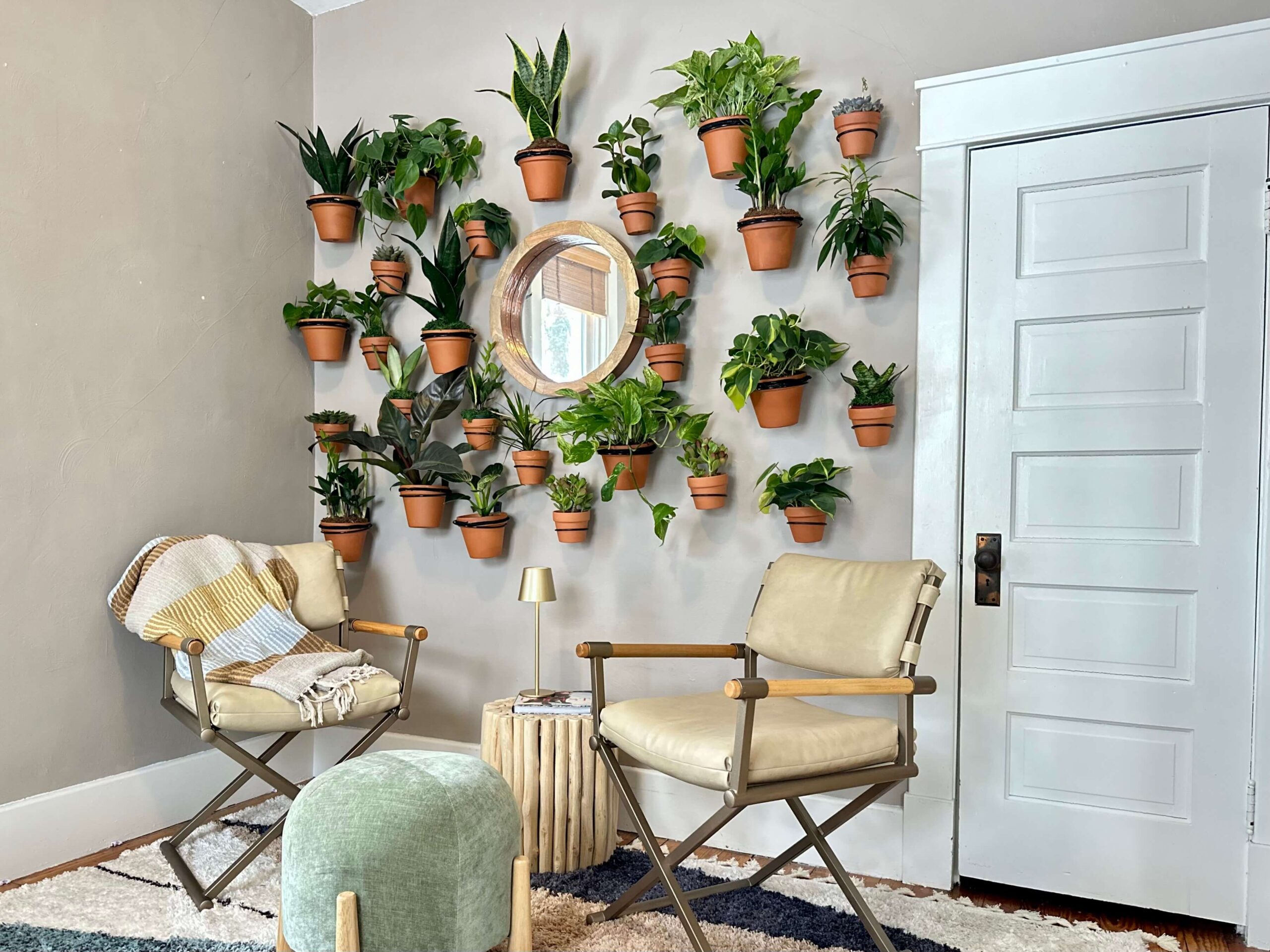
Earthy color palettes are set to dominate 2025, mirroring the hues of the natural world to create grounded, inviting atmospheres. Think deep forest greens, warm terracottas, soft sands, and ocean blues—these shades bring a sense of calm and stability to any room. For premium home accessories, this translates to items like throw blankets in mocha mousse tones or pillows in tonal variations that layer beautifully on a neutral sofa.
Best Premium Home Accessories 2025
Brands such as Parachute offer GOTS-certified bedding and decor in these palettes, ensuring they’re free from harmful chemicals and produced with fair trade practices. Pairing a terracotta vase with a sand-colored rug can evoke a desert oasis in your living area, while ocean blue accents in lighting or wall art add a coastal vibe without overwhelming the space. This trend encourages mixing textures too—smooth ceramics against rough-hewn wood—for a tactile experience that’s both modern and timeless.
Sustainable materials take center stage in the best premium home accessories collection for 2025, with reclaimed wood and bamboo leading the charge. Reclaimed wood, sourced from old barns or fallen trees, reduces deforestation and adds unique character through its natural patina and grains. Picture a coffee table from Maiden Home, handcrafted in North Carolina with FSC-certified wood, serving as the heart of your modern living room.
Bamboo, a rapidly renewable resource, appears in everything from furniture to storage solutions, like sleek chairs or shelving units that are lightweight yet sturdy. Brands like West Elm incorporate these materials into their fair trade collections, ensuring artisans receive fair wages while minimizing environmental impact. These pieces aren’t just functional; they’re investments in longevity, designed to age gracefully and reduce the need for frequent replacements in your eco-friendly home.
Organic textiles are another essential for modern living, offering softness and sustainability in equal measure. Made from GOTS-certified cotton, linen, or hemp, these fabrics are grown without pesticides, making them kinder to the earth and your skin. Throw pillows from Quince, for example, come in hypoallergenic kapok fillings with removable covers for easy cleaning, perfect for busy households.
In 2025, expect to see more layered looks—mixing wool throws with cotton cushions in earthy tones to create cozy nooks. Lorena Canals specializes in washable rugs from natural fibers, ideal for high-traffic areas like family rooms, where durability meets design. These eco-friendly decor essentials not only enhance comfort but also support ethical manufacturing, often handmade in small batches to preserve traditional craftsmanship.

Whimsical lighting is evolving into eco-friendly forms, with LED bulbs and natural shades leading the way. Brands like Afternoon Light curate pieces from independent designers, using materials like recycled paper or bamboo for pendants and floor lamps. These accessories not only illuminate spaces but also highlight sustainability, with low-energy consumption reducing your carbon footprint. For 2025, opt for statement pieces like a rattan chandelier over a dining table, casting warm shadows that enhance earthy palettes. This trend encourages mindful choices, where lighting doubles as art, fostering cozy evenings in your sustainable home.
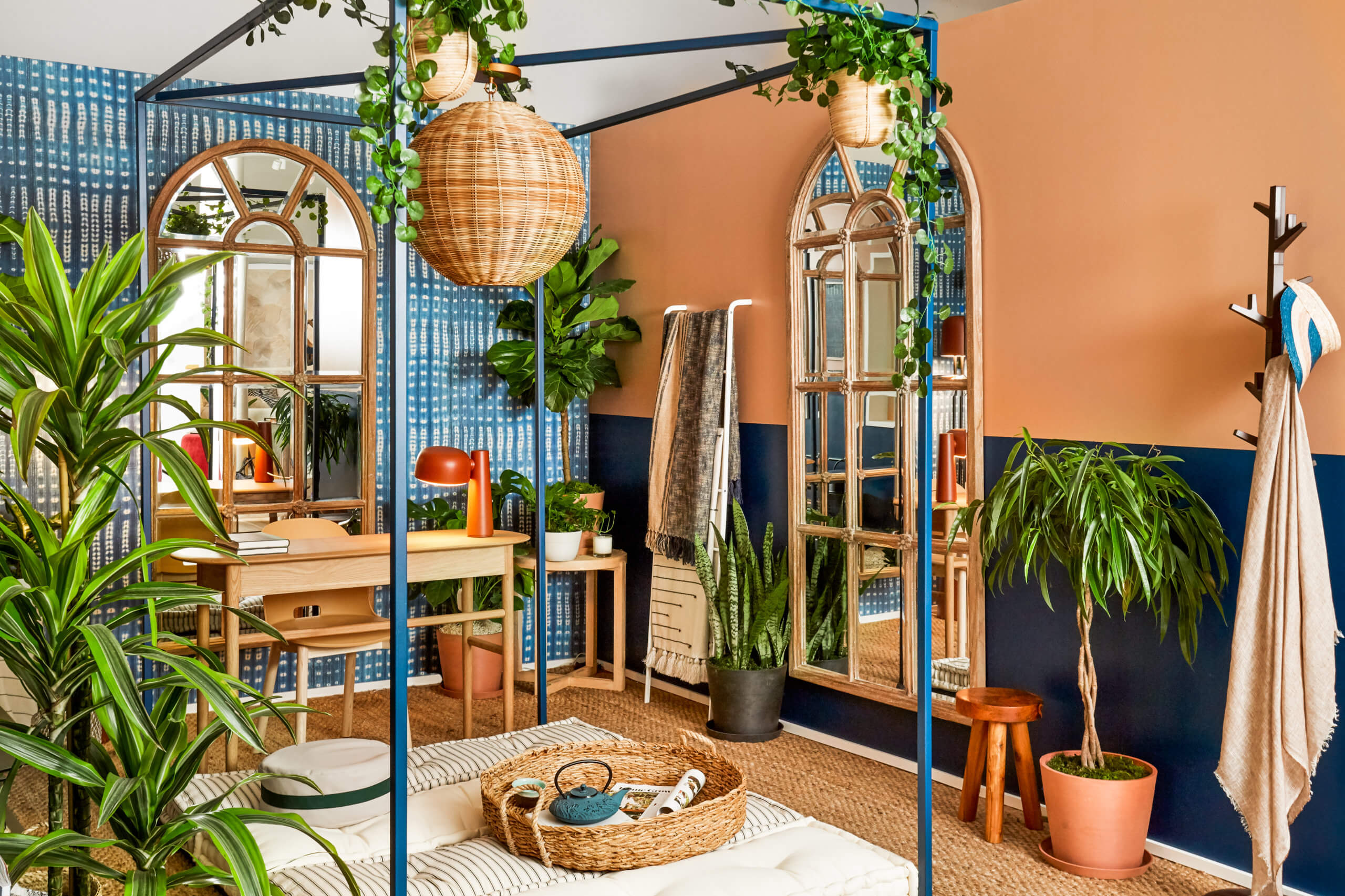
Vintage and heirloom pieces are making a comeback, repurposed with non-toxic paints for a fresh look. Shopping secondhand from platforms like Etsy or Chairish reduces resource demand, offering unique finds like antique vases or refurbished chairs. In 2025, this aligns with circular design, where items are designed for reuse—think cribs that convert to beds or modular sofas from Sabai. These premium home accessories add history to modern living, blending old-world charm with contemporary eco-values.

Multifunctional furniture addresses compact living in 2025, with pieces like fold-away desks from Room & Board maximizing space without waste. Made from recycled plastics or sustainable woods, these essentials cater to urban dwellers seeking efficiency. Brands like Joybird plant trees per purchase, offsetting impacts while providing custom options in earthy tones. This trend promotes “less but better,” where quality trumps quantity in eco-friendly decor.
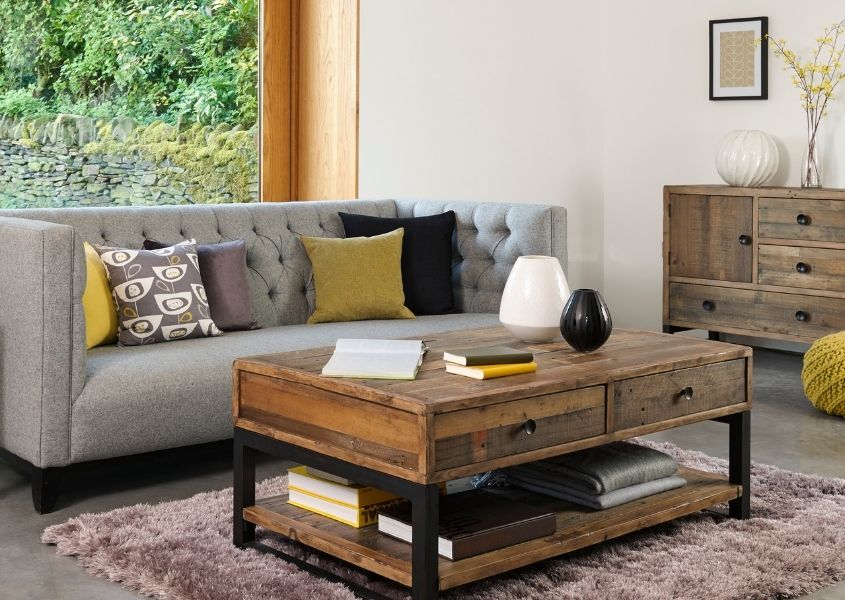
Incorporating these accessories into your home starts with assessing your space—identify areas needing warmth, like adding bamboo furniture to a stark room for natural texture. Layer in organic textiles for comfort, and accent with recycled glass for sparkle. For a cohesive look, stick to earthy palettes, mixing brands like VivaTerra for outdoor-inspired pieces with Quince for everyday essentials. This approach not only elevates modern living but also contributes to a healthier planet.
As you explore these trends, remember that premium eco-friendly decor is about intentionality—choosing pieces that resonate with your lifestyle while honoring the environment. Whether it’s a woven basket from global artisans or a reclaimed wood shelf, each addition builds a home that’s stylish, sustainable, and soulful.
About MehruBlogs
This article is brought to you by MehruBlogs, your source for grooming and style guides. Visit www.mehrublogs.com for more. Contact us at mehrublogs@gmail.com.
Follow us on social media:
- Facebook: https://www.facebook.com/MehruBlogs/
- Instagram: https://www.instagram.com/Mehrublogs.com_/
- Pinterest: https://www.pinterest.com/mehrublogs/
Frequently Asked Questions (FAQs)
What makes home accessories eco-friendly in 2025? Eco-friendly home accessories in 2025 prioritize sustainable materials like reclaimed wood, bamboo, organic cotton, and recycled glass. These items are often certified by standards such as GOTS or FSC, ensuring minimal environmental impact through ethical sourcing, biodegradability, and reduced waste. Brands focus on fair trade practices to support artisans while avoiding harmful chemicals, making them ideal for conscious modern living.
How can I incorporate biophilic design into my premium home accessories collection? Start by adding natural elements like indoor plants in recycled planters or woven baskets filled with greenery. Use earthy color palettes in textiles and lighting to mimic outdoor hues. Hang vertical gardens or place potted plants on reclaimed wood shelves to enhance air quality and well-being, creating a seamless blend of nature and contemporary style in your space.
Are premium eco-friendly decor essentials affordable? While premium eco-friendly decor can have a higher upfront cost due to quality materials and ethical production, they offer long-term savings through durability and reduced replacements. Brands like Quince provide accessible options without compromising sustainability. Look for multifunctional pieces that serve multiple purposes, balancing luxury with budget-friendly choices for modern homes.
Where can I buy the best premium home accessories for 2025? Top brands such as West Elm, The Citizenry, Parachute, and Quince offer extensive collections online and in stores. For artisanal items, explore fair trade sites like Ten Thousand Villages or secondhand platforms like Etsy. Always check for certifications to ensure authenticity in sustainable practices.
What are the key trends in sustainable home essentials for modern living? Key trends include biophilic design with indoor greenery, earthy toned palettes for calm atmospheres, and circular materials like recycled glass and organic textiles. Multifunctional furniture and artisanal woven pieces emphasize versatility and craftsmanship, promoting a “less but better” approach to eco-conscious decor.
How do I maintain organic textiles in my home accessories? Organic textiles like cotton or linen pillows and throws are easy to care for—machine wash on gentle cycles with eco-friendly detergents and air dry to preserve fibers. Removable covers from brands like Quince simplify cleaning, while avoiding harsh chemicals keeps them hypoallergenic and sustainable over time.
Why choose reclaimed wood for premium home accessories? Reclaimed wood reduces deforestation by repurposing existing materials, adding unique patina and history to pieces like tables or shelves. It’s durable, FSC-certified in many cases, and aligns with 2025’s focus on circular design, offering both environmental benefits and timeless appeal for modern interiors.
Can recycled glass vases fit into any decor style? Yes, recycled glass vases adapt well to various styles, from minimalist modern to bohemian rustic. Their subtle imperfections add character, and pairing them with earthy tones or biophilic elements enhances versatility. Brands like The Citizenry offer options that elevate any space sustainably.
What role do artisanal woven baskets play in eco-friendly decor? Artisanal woven baskets from natural fibers like jute or seagrass provide storage, organization, and texture while supporting global communities through fair trade. They’re biodegradable, multifunctional as planters or tables, and embody the wabi-sabi trend of embracing handmade imperfection in 2025 homes.
How does sustainable lighting contribute to modern living? Sustainable lighting uses LED bulbs and natural materials like bamboo shades to lower energy use and carbon footprints. Pieces from Afternoon Light add warmth and ambiance, often doubling as art, making them essential for creating inviting, eco-friendly spaces in contemporary homes.
