
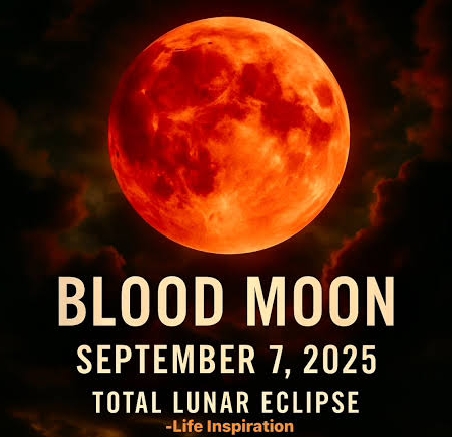
Blood Moon Total Lunar Eclipse: How to See It in the UK in 2025

A rare and mesmerizing celestial event is set to grace the skies above the United Kingdom on September 7, 2025 – a total lunar eclipse, popularly known as a “Blood Moon.” This awe-inspiring phenomenon occurs when the Earth passes between the Sun and the Moon, casting a shadow that transforms the Moon into a striking red hue. For skywatchers in the UK, this is a must-see event, as it marks the first total lunar eclipse visible since 2022.
In this comprehensive guide, we’ll dive into everything you need to know about the Blood Moon total lunar eclipse, including how to observe it, the science behind it, and tips for capturing the moment. Whether you’re an astronomy enthusiast or a curious beginner, this article will prepare you to witness this cosmic spectacle in all its glory.
What Is a Blood Moon Total Lunar Eclipse?
A lunar eclipse happens when the Earth aligns perfectly between the Sun and the Moon, casting a shadow across the Moon’s surface. During a total lunar eclipse, the Moon passes through the Earth’s umbra, the darkest part of its shadow, causing the Moon to take on a deep red or coppery hue – hence the term “Blood Moon.” This reddish appearance is due to a phenomenon called Rayleigh scattering, where sunlight passes through Earth’s atmosphere, scattering shorter blue wavelengths and allowing longer red wavelengths to reach the Moon. It’s the same process that paints sunsets and sunrises with vibrant reds and oranges, making it feel as though every sunrise and sunset on Earth is projected onto the lunar surface.
Unlike solar eclipses, which require special protective gear to view safely, lunar eclipses are completely safe to observe with the naked eye, binoculars, or a telescope. This makes them accessible to everyone, from seasoned astronomers to families looking for a memorable night under the stars. The Blood Moon on September 7, 2025, is particularly special because it coincides with the Corn Moon, the full Moon of September, named for the traditional harvest season in North America.
When and Where to See the Blood Moon in the UK
The total lunar eclipse on September 7, 2025, will be visible across parts of the UK, weather permitting. However, the viewing experience will vary depending on your location within the country. The eclipse will occur in the evening, making it a convenient time for most people to observe without staying up late. Here are the key details:
- Date: Sunday, September 7, 2025
- Penumbral Eclipse Begins: 16:28 BST (British Summer Time)
- Partial Eclipse Begins: 17:27 BST
- Total Eclipse Begins: 18:30 BST
- Maximum Eclipse: 19:11 BST (Moon below the horizon for most of the UK)
- Total Eclipse Ends: 19:52 BST
- Partial Eclipse Ends: 20:54 BST
- Penumbral Eclipse Ends: 21:55 BST
- Best Viewing Time in the UK: Around 19:33 BST, when the Moon rises and the eclipse is at its maximum for UK observers.
Regional Viewing Differences
The visibility of the total lunar eclipse depends on when the Moon rises in your location, as the Moon will already be in totality when it appears above the horizon. Eastern parts of the UK, such as Norwich (moonrise at 19:25 BST), will have the longest view of totality, potentially up to 29 minutes. In contrast, western regions like Wales, Cornwall, Northern Ireland, and western Scotland may only catch a glimpse of the partial eclipse or a few minutes of totality due to later moonrise times. For example, Manchester residents can expect the Moon to rise at 19:41 BST, offering about 11 minutes of totality.
To find the exact moonrise time for your location, check resources like Time and Date or the BBC Weather app. These tools provide location-specific moonrise times to help you plan your viewing.
Why the Moon Turns Red During a Total Lunar Eclipse
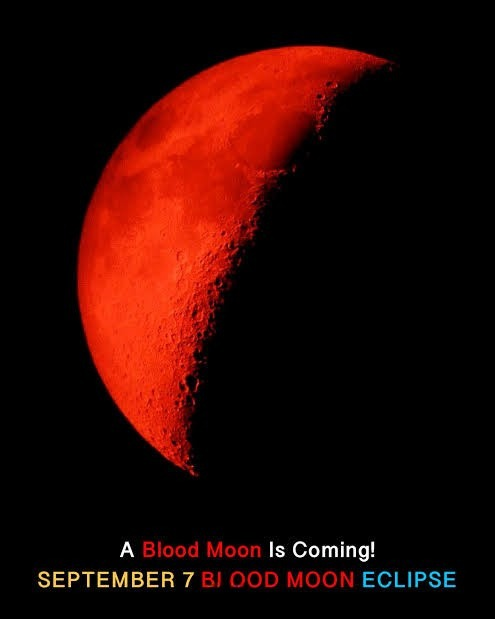
The striking red color of a Blood Moon is one of nature’s most captivating displays. When the Moon enters the Earth’s umbra, it doesn’t disappear entirely but instead glows with a reddish hue. This happens because sunlight passing through Earth’s atmosphere is filtered, with blue light scattering out and red light bending toward the Moon. According to NASA, it’s as if “all the world’s sunrises and sunsets are projected onto the Moon.” The intensity of the red color can vary depending on atmospheric conditions, such as dust or cloud cover, which can make the Moon appear darker or more vibrant.
Dr. Edward Bloomer, an astronomer at the Royal Observatory Greenwich, explains, “The reddish appearance is the result of Rayleigh scattering, the same effect that gives us red sunsets. It’s a beautiful demonstration of how light interacts with our atmosphere.” Historically, Blood Moons have been associated with myths and omens, but today we understand them as a stunning showcase of the solar system’s mechanics.
How to Prepare for Viewing the Blood Moon in the UK
To make the most of this celestial event, preparation is key. Here are some practical tips to ensure you get the best view of the Blood Moon total lunar eclipse in the UK:
- Find a Clear View of the Eastern Horizon
Since the Moon will be low on the horizon during the eclipse, you’ll need an unobstructed view to the east. In urban areas, head to a hill, rooftop, or a popular viewpoint. Rural locations with open fields or elevated areas are ideal. Avoid areas with tall buildings or trees that could block your view. Royal Museums Greenwich advises finding a high point with a clear view to the east, as the Moon will be particularly low and challenging to spot during totality. - Check the Weather Forecast
Cloud cover can make or break your viewing experience. The Met Office predicts that on September 7, 2025, the southwest and parts of eastern England may have the clearest skies, while other areas could face cloudier conditions. Check the Met Office weather forecast or the BBC Weather app closer to the date for the most accurate updates. If clouds are forecast, consider traveling to a nearby location with better conditions. - Use Binoculars or a Telescope (Optional)
While the Blood Moon is visible to the naked eye, binoculars or a telescope can enhance the experience by revealing the Moon’s surface details and the gradual progression of Earth’s shadow. Unlike solar eclipses, lunar eclipses are safe to view directly, so no special filters are needed. If you’re using a telescope, a low-power eyepiece will provide a wide field of view to capture the entire Moon. - Dress for the Weather
September evenings in the UK can be chilly, especially if you’re observing for an extended period. Bring warm clothing, a blanket, and perhaps a thermos of hot tea or coffee to stay comfortable. If you’re in a dark-sky location, a red torch is recommended to preserve your night vision, as suggested by Imo Bell of the Royal Observatory. - Plan for the Timing
Since the Moon rises during totality, timing is critical. Arrive at your viewing spot at least 10–20 minutes before moonrise to get settled. The Moon may appear darker than usual during totality, so be prepared to scan the horizon carefully. As the evening progresses, the Moon will rise higher, and the partial phase will become more visible as it exits Earth’s shadow. - Bring a Camera or Smartphone
Capturing the Blood Moon is a great way to preserve the memory. For smartphone photography, use a tripod to stabilize your device, lower the exposure, and turn off autofocus to avoid blurry images. For better results, consider using a telescope with a smartphone adapter for close-up shots. Check out our guide on how to photograph a lunar eclipse for detailed tips. -

Full Eclipse of the Moon as seen in from Irvine, CA, USA
Best Locations in the UK for Viewing the Blood Moon
While the eclipse will be visible across much of the UK, certain locations offer better conditions due to minimal light pollution and clear horizons. Here are some top spots to consider:
- Norfolk (e.g., Norwich): With moonrise at 19:25 BST, eastern England offers the longest view of totality, up to 29 minutes. Coastal areas like Great Yarmouth are ideal for unobstructed views.
- Southwest England (e.g., Devon, Cornwall): The Met Office suggests clear skies in the southwest, making places like Dartmoor National Park or the Cornish coast prime viewing spots.
- Eastern England (e.g., Suffolk, Essex): Low light pollution and early moonrise make these areas excellent for eclipse viewing.
- Scottish Highlands: If weather permits, remote areas with dark skies, like Cairngorms National Park, provide a stunning backdrop.
- Wales (e.g., Brecon Beacons): Elevated areas with clear eastern horizons are great, though western Wales may only see a partial eclipse.
For urban dwellers, find a local park or hilltop with a clear view to the east. Avoid heavily lit areas to minimize light pollution, which can dim the Moon’s red glow.
The Science Behind Lunar Eclipses
A lunar eclipse is a fascinating display of celestial mechanics. It occurs when the Sun, Earth, and Moon align in a straight line, with Earth casting a shadow onto the Moon. There are three types of lunar eclipses:
- Total Lunar Eclipse: The Moon fully enters the Earth’s umbra, turning red.
- Partial Lunar Eclipse: Only part of the Moon enters the umbra, creating a dark segment.
- Penumbral Lunar Eclipse: The Moon passes through the Earth’s outer shadow (penumbra), causing a subtle dimming.
The September 7, 2025, event is a total lunar eclipse, making it more dramatic than the partial eclipse seen in the UK in March 2025. The Moon’s reddish hue is influenced by the amount of dust and clouds in Earth’s atmosphere. For instance, volcanic eruptions or wildfires can intensify the red color by adding particles that scatter more light.
Dr. Jake Foster from the Royal Observatory Greenwich notes, “Red light is mostly unaffected by atmospheric gases, so it travels through and shines on the Moon, creating that iconic Blood Moon glow.” This interplay of light and atmosphere makes each eclipse unique, as the Moon’s color can range from a faint orange to a deep, rusty red.
Cultural and Historical Significance of Blood Moons
Throughout history, Blood Moons have captivated human imagination, often interpreted as omens or signs of significant events. Ancient civilizations, such as the Incas and Mesopotamians, viewed lunar eclipses with awe and fear, sometimes believing they signaled divine displeasure. Today, we understand the science behind the phenomenon, but the Blood Moon’s striking appearance still evokes wonder.
In modern times, the term “Blood Moon” has also been popularized in popular culture, often tied to prophecies or apocalyptic narratives. However, astronomers like Dr. Bloomer emphasize that it’s simply a natural event, a “beautiful reminder of the clockwork motion of our solar system.” The September 2025 eclipse, coinciding with the Corn Moon, adds a cultural layer, as this full Moon is tied to harvest traditions in many cultures.
Photographing the Blood Moon: Tips for Stunning Shots
Capturing the Blood Moon is a rewarding challenge for photographers. Here’s how to get the best results:
- Equipment: A DSLR or mirrorless camera with a telephoto lens (200mm or more) is ideal, but a smartphone with a tripod can work too. For telescopes, use a T-ring adapter to connect your camera.
- Settings: Use manual mode with a low ISO (100–400), a fast shutter speed (1/100 to 1/500), and a wide aperture (f/4–f/8). Adjust based on the Moon’s brightness.
- Stabilization: A sturdy tripod is essential to avoid camera shake. For smartphones, lower the exposure and disable autofocus.
- Composition: Include foreground elements like trees or buildings to add context. The Moon rising in the Belt of Venus (the pink-grey band above the horizon) can create a stunning backdrop.
- Post-Processing: Enhance contrast and clarity in editing software to bring out the Moon’s red hue.
Share your photos with us at MehruBlogs or email us at mehrublogs@gmail.com. We’d love to feature your shots!
What If You Miss the Blood Moon?
If cloud cover or other factors prevent you from seeing the eclipse in person, don’t worry! You can watch a livestream of the event on platforms like the Virtual Telescope Project or Time and Date. These streams offer high-quality views from locations with optimal visibility, such as Asia or Australia, where the entire eclipse will be visible.
The next lunar eclipse visible in the UK will be a partial one on August 28, 2026. However, the next total lunar eclipse won’t occur until 2028, making the September 2025 event a rare opportunity. Additionally, the full Moons in October, November, and December 2025 will be supermoons, appearing larger and brighter than usual, so there’s more lunar excitement to come.
Fun Facts About the Blood Moon Total Lunar Eclipse
- Corn Moon Connection: The September 7, 2025, eclipse coincides with the Corn Moon, named for the traditional corn harvest season in North America.
- Global Visibility: While the UK will see part of the eclipse, regions like India, China, Australia, and eastern Africa will witness the entire event from start to finish.
- Safe Viewing: Unlike solar eclipses, lunar eclipses are safe to view without protective glasses, making them family-friendly.
- Saturn’s Cameo: On September 6–8, the Moon will appear close to Saturn in the night sky, creating a beautiful pairing for naked-eye observers.
- Historical Awe: Ancient cultures often saw Blood Moons as omens, but today we appreciate them as a natural spectacle of light and shadow.
Connect with Us for More Astronomy Updates
At MehruBlogs, we’re passionate about sharing the wonders of the universe with our community. Follow us for more stargazing tips, celestial event updates, and guides to make the most of the night sky:
- Website: www.mehrublogs.com
- Email: mehrublogs@gmail.com
- Facebook: https://www.facebook.com/MehruBlogs/
- Instagram: https://www.instagram.com/Mehrublogs.com_/
Share your Blood Moon photos and experiences with us by tagging @Mehrublogs.com_ on Instagram or emailing us. We can’t wait to see how you capture this celestial event!
Conclusion
The Blood Moon total lunar eclipse on September 7, 2025, is a rare and breathtaking event that UK skywatchers won’t want to miss. By planning ahead, finding a clear eastern horizon, and checking the weather forecast, you can maximize your chances of witnessing the Moon’s stunning red transformation. Whether you’re observing with the naked eye, binoculars, or a camera, this celestial spectacle offers a chance to connect with the wonders of the cosmos. Mark your calendars, gather your friends and family, and get ready to marvel at the beauty of the solar system in action.
For more astronomy guides, photography tips, and updates on upcoming celestial events, visit MehruBlogs and follow us on Facebook and Instagram. Clear skies and happy stargazing!
- Blood Moon 2025: Everything You Need to Know About the Total Lunar Eclipse
- How to See the Blood Moon Lunar Eclipse in the UK
- Blood Moon Photography Tips for Stunning Eclipse Shots
- When is the Next Blood Moon 2025 in the UK?
- Complete Guide to the Blood Moon Total Lunar Eclipse
- Where to Watch the Lunar Eclipse in the UK
- Blood Moon 2025 Viewing Times and Locations
- How to Photograph the Blood Moon Like a Pro
- Blood Moon UK: Best Spots to Watch the Lunar Eclipse
- What is a Blood Moon? Lunar Eclipse Explained
- Blood Moon 2025 UK: Date, Time, and Viewing Guide
- Best Cameras for Blood Moon Photography in 2025
- Step-by-Step Guide to Seeing the Blood Moon Eclipse
- Top UK Cities to Watch the Lunar Eclipse in 2025
- Blood Moon 2025: How to Safely View the Eclipse
- Why Does the Moon Turn Red During a Lunar Eclipse?
- Blood Moon Total Lunar Eclipse Myths and Facts
- Blood Moon 2025 Astrology Meaning and Predictions
- Best UK Photography Settings for Blood Moon Pictures
- How to Watch the Blood Moon Online in 2025
- Blood Moon UK Live Stream Guide
- Blood Moon 2025 vs Past Lunar Eclipses: What’s Different?
- UK Stargazing Guide: Blood Moon and Lunar Eclipse Tips
- Blood Moon 2025 UK: Weather Forecast and Viewing Chances
- How to Photograph the Blood Moon with Your Smartphone
- Blood Moon Total Lunar Eclipse Timeline 2025
- Blood Moon UK: Why This Eclipse is a Must-See
- Best Telescope for Watching the Blood Moon Eclipse
- Blood Moon 2025: How to Capture the Red Moon
- Lunar Eclipse UK 2025: Key Dates and Visibility
- Blood Moon Photography Settings for Beginners
- Blood Moon UK 2025 Viewing Map
- How to Photograph the Lunar Eclipse Without a Telescope
- Blood Moon 2025 UK: Cultural and Historical Significance
- How to Prepare for the Blood Moon Eclipse in the UK
- Blood Moon Eclipse Safety Tips for Stargazers
- Blood Moon 2025 UK: The Science Behind the Red Glow
- How to Watch the Blood Moon with Binoculars
- Blood Moon 2025 Photography Challenge: Capture the Best Shot
- Blood Moon UK: Night Sky Events to Watch in 2025
- How to Edit Blood Moon Photos for Dramatic Results
- Blood Moon 2025 Spiritual Meaning and Symbolism
- Blood Moon Total Lunar Eclipse UK: Everything You Must Know
- Blood Moon UK: Best Places to Watch the Eclipse in London
- Blood Moon 2025 Photography Gear Checklist
- Blood Moon 2025 UK Eclipse Explained for Kids
- How Long Will the Blood Moon Last in 2025?
- Blood Moon Eclipse Photography: Common Mistakes to Avoid
- Blood Moon 2025 UK: A Rare Astronomical Spectacle
- Blood Moon UK 2025: Watch Party Ideas and Events
- Blood Moon Lunar Eclipse 2025 UK: Full Visibility Guide
- How to See the Blood Moon if It’s Cloudy in the UK
- Blood Moon 2025: Best Apps to Track the Lunar Eclipse
