
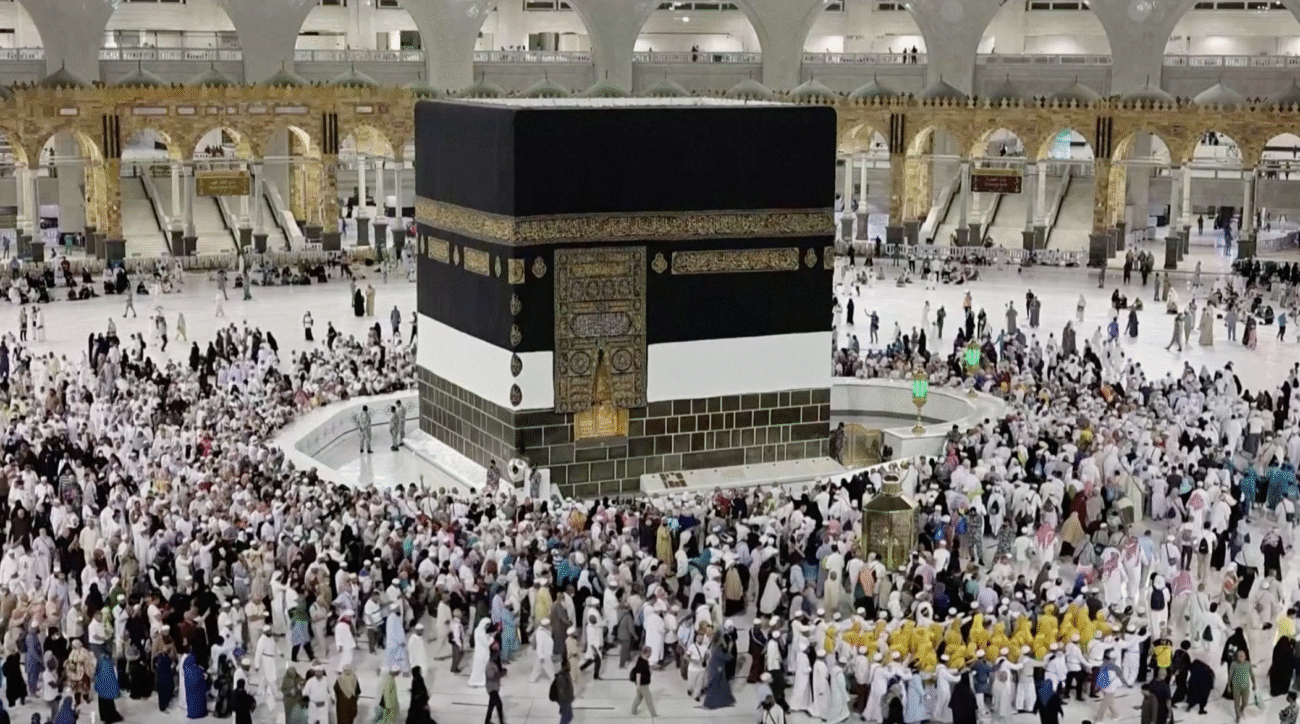
🕋 It Takes Only 116 Minutes to Perform Umrah – New Record in the Holy Mosque
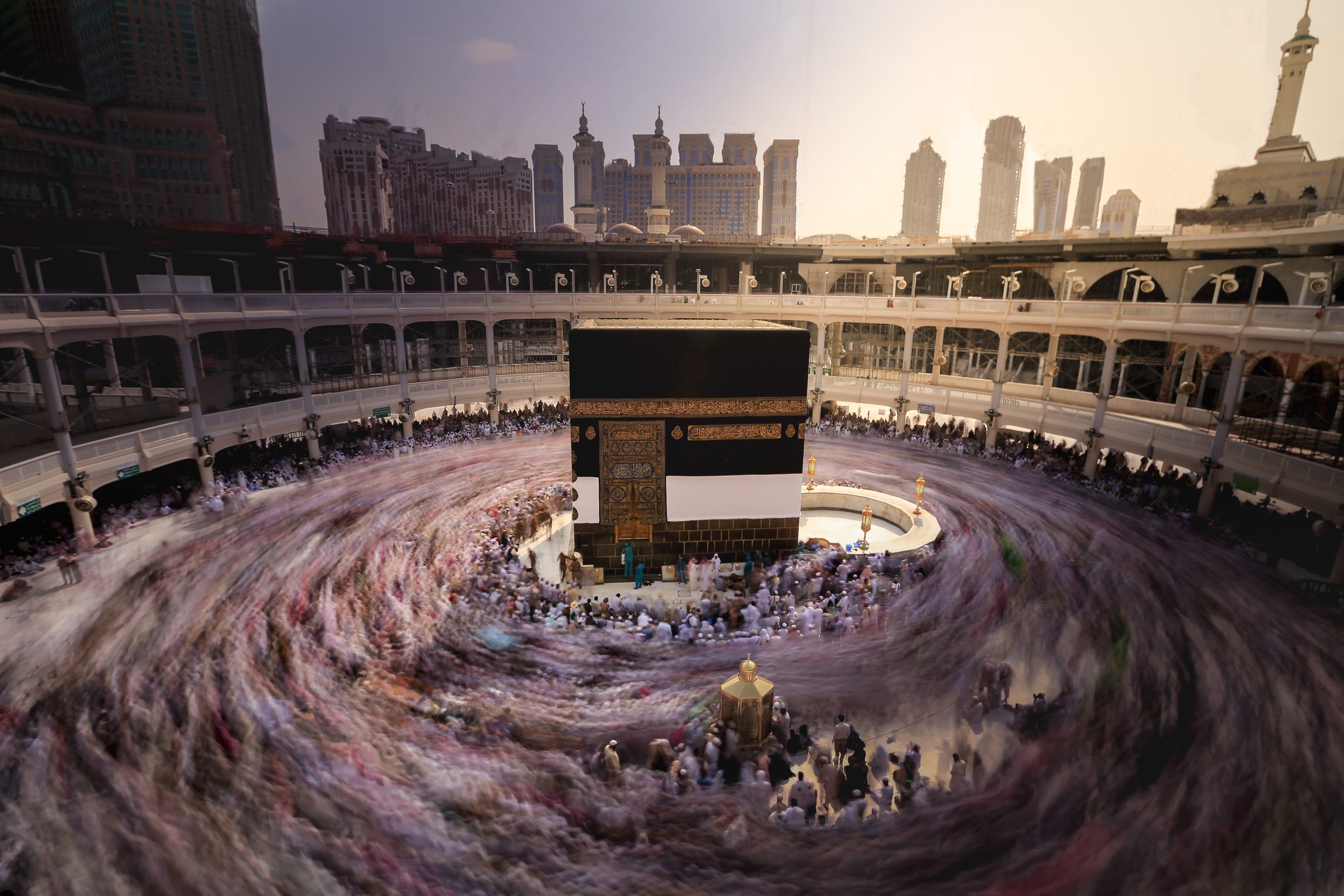
Performing Umrah — the lesser pilgrimage that millions of Muslims around the world long to complete — has recently reached a remarkable new level of efficiency. According to a recent report, the average time required to perform Umrah in the Grand Mosque of Makkah (Masjid al-Haram) has now been reduced to just 116 minutes.
This achievement highlights not only technological advancement but also the successful management and organization of the Saudi authorities who continue to modernize facilities for worshippers.
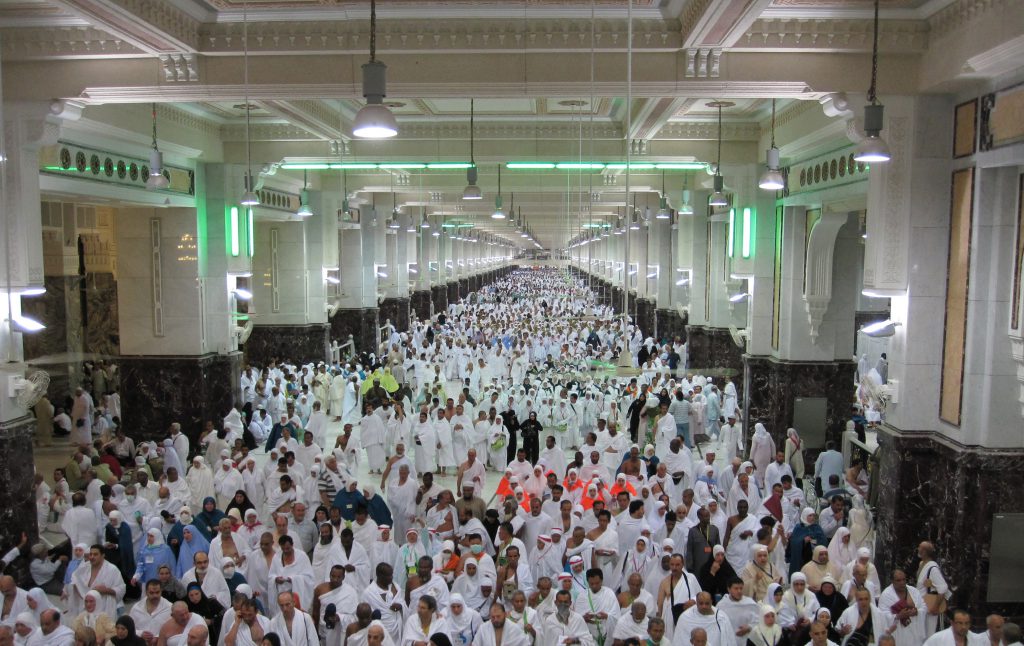
🕰️ What Is Umrah and Why Time Efficiency Matters
Umrah, often referred to as the “minor pilgrimage,” can be performed at any time of the year, unlike Hajj. It consists of four main rituals — Ihram, Tawaf (circumambulation of the Kaaba), Sa’i (walking between Safa and Marwah), and Taqsir or Halq (hair trimming or shaving).
Traditionally, these rituals could take several hours, depending on the crowd and conditions. However, reducing the total time to 116 minutes means that pilgrims can complete their worship more comfortably and peacefully.
🕌 How the 116-Minute Umrah Became Possible
The credit for this major improvement goes to the General Authority for the Affairs of the Two Holy Mosques and other Saudi agencies managing pilgrim services. Here’s how they made it possible:
-
Improved Crowd Management:
With the use of advanced surveillance and artificial intelligence systems, authorities can now monitor and control crowd movement in real-time. -
Smart Scheduling System:
Pilgrims are assigned specific time slots to perform Tawaf and Sa’i, reducing congestion and ensuring a smooth flow. -
Digital Umrah Platforms:
Apps such as Nusuk and Tawakkalna allow worshippers to register, plan, and track their pilgrimage digitally — minimizing confusion and saving time. -
Expanded Mosque Capacity:
The Grand Mosque’s massive expansion project allows millions of people to perform rituals simultaneously without bottlenecks. -
Enhanced Transportation Systems:
Fast electric buses, special pilgrim routes, and designated parking areas have cut down on waiting time before and after Umrah.
🌙 Experience of Pilgrims
Many pilgrims have expressed their gratitude for how organized and peaceful their experience has become. According to testimonials, even during peak seasons, the process feels smoother than ever before.
One pilgrim said,
“In the past, we spent hours just trying to move between Safa and Marwah. Now everything feels calm and well-guided. Completing Umrah in less than two hours feels like a blessing.”
Another visitor shared,
“The digital system really helps. We received notifications for our time slot and directions to each section of the mosque.”
🧭 The Vision Behind Modernizing Umrah
This progress aligns with Saudi Vision 2030, an ambitious national plan to enhance religious tourism and improve facilities for millions of visitors. The Kingdom aims to welcome 30 million Umrah pilgrims annually by the end of this decade.
To achieve this, they are continuously upgrading infrastructure, from airport arrivals to hotel systems and digital guidance. The focus is on comfort, safety, and spiritual satisfaction.

🌟 The Spiritual Essence of Performing Umrah in Modern Times
Even as modern technology and crowd management systems redefine the Umrah experience, the spiritual value of the pilgrimage remains timeless. Every step a pilgrim takes within the sacred boundaries of Makkah carries profound meaning — a reminder of the sacrifices of Prophet Ibrahim (AS), Hajar (AS), and their son Ismail (AS). For many Muslims, performing Umrah is not just about reaching a destination, but about rediscovering their inner peace, repentance, and connection with Allah. The feeling of walking on the same ground where centuries of faith have blossomed fills hearts with gratitude and humility. The new 116-minute average completion time simply enhances the opportunity for more believers to experience that same sense of closeness to their Creator without physical hardship.
🌙 Emotional Connection of Pilgrims with Masjid al-Haram
Every pilgrim who visits Masjid al-Haram carries a unique story. Some come seeking forgiveness, others come with hopes for a better future, healing, or peace. Despite the shorter time required to perform the rituals, the emotional depth of Umrah remains the same — powerful and transformative. Pilgrims often describe the moment they first see the Kaaba as one of overwhelming emotion; tears flow freely, hearts tremble, and tongues whisper prayers filled with sincerity. Even in this age of modernization, the emotional connection between the believer and the sacred house of Allah remains untouched. The organized flow and efficient systems only allow pilgrims to focus more deeply on their prayers and spiritual reflection, rather than on logistics or exhaustion.
🕋 Historical Perspective: From Generations of Pilgrims to Digital Transformation
Historically, the journey to Makkah was one of endurance and immense patience. Centuries ago, pilgrims would travel across deserts and mountains for weeks or months, often on foot or by camel. Today, through air travel and digital planning, millions arrive in comfort and safety. This transformation from hardship to convenience is not merely technological advancement — it is part of a divine facilitation for the Ummah. By reducing the duration to 116 minutes, the Saudi authorities are not diminishing the essence of the rituals but are honoring the legacy of those who once faced countless challenges. It is a continuation of the story of faith — where effort and intention remain the most valued acts of worship.
⚙️ The Role of AI and Data Systems in Serving Pilgrims
Behind the success of performing Umrah in such a short duration lies a remarkable network of technology and management. Artificial intelligence systems monitor crowd density through cameras and sensors installed around the mosque. Data from these systems allows authorities to adjust pathways, open new gates, and redirect groups of pilgrims smoothly. Smart ID bracelets store personal and medical information for each pilgrim, ensuring quick assistance in case of emergencies.
Mobile applications like Nusuk and Eatmarna have revolutionized the process by allowing pilgrims to book their slots for rituals, check real-time crowd status, and even locate their companions. These intelligent systems are a reflection of how faith and innovation can coexist harmoniously to enhance one of the world’s oldest religious traditions.
🌍 The Global Impact and Economic Significance of Umrah Reforms
The modernization of Umrah also plays a major role in Saudi Arabia’s Vision 2030 — a plan to diversify the economy by boosting religious tourism. The Kingdom aims to welcome up to 30 million Umrah pilgrims annually by 2030. This surge contributes to hospitality, transport, retail, and service sectors, making it a central pillar of the national economy. More hotels, restaurants, and facilities are being built to accommodate the growing number of visitors.
Yet beyond economics, the global Muslim community benefits immensely — as more people from Africa, Asia, Europe, and the Americas can now plan affordable and efficient pilgrimages. With shorter performance times and improved logistics, Umrah is no longer limited to those with months of free time; even working professionals and students can now fulfill their dream of visiting the House of Allah.
💫 A Journey Beyond Time – The Eternal Message of Faith
Despite the reduced duration, Umrah remains an act that transcends time. Whether it takes hours or days, its spiritual impact lasts a lifetime. The 116-minute record is not just about speed; it represents the blessings of ease and facilitation from Allah. The comfort and accessibility provided to pilgrims today are a sign of how faith adapts and grows with human progress. The essence of Umrah — humility, repentance, and devotion — remains unchanged. Each pilgrim who completes the journey leaves Makkah with renewed faith and an awakened heart. As they return to their homelands, they carry with them the fragrance of Zamzam, the peace of Tawaf, and the light of guidance that only the sacred experience of Umrah can provide.
🌍 A Global Impact for Muslim Pilgrims
The reduction in Umrah duration has a global significance. With shorter performance times, more people can participate daily, especially during high-demand months like Ramadan and Dhul Hijjah.
This means:
-
Reduced waiting times at the Grand Mosque
-
More manageable crowd sizes
-
Lower stress levels for elderly and disabled pilgrims
-
Better health and safety control measures
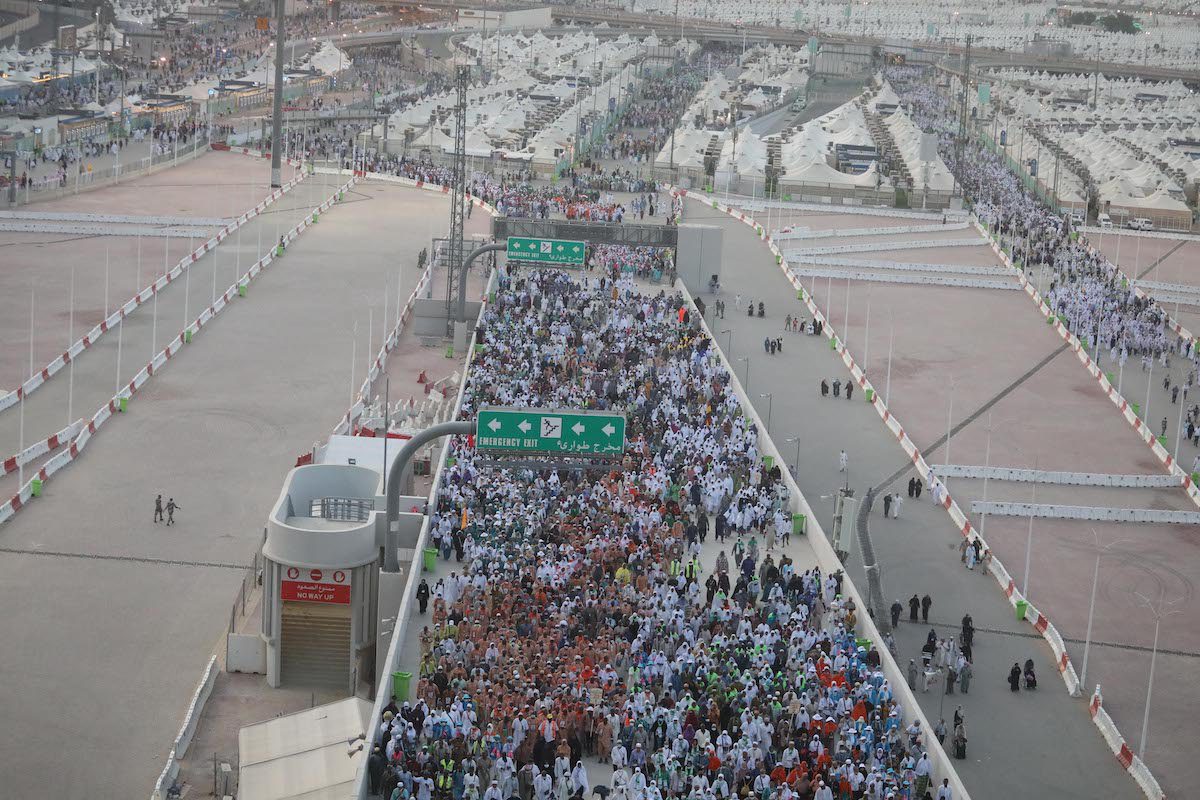
📱 Technology and the Future of Pilgrimage
Saudi Arabia’s use of AI, data analytics, and mobile apps continues to transform religious travel. Technologies such as:
-
Smart bracelets to track pilgrims’ location and health status
-
AI-powered crowd prediction tools
-
Real-time translation services
are making the holy journey more accessible than ever.
Officials have also announced plans for drone surveillance and automated cleaning systems in the mosque to ensure the highest hygiene and order.
💠 Sustainability and Clean Energy Efforts
In addition to technological upgrades, authorities are also focusing on sustainability. Many facilities within the mosque now use solar-powered systems, water recycling, and environmentally friendly materials to support eco-conscious pilgrimage management.
This helps preserve the sanctity of the holy sites while protecting the environment for future generations.
🙏 Spiritual Value of Time Efficiency
While modernization has reduced the time needed to perform Umrah, scholars remind pilgrims that spiritual sincerity remains the core of the act. Completing rituals in 116 minutes doesn’t mean rushing — instead, it reflects how organization allows for a calm and focused experience.
The true value of Umrah lies in devotion, humility, and prayer, not in the minutes spent performing it.
✈️ Future Expectations for Umrah Services
Looking ahead, Saudi Arabia plans to expand digital pilgrim services even further:
-
Smart Hajj and Umrah Cards integrating all travel, hotel, and ritual data.
-
AI-powered guidance robots for crowd navigation.
-
Voice translation kiosks for pilgrims from non-Arabic-speaking countries.
-
Faster visa processing for pilgrims worldwide through digital portals.
Such measures will make it even easier to complete Umrah peacefully, comfortably, and efficiently.
📸 Visual Improvements at the Grand Mosque
New architectural enhancements at Masjid al-Haram have increased capacity, including:
-
Wide open marble floors for Tawaf.
-
Extended air-conditioned corridors between Safa and Marwah.
-
Smart lighting systems that reduce energy use while maintaining illumination.
All of these contribute to a more pleasant and efficient pilgrimage experience.
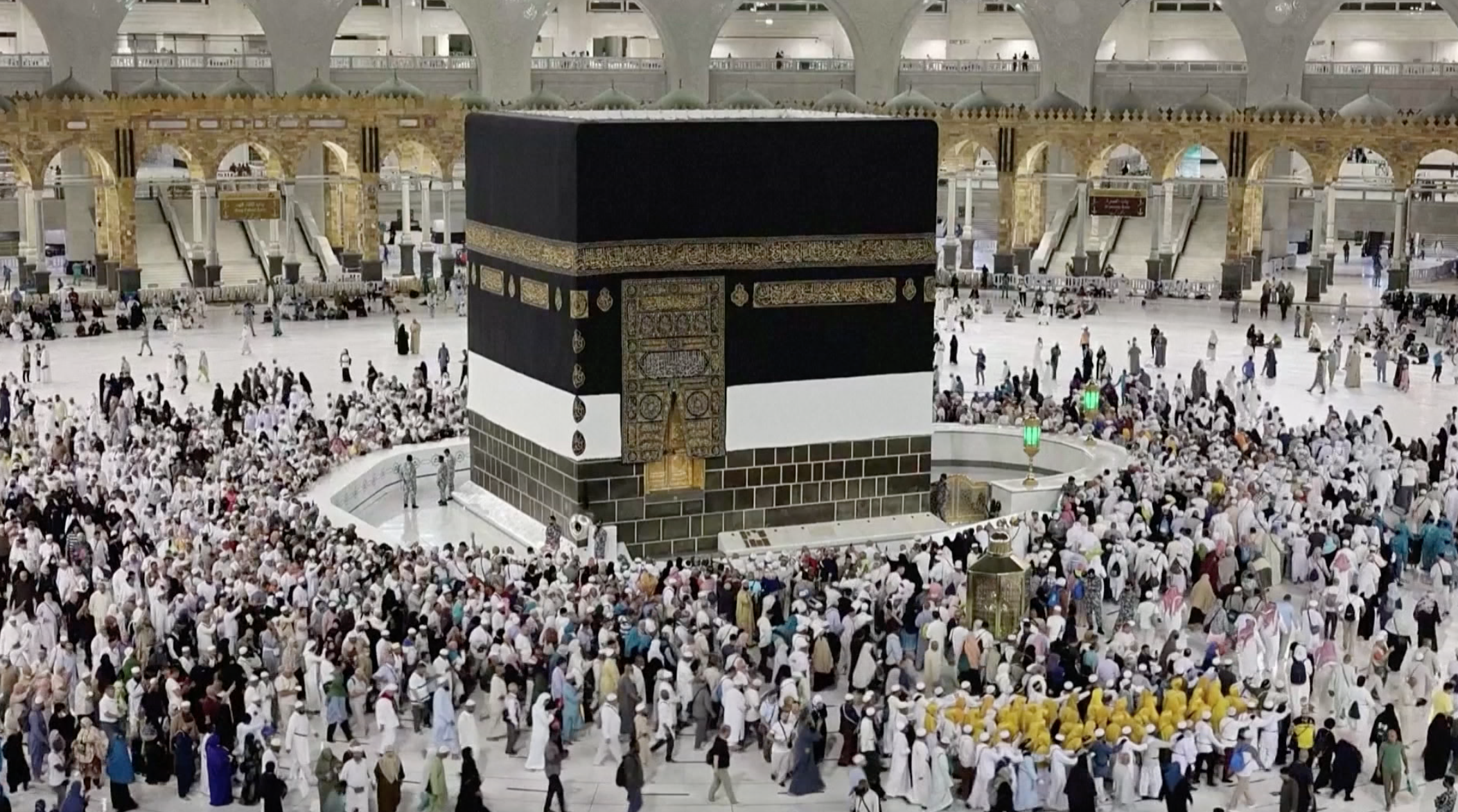
The rapid transformation of the Umrah experience reflects not only the efficiency of modern Saudi infrastructure but also the Kingdom’s growing commitment to the well-being of global pilgrims. Each year, millions of believers arrive in Makkah with hearts full of faith, and now, instead of waiting in long queues or facing logistical hurdles, they are guided through a seamless process that combines spirituality with comfort. This harmony between tradition and technology demonstrates that Islam continues to thrive in every era, embracing tools that make the journey of worship more meaningful and accessible.
Walking through the marble floors of Masjid al-Haram, pilgrims now witness a new rhythm in the air. Smart screens, guiding lights, and trained volunteers gently direct the flow of movement while preserving the sanctity of the sacred rituals. The once overwhelming crowds are now coordinated in well-timed waves of devotion, ensuring that every individual—whether from Asia, Africa, or Europe—has equal opportunity to perform Umrah with peace and focus. This organization not only enhances safety but also allows worshippers to feel more spiritually present at each stage of the pilgrimage.
The emotional significance of this development cannot be understated. For many Muslims, Umrah is not merely a ritual but a lifelong dream—an act of love and surrender to Allah. The ability to fulfill this dream within 116 minutes adds a layer of gratitude and awe. It also ensures that elderly pilgrims and those with health challenges can participate more easily, reducing fatigue and maximizing their ability to engage in dhikr, du’a, and Qur’an recitation. For them, what once seemed like a test of endurance has become a smooth, soul-lifting experience.
Furthermore, the shorter completion time highlights Saudi Arabia’s success in implementing its Vision 2030 objectives—particularly those aimed at improving religious tourism and hospitality. Investments in high-speed transportation, multilingual assistance, medical support, and sustainable facilities have redefined the concept of pilgrimage management. The focus on environmental responsibility, such as eco-friendly cleaning systems and digital documentation, shows that the modernization of Umrah is not just about speed but also about stewardship and respect for the Holy Land.
Beyond the walls of the Grand Mosque, the local economy and community also feel the positive effects. Businesses offering accommodation, transportation, and food services benefit from the smoother pilgrim flow, while local guides and volunteers gain new employment opportunities. The spiritual tourism industry has become a pillar of sustainable growth for the Kingdom, creating a balanced ecosystem that merges economic vitality with faith-based service. Each pilgrim’s journey becomes a ripple in this growing wave of cultural, spiritual, and economic harmony.
Perhaps the most profound outcome of this 116-minute milestone is its reminder that faith and innovation can coexist beautifully. The message is clear: efficiency need not replace spirituality—it can elevate it. When systems are designed to reduce stress and confusion, the mind and heart are freer to connect with Allah. The silence of a smoother Tawaf, the clarity of a well-guided Sa’i, and the serenity of an organized crowd—all bring believers closer to the divine essence of Umrah. This is not a story of numbers or time—it is the story of devotion evolving with wisdom and compassion.
Frequently Asked Questions
Below are 20 detailed FAQs about the reported average of 116 minutes to perform Umrah. Use these on your blog (Mehru Blogs) as an FAQ section, or paste directly into WordPress FAQ blocks. Each question is followed by a concise, SEO-friendly answer.
1. What does it mean that Umrah now takes only 116 minutes?
It means that, on average, pilgrims can complete the key rituals of Umrah — Ihram, Tawaf, Sa’i, and Halq/Taqsir — within approximately 116 minutes, thanks to improved crowd management, scheduling and infrastructure at Masjid al‑Harām.
2. Is the 116‑minute Umrah available to everyone?
Yes. The improved systems benefit registered pilgrims — both residents and international visitors — who use official platforms such as Nusuk, Eatmarna and government booking portals.
3. Who announced the 116‑minute Umrah achievement?
The General Presidency for the Affairs of the Two Holy Mosques and other Saudi management bodies reported the average timing based on internal data and pilgrim flow monitoring.
4. How is it possible to perform Umrah so quickly?
Advanced crowd‑control systems, slot booking apps, expanded mosque capacity, trained guides, and AI‑based monitoring all contribute to streamlining the rituals and reducing waiting times.
5. Does performing Umrah faster reduce its spiritual value?
No. Spiritual reward depends on sincerity (niyyah) and devotion. A shorter duration only reduces logistical hardships and lets pilgrims focus more fully on worship.
6. Can I still take my time performing Umrah?
Absolutely. Pilgrims may choose a relaxed pace. The 116‑minute figure is an average that reflects smoother operations — not a mandatory time limit.
7. What are the main steps of Umrah?
The four core steps are: 1) Entering Ihram, 2) Performing Tawaf around the Kaaba, 3) Performing Sa’i between Safa and Marwah, and 4) Completing Halq (shaving) or Taqsir (trimming).
8. What is the difference between Umrah and Hajj?
Umrah can be performed any time of year; Hajj is a mandatory pilgrimage during specified days in Dhul‑Hijjah and has stricter rituals and larger scale requirements.
9. Does the 116‑minute record apply during Ramadan?
Not necessarily. During peak periods like Ramadan and Hajj season, crowds increase and the time to perform Umrah may be longer than the average.
10. How does AI help in managing pilgrims?
AI analyzes camera feeds and sensor data to predict congestion, optimize entry/exit gates, and suggest route changes in real time to maintain steady flow and safety.
11. What apps are used for Umrah registration?
Official apps include Nusuk, Eatmarna, and Tawakkalna (where applicable). These apps enable slot booking, crowd status checks and essential travel information.
12. How has Saudi Vision 2030 impacted Umrah?
Vision 2030 targets large‑scale infrastructure, digital services, and hospitality upgrades — all designed to increase Umrah capacity and improve pilgrim experience by 2030.
13. Is there a limit to how many times a person can perform Umrah?
There is no formal upper limit; pilgrims may perform Umrah multiple times provided they follow the rules and obtain necessary visas and slots.
14. How does this improvement benefit elderly and disabled pilgrims?
Reduced crowds, designated lanes, electric carts, and better signage make rituals safer and more accessible for elderly and differently‑abled pilgrims.
15. What is the average walking distance during Umrah?
Typical walking distance during Umrah (Tawaf + Sa’i + transfers) can range from 4–7 km depending on routes and pilgrim movement; improved routing reduces unnecessary walking.
16. Can families perform Umrah together?
Yes. Families can coordinate by booking the same time slot via booking platforms and entering through the same designated gates for group convenience.
17. How does Saudi Arabia ensure cleanliness in Masjid al‑Harām?
A large workforce, automated cleaning systems, scheduled sanitization, and smart waste management keep the mosque clean and operational 24/7.
18. What are the best times of year to perform Umrah quickly?
Off‑peak months such as Safar, Rabi al‑Awwal, and Jumada al‑Thani usually have lighter crowds and shorter completion times compared to Ramadan or Hajj season.
19. Does performing Umrah in less time affect its acceptance?
No. Acceptance of worship rests on intention and devotion. Timely performance does not change the spiritual validity of the rituals.
20. Will Umrah duration decrease further in the future?
Possibly. Ongoing investments in infrastructure, AI, and pilgrim services may further streamline the process — though authorities will balance efficiency with preserving ritual dignity and spiritual focus.

🌐 Conclusion
Completing Umrah in just 116 minutes is a remarkable achievement reflecting Saudi Arabia’s dedication to enhancing religious experiences through innovation, management, and faith-driven development.
It symbolizes a future where spiritual devotion and technological progress work hand in hand — allowing millions of Muslims to perform their sacred duty with peace, safety, and ease.
For more updates and inspirational articles, visit:
🌐 www.mehrublogs.com
📧 Email: mehrublogs@gmail.com
Follow us on social media:
