
Introduction
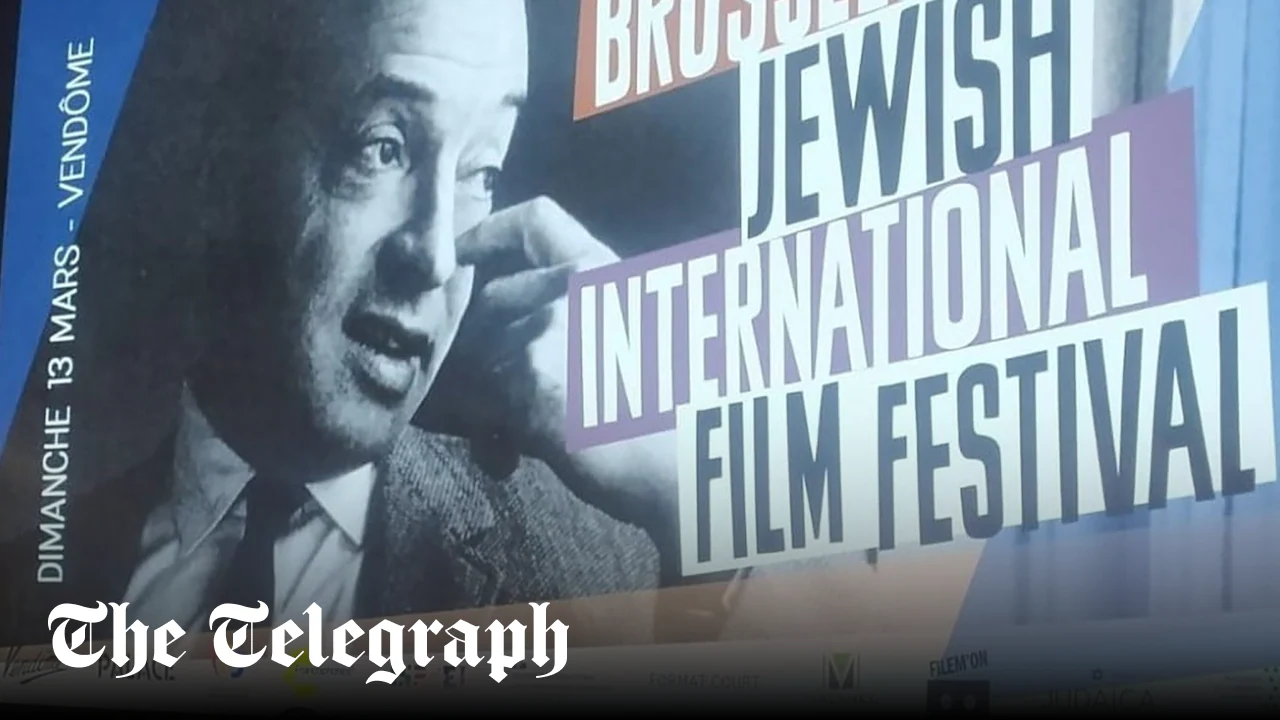
In a surprising and controversial move, the Jewish International Film Festival scheduled to be held in Malmö, Sweden, has been postponed indefinitely after several cinema chains refused to host the event. This unexpected decision has sparked widespread discussion in Sweden and across the world. Many see it as a setback to artistic freedom and a reflection of growing caution and cultural division in Europe.
Organizers of the festival expressed deep disappointment, noting that the event was designed to celebrate 250 years of Jewish life in Sweden. Instead, it has become a moment of national reflection about diversity, inclusivity, and the responsibilities of cultural institutions.

Purpose and Background of the Festival
The Jewish Film Festival was not merely a cinematic event; it represented a broader cultural celebration of Jewish heritage, resilience, and creativity. It aimed to present stories that connect people through universal human experiences — such as love, loss, faith, survival, and hope.
The festival was expected to showcase a mix of local and international films — including documentaries, dramas, and independent productions. These works explored themes such as identity, historical memory, and intergenerational relationships within Jewish communities.
Organizers had spent months curating films from different countries to ensure that the lineup reflected diversity, dialogue, and depth. Many local artists and film enthusiasts were excited about the event, which was supposed to take place in early autumn. However, the enthusiasm quickly turned to shock when all major cinemas declined to participate.

Why Cinemas Withdrew Support
The refusal of Malmö cinemas to host the event came as a surprise to both the organizers and the public. Several theatres, including Filmstaden — the largest cinema chain in Sweden — stated that their decision was based on “security concerns.” According to them, hosting the festival could pose risks to audiences and staff.
However, festival organizers and many cultural observers questioned this reasoning. There were no credible threats reported by Swedish authorities, no warnings from security agencies, and no history of violent incidents associated with Jewish cultural events in the city.
This led many to conclude that the refusals were not about security, but about fear — fear of potential controversy or political sensitivities. The result was seen as a form of silent censorship, where institutions prefer to avoid risk rather than stand up for inclusion and artistic freedom.

Reaction from Organizers and Cultural Leaders
The organizers publicly condemned the decision, calling it a “failure of courage.” They argued that Sweden has long been a symbol of tolerance and democracy, and that backing away from a peaceful cultural festival contradicts these values.
Festival co-founder Ola Tedin stated that he had never imagined such resistance in a modern European society. He emphasized that the festival was apolitical and aimed only to promote art and dialogue.
Cultural activists, artists, and filmmakers across Sweden echoed this sentiment. Many noted that by refusing to host a Jewish cultural event, cinema chains inadvertently sent the wrong message about Sweden’s commitment to freedom and equality.
Media Coverage and Public Discussion
The postponement quickly made headlines in national newspapers and international media. Editorials debated whether the cinemas acted responsibly or cowardly. Some writers defended the decision, arguing that the safety of staff and patrons must always come first. Others criticized it, calling it an act of moral weakness.
In social media debates, opinions were divided. Some people sympathized with the organizers, insisting that freedom of expression is non-negotiable. Others pointed to rising global tensions and argued that security measures were justified.
Regardless of perspective, nearly everyone agreed that the situation reflected a deeper challenge: the growing difficulty of maintaining cultural openness in times of political and social polarization.

Jewish History and Presence in Sweden
To understand the importance of this event, it’s vital to appreciate the long and proud history of Jewish life in Sweden. Jewish families have lived in the country for over two centuries, contributing to its economy, science, and culture.
Throughout history, Swedish Jews have played an essential role in promoting education, literature, and interfaith dialogue. Many Jewish individuals have been at the forefront of Swedish innovation, art, and philanthropy.
Malmö, the city at the center of this controversy, has one of Sweden’s oldest Jewish communities. However, in recent years, concerns about antisemitism have increased. Reports of harassment and prejudice have emerged, creating unease among Jewish residents. The film festival was intended to serve as a bridge — an opportunity to replace fear with understanding and silence with dialogue.
A Reflection of Cultural Fear
The festival’s cancellation reveals a troubling truth about modern societies: fear can silence art more effectively than censorship. Even when there is no direct threat, the mere perception of risk can lead institutions to withdraw from meaningful cultural engagement.
Experts in cultural studies argue that this is a growing trend. When organizations prioritize avoiding controversy over promoting expression, they allow fear to shape the public space. This erodes trust, limits creativity, and sends a discouraging signal to minority communities.
Freedom of expression must be defended not only when it is easy, but especially when it is difficult. True inclusion means giving every community — regardless of religion or background — the same platform to share their stories.
Government and Institutional Responsibility
The Swedish government now faces questions about whether it has done enough to support freedom of culture and artistic expression. Cultural organizations have urged officials to establish stronger safeguards to prevent similar incidents in the future.
Some lawmakers have suggested that municipalities provide public spaces or security funding for cultural events that private companies refuse to host. They argue that cultural expression is a public good — not a private risk — and that it deserves state protection when necessary.
The Swedish Ministry of Culture has acknowledged the concerns and said it will examine policies to ensure equal opportunities for minority communities. This could include financial support, better security planning, and education campaigns promoting tolerance.
International Reaction
The postponement of the festival has sparked international debate and concern. Jewish organizations across Europe and North America expressed disappointment, urging Sweden to reaffirm its commitment to diversity.
Film associations and human rights groups highlighted that this issue is not unique to Sweden. Across the world, artists and cultural institutions often face indirect censorship — not through bans, but through hesitation and avoidance.
The story of the Malmö festival has become a symbol of a broader struggle: how to maintain openness in societies that are increasingly cautious and divided.
Role of Art in Bridging Divides
Art and film have always played a crucial role in promoting empathy and understanding. They help societies see beyond stereotypes and connect on a human level. The Jewish Film Festival aimed to do exactly that — to present life stories that transcend religion and nationality.
By postponing the event, an important opportunity for dialogue was lost. Yet, the conversation it sparked may achieve the same purpose in another way. Discussions about freedom, tolerance, and responsibility are now taking place more openly than before.
In this sense, the controversy might serve as a reminder that art cannot be silenced forever. It adapts, it evolves, and it continues to inspire change.
Artists’ Resilience and Future Plans
The organizers of the festival remain committed to their mission. Plans are being made to host an online version of the event, allowing people from across the world to view the films safely from their homes.
Several cultural centers in neighboring cities have offered to collaborate, showing solidarity and ensuring that the event’s message is not lost. Donations and community support have poured in from across Sweden and Europe.
The resilience of these artists and organizers demonstrates the enduring power of art. When institutions close their doors, creativity finds another way to reach people.
Lessons for Sweden and the World
The incident in Malmö offers important lessons about courage, culture, and coexistence. It shows that freedom of expression cannot survive if society treats it as optional.
Institutions must recognize that promoting diversity sometimes means taking moral — not just financial — risks. Governments, in turn, must protect cultural expression as a cornerstone of democracy.
Sweden has long been known for its values of openness and equality. How it handles this controversy will determine whether those values remain strong or begin to fade under the pressure of fear.
Conclusion
The postponement of the Jewish Film Festival in Malmö is more than just a scheduling issue — it’s a reflection of deeper questions about identity, responsibility, and moral courage. The organizers tried to bring people together through film, but the response from cinemas revealed the challenges of practicing tolerance in an uncertain world.
Sweden now stands at a turning point. It can choose to reinforce its democratic ideals by protecting art and diversity, or it can allow fear to quietly define its cultural boundaries.
Art remains one of humanity’s most powerful tools for empathy and connection. Even when postponed or rejected, its message persists — urging us all to defend freedom, embrace understanding, and build societies where every voice has the right to be heard.
FAQs About the Jewish Film Festival in Sweden
1. Why was the Jewish Film Festival postponed?
The festival was postponed because major cinemas in Malmö refused to host it, citing security concerns. Organizers and cultural activists dispute this reasoning, saying there were no actual threats or safety warnings.
2. Was the festival political in nature?
No, the festival was not political. It was meant to celebrate Jewish culture and art through film, highlighting universal themes such as identity, hope, and coexistence.
3. How have Swedish citizens reacted to the cancellation?
Public reactions were mixed. Some supported the organizers and called for artistic freedom, while others agreed with the cinemas’ cautious approach. The issue sparked a national debate about tolerance and inclusivity.
4. What are the organizers planning next?
The organizers plan to hold an online version of the festival and are exploring new venues in other cities. They have also received support from international communities and donors.
5. What impact does this have on Sweden’s image?
The incident has raised questions about Sweden’s reputation as a defender of freedom and multiculturalism. Many believe the country must take stronger steps to protect minority cultural events.
6. Why is this story important globally?
It represents a wider struggle between freedom of expression and social fear. Similar challenges are being faced by artists worldwide as societies navigate rising polarization and security anxieties.
7. What lessons can be learned from this event?
The most important lesson is that diversity and artistic freedom require active defense. Institutions must be brave enough to support cultural dialogue even when it feels uncomfortable or risky.
Visit www.mehrublogs.com or email mehrublogs@gmail.com for more articles, insights, and cultural discussions.
Follow us on social media:
