
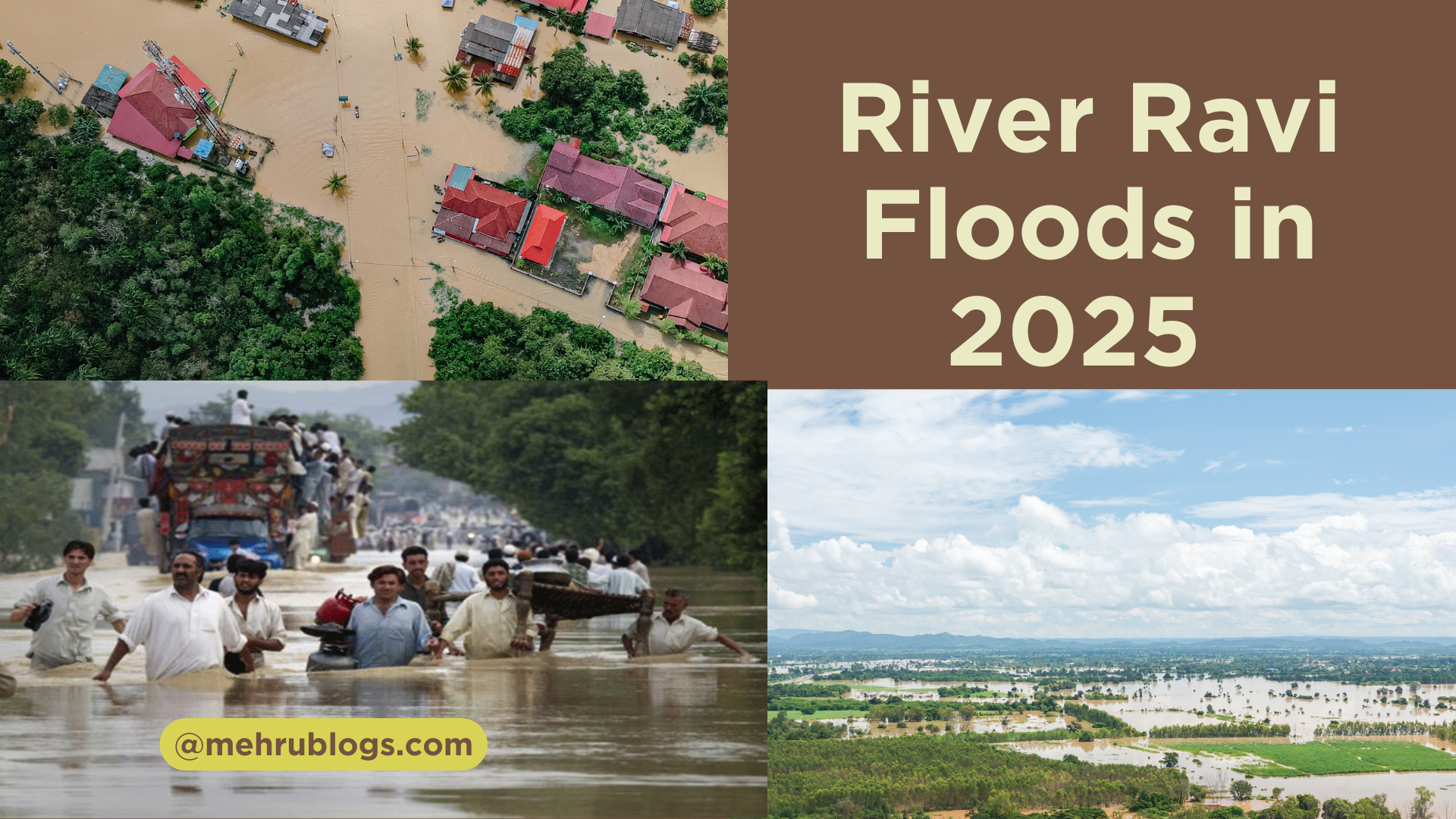
River Ravi Floods in 2025: After Evacuation Warning by Authorities in Lahore, Pakistan
The River Ravi floods in Lahore 2025, Pakistan, following heavy monsoon rains and evacuation warnings in 2025. Learn about causes, impacts, and response efforts
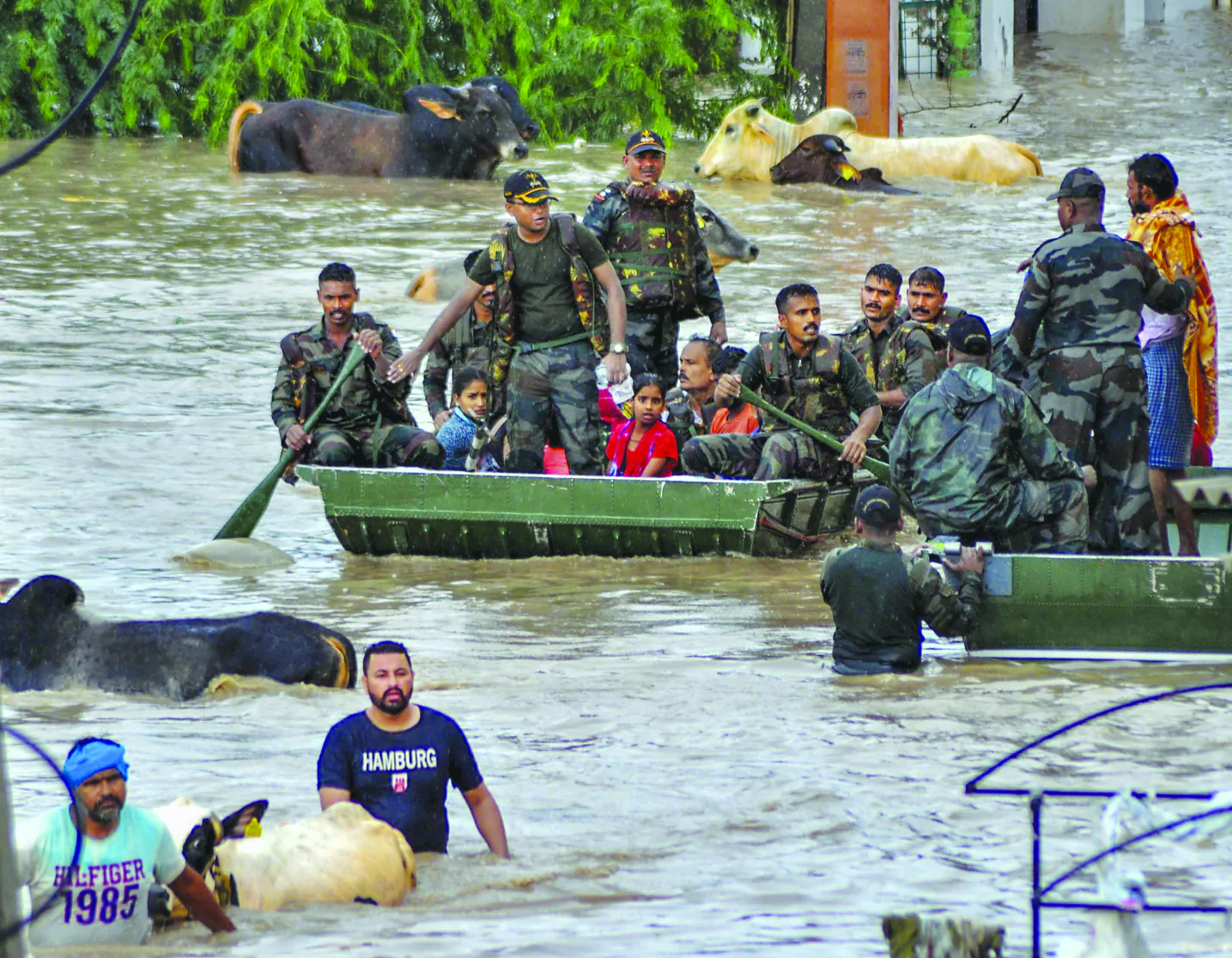
In the heart of Pakistan’s Punjab province, the River Ravi has once again become a force of nature’s fury, swelling beyond its banks and prompting urgent evacuation warnings from authorities. As of August 27, 2025, Lahore, the cultural and economic hub of Pakistan, finds itself on high alert amid escalating flood risks. This River Ravi flood 2025 event, triggered by heavy monsoon rains and cross-border water releases, has displaced thousands and highlighted the vulnerabilities of urban and rural communities alike. With evacuation orders in full swing, residents are grappling with the immediate threats to life, property, and livelihoods. This article delves into the causes, impacts, response efforts, and broader implications of the Lahore flood evacuation, providing a comprehensive overview for those seeking updates on Pakistan monsoon floods.
Understanding the Causes of the River Ravi Floods 2025
The current flooding in the River Ravi is a confluence of natural and human-induced factors, exacerbating what has become an annual challenge during Pakistan’s monsoon season. Heavy monsoon rains, which typically span from June to September, have been particularly intense in 2025, leading to widespread overflow in eastern rivers. According to reports, the Pakistan Meteorological Department has forecasted increased rainfall intensity over the Ravi, Chenab, and Sutlej rivers, with urban flooding risks in major cities like Lahore, Rawalpindi, and Gujranwala.
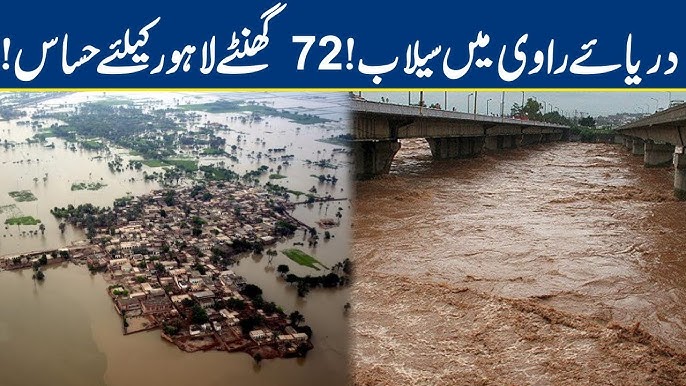
A significant trigger for this crisis has been the release of water from dams in neighboring India. Pakistani authorities claim that India opened all gates of the Thein Dam on the Ravi River, releasing approximately 210,000 cusecs of water into Pakistan. A second warning followed regarding the Madhopur Dam, also on the Ravi, which was rapidly filling due to upstream rains. Satellite imagery assessed by Pakistan’s National Disaster Management Authority (NDMA) showed the Thein Dam at 97% capacity, prompting fears of uncontrolled spillway openings. This cross-border water management issue has historical roots, stemming from the division of Punjab during the 1947 partition, where rivers shared between India and Pakistan often lead to downstream flooding in Pakistan when upstream dams release excess water during monsoons.
Climate change plays a pivotal role here, as noted by Punjab’s irrigation minister, Kazim Raza Pirzada. He stated that eastern rivers are experiencing heavier rainfall patterns than in previous years, attributing this shift to global warming. This aligns with broader trends in South Asia, where erratic monsoons and glacial melting in regions like Gilgit-Baltistan contribute to river swelling. For instance, accelerated glacial lake outburst floods (GLOFs) in northern Pakistan have compounded the pressure on downstream waterways.
The Ravi River, which originates in India and flows through Lahore before joining the Chenab, is particularly susceptible. Unlike the Chenab, which maintains a steady flow, the Ravi is often reduced to a trickle in Pakistan due to upstream diversions, making sudden surges devastating. Current measurements indicate high flood levels at Jassar (142,000 cusecs) and medium levels at Shahdara (56,000 cusecs), with predictions of very high floods passing through Jasar Shahdara and Head Baloki within 48 hours.
Evacuation Warnings and Immediate Actions in Lahore
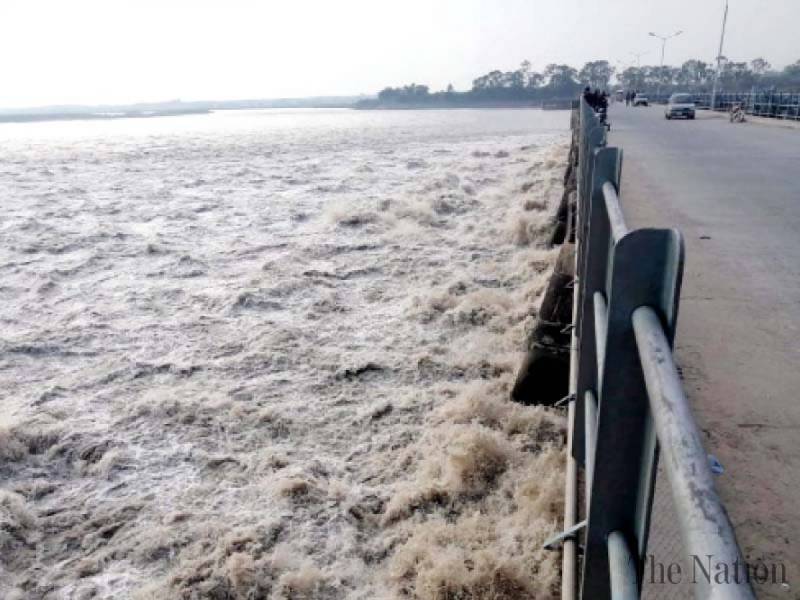
As the River Ravi’s waters rose alarmingly, authorities issued evacuation warnings starting from mid-August 2025, escalating to forced relocations by August 26. The NDMA and Provincial Disaster Management Authority (PDMA) Punjab have been at the forefront, urging residents in low-lying areas to vacate immediately. In Lahore, announcements via loudspeakers and social media have sparked alarm, with the river reaching dangerous levels near Shahdara and threatening urban suburbs.
Specific housing societies along the Ravi basin have been identified as high-risk zones. These include New Metro City Ravi, River Edge, Kingdom Valley Lahore, Iqbal Garden, Chahar Bagh, Al Rehman Garden, Al Karam Garden, and Green Land Residencia. Residents in these areas were advised to remain cautious, avoid unnecessary travel, and prepare for immediate relocation to safer locations. Social media posts amplified these warnings, sharing visuals of swelling waters and urging prioritization of safety.
By August 26, over 150,000 people had been evacuated from Punjab’s flood-prone areas, including 89,868 from Bahawalnagar, 14,140 from Kasur, 2,063 from Okara, 873 from Pakpattan, 361 from Bahawalpur, and 165 from Vehari. An additional 40,000 moved voluntarily after initial alerts, and 24,000 were relocated from the floodplains of the Indus, Chenab, Ravi, and Sutlej rivers since Saturday. Punjab Chief Minister Maryam Nawaz ordered swift evacuations for communities near rivers, emphasizing the protection of lives and property.
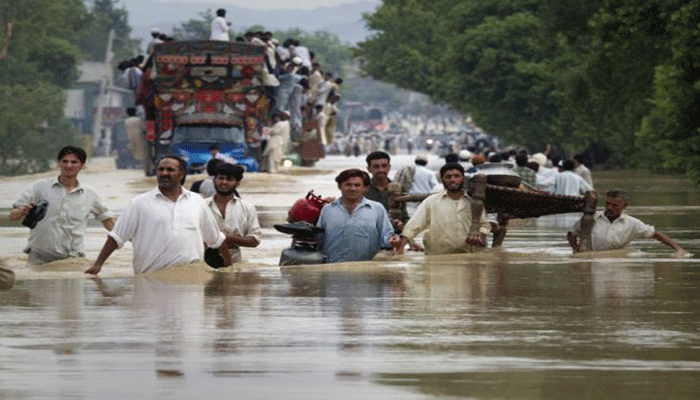
The PDMA instructed districts adjacent to the Ravi to implement emergency measures, with agencies on high alert. Citizens were cautioned to stay away from rivers, drains, and low-lying areas, while unnecessary travel was discouraged. In Kasur, 72 villages and 45,000 residents were directly impacted, with water levels in the Sutlej also rising to 208,973 cusecs.
Impacts on Lahore and Surrounding Punjab Regions
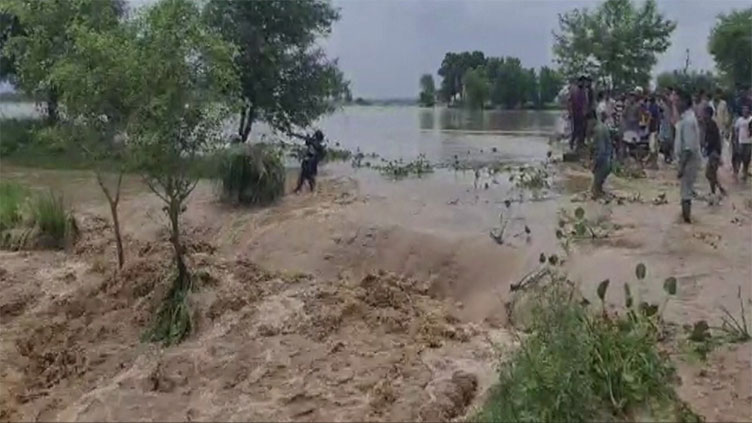
Lahore, home to over 11 million people, faces dual threats: riverine flooding from the Ravi and urban flooding from intense local rains. The city’s drainage systems, often overwhelmed during monsoons, have led to partial submergence in areas like Shahdara and low-lying suburbs. Videos circulating on platforms show Ravi’s waters breaching banks at Lakhanpur, posing risks to downstream districts.
Beyond Lahore, the floods have wreaked havoc across Punjab’s agricultural heartland. Ten districts—Kasur, Pakpattan, Narowal, Vehari, Bahawalnagar, Okara, Lodhran, Multan, Muzaffargarh, and DG Khan—are on high alert. The Ravi, Chenab (exceptionally high flood), and Sutlej (very high flood) have forced evacuations in hundreds of villages, particularly around Pasrur near the Indian border, where 16 villages are at immediate risk.
The human toll is staggering. Nationwide, the 2025 monsoon has claimed 799 lives, injured over 1,000, and displaced 29,311 people as of August 26. In Punjab alone, 165 deaths and 584 injuries have been reported. Economic impacts are severe, with crops in the “breadbasket” of Pakistan—home to half of its 240 million population—under threat. Livestock losses number in the thousands, and infrastructure damage includes roads, bridges, and homes. In Kasur, the discharge of 250,000 cusecs from the Ravi at Kot Nainan has inundated farmlands.
Urban areas like Lahore are also battling flash floods, with predictions of more rain intensifying the crisis. Social media snippets highlight the chaos, sharing videos of Ravi swelling, putting Shahdara at risk.
Government and Humanitarian Response to the Crisis
The Pakistani government has mobilized a multi-faceted response, with Prime Minister Shehbaz Sharif ordering swift evacuations and relief. Over 174,000 people have been safely relocated, with ongoing rescue operations in the worst-hit areas. The Punjab government requisitioned army troops for rescue and relief in six districts: Lahore, Faisalabad, Kasur, Sialkot, Narowal, and Okara. Preparations include 130 boats, 115 outboard motors, 500 rescue workers, 67 relief camps, 38 medical camps, and 46 veterinary centers. To date, 14,000 citizens and 17,000 livestock have been moved to safety.
The NDMA coordinates through its National Emergency Operations Center, dispatching 6,000 tents and 3,800 ration bags. Rescue 1122 has conducted over 520 operations in Punjab. Humanitarian partners like the United Nations Office for the Coordination of Humanitarian Affairs (OCHA), WHO, and UNICEF are providing health surveillance, hygiene kits, and WASH (water, sanitation, and hygiene) support. In Khyber Pakhtunkhwa and Gilgit-Baltistan, similar efforts address GLOFs and landslides.
Despite these measures, challenges persist: low uptake in relief camps due to concerns over livestock and school reopenings on September 1. Gaps in debris clearance, health services, and livelihood restoration remain, especially in remote areas.
Historical Context: Pakistan’s Recurring Flood Battles
Pakistan has a long history of devastating floods, with the 2010 super-floods affecting 20 million people and the 2022 floods displacing 33 million. The Ravi River has been central to many, including the 1988 and 1992 events that inundated Lahore. Cross-border tensions with India over water sharing, governed by the 1960 Indus Waters Treaty, often flare during monsoons. India maintains releases are necessary to prevent dam failures, while Pakistan views them as potential flashpoints, especially amid strained relations post-2019 Kashmir disputes.
The 2025 floods, with 802 deaths nationwide since late June (half in August), underscore ongoing vulnerabilities. In Indian Kashmir, 68 deaths have been reported, including eight on August 26, highlighting the regional scale.
The Role of Climate Change in Exacerbating Flood Risks
Climate experts warn that Pakistan, ranked among the top 10 countries vulnerable to climate change, faces increasing flood frequency. Warmer temperatures accelerate glacial melting in the Himalayas, feeding rivers like the Ravi. Erratic monsoons, influenced by phenomena like La Niña, bring intense, localized rains. Urban expansion in Lahore has encroached on floodplains, reducing natural absorption and worsening drainage issues.
Studies from organizations like the World Bank suggest investing in resilient infrastructure, such as improved dams, early warning systems, and afforestation, could mitigate risks. Community-based adaptation, including rainwater harvesting and elevated housing, is also crucial.
Prevention Measures and Future Outlook for Lahore Floods
To prevent future Ravi River floods, authorities must prioritize several strategies:
- Enhanced Early Warning Systems: Integrate satellite monitoring and AI-driven forecasts for timely alerts.
- Infrastructure Upgrades: Reinforce embankments along the Ravi and improve Lahore’s drainage to handle urban floods.
- Cross-Border Cooperation: Strengthen diplomatic channels under the Indus Waters Treaty for better water release coordination with India.
- Community Preparedness: Educate residents on evacuation plans and promote flood insurance.
- Sustainable Development: Regulate housing societies in flood-prone areas and promote green spaces to absorb excess water.
Looking ahead, with more rain predicted, the next 48 hours remain critical. Long-term, addressing climate change through global commitments like the Paris Agreement is essential for Pakistan’s flood resilience.
Personal Stories and Social Media Insights
Amid the crisis, social media has been a lifeline for updates and solidarity. Social media platforms shared videos of Ravi’s rising waters, with posts gaining thousands of views. These grassroots narratives humanize the disaster, showing families evacuating with belongings and communities rallying for relief.
Stay Connected for More Updates
In conclusion, the River Ravi floods following evacuation warnings in Lahore underscore the urgent need for proactive disaster management in Pakistan. As authorities and communities navigate this 2025 crisis, lessons learned could pave the way for a more resilient future. Stay informed, stay safe, and support relief efforts.
For more insights on environmental issues, Pakistan news, and personal blogs, visit my website: www.mehrublogs.com. Contact me at mehrublogs@gmail.com.
Follow me on social media:
- River Ravi Floods 2025: Latest Updates and News from Lahore
- Lahore Flood Evacuation 2025: Government Warnings and Safety Plans
- Pakistan Monsoon Floods 2025: Impact on Punjab and River Ravi
- How Severe Are the River Ravi Floods 2025 in Lahore?
- Lahore Flood 2025: Step-by-Step Evacuation Guide for Residents
- River Ravi Floods 2025: Affected Areas and Relief Efforts
- Pakistan Monsoon Floods 2025: Death Toll, Damage, and Rescue Operations
- Lahore Evacuation Plan 2025: What Every Family Needs to Know
- River Ravi Overflow 2025: Why Lahore Is at Risk of Flooding
- Monsoon Floods in Pakistan 2025: Real-Time Weather Updates
- River Ravi Floods 2025: Historical Comparison with Previous Disasters
- Lahore Floods 2025: Emergency Helplines and Relief Centers
- Pakistan Monsoon Floods 2025: Punjab’s Worst Affected Districts
- How to Stay Safe During River Ravi Floods 2025 in Lahore
- Lahore Flood Evacuation 2025: Government Announcements and Alerts
- Pakistan Monsoon Floods 2025: Climate Change and Heavy Rainfall Impact
- River Ravi Floods 2025: Drone Footage and Ground Reports from Lahore
- Lahore Floods 2025: Transportation, Roads, and Railways Affected
- Pakistan Flood Crisis 2025: International Aid and Relief Programs
- River Ravi Flood 2025: How Local Communities Are Responding
- Lahore Flood Evacuation 2025: What to Pack and Where to Go
- Pakistan Monsoon Floods 2025: Daily Situation Report
- River Ravi Floods 2025: Evacuation Camps and Shelter Locations
- Lahore Flood 2025: Emergency Medical and Health Concerns
- Pakistan Floods 2025: Agriculture, Crops, and Food Security at Risk
- River Ravi Floods 2025: Role of NDMA and Rescue 1122
- Lahore Evacuation Plan 2025: Top 10 Precautions Before Leaving Home
- Pakistan Monsoon Floods 2025: Major Rivers on High Alert
- River Ravi Floods 2025: Images and Videos of Rising Waters in Lahore
- Lahore Floods 2025: Impact on Education, Schools, and Universities
- Pakistan Floods 2025: Army and Police Rescue Operations in Punjab
- River Ravi Flood Warning 2025: NDMA and PMD Official Alerts
- Lahore Flood Evacuation 2025: Boat Rescue and Relief Operations
- Pakistan Monsoon Floods 2025: How Sindh and Punjab Are Coping
- River Ravi Floods 2025: Evacuation Routes and Safe Zones in Lahore
- Lahore Floods 2025: Social Media Reactions and Citizen Voices
- Pakistan Floods 2025: How to Help and Donate to Victims
- River Ravi Floods 2025: Lessons Learned from Past Floods
- Lahore Flood Emergency 2025: Real-Time Twitter and News Coverage
- Pakistan Monsoon Floods 2025: The Role of Dams and Barrages
- River Ravi Floods 2025: Predictions for the Coming Weeks
- Lahore Flood Evacuation 2025: Relief Packages and Food Distribution
- Pakistan Floods 2025: Humanitarian Crisis and Global Attention
