
The Automotive Industry in the European Union: Innovation, Transition, and the Road Ahead
The automotive industry stands as one of the cornerstones of the European Union’s economy, culture, and industrial identity. It is not merely a sector of vehicle manufacturing but a symbol of engineering excellence, sustainability ambition, and economic resilience. The EU has long been recognized as a hub for world-class automobile design, production, and innovation — shaping the way mobility evolves globally. In recent years, however, this industry has entered a period of significant transformation, facing both challenges and opportunities arising from digitalization, climate goals, and shifting consumer demands.

1. A Pillar of the European Economy
The automotive sector is one of the EU’s largest industries, directly and indirectly employing millions of people. From design and assembly to supply chains and aftersales services, it supports a vast ecosystem that extends to nearly every member state. The industry contributes substantially to GDP, exports, and technological research. Its manufacturing hubs, located across Germany, France, Italy, Spain, and several Central and Eastern European nations, represent the economic backbone of the continent’s industrial output.
The sector also fuels innovation in robotics, AI, and green technologies. It plays a leading role in research and development (R&D), investing billions each year in next-generation mobility solutions. This continuous innovation ensures Europe’s position as a key player in the global automotive market, even amid rising competition from Asia and North America.
2. The Transition to Electric Mobility
One of the most defining transformations in the EU’s automotive landscape is the shift from traditional internal combustion engines (ICE) to electric vehicles (EVs). Driven by environmental commitments and public demand for cleaner transport, this shift has accelerated over the past decade. European automakers have set ambitious targets to phase out petrol and diesel vehicles and replace them with electric and hybrid alternatives.
The EU’s climate agenda — aiming for net-zero emissions by 2050 — has played a crucial role in shaping automotive policies. Incentives for electric vehicles, stricter CO₂ regulations, and expanded charging infrastructure have boosted EV adoption across the continent. As a result, sales of electric and plug-in hybrid cars are growing steadily, accounting for a significant portion of new vehicle registrations.
However, this transition also presents challenges. Building charging networks, securing raw materials for batteries, and ensuring affordable pricing remain hurdles. Yet, the commitment to green mobility remains unwavering, reflecting Europe’s broader environmental leadership and innovation-driven spirit.

3. Innovation and Technology in the Modern Automotive Era
The EU automotive industry is now deeply integrated with emerging technologies such as artificial intelligence, automation, and the Internet of Things (IoT). Modern vehicles are no longer just machines of transport; they are smart systems equipped with sensors, advanced driver-assistance systems (ADAS), and connected software platforms.
Autonomous driving technology is another frontier being actively explored. European research institutions and automakers are testing automated systems that could revolutionize road safety and traffic efficiency. The integration of 5G technology, high-performance computing, and real-time analytics promises to enhance vehicle communication, navigation, and predictive maintenance.
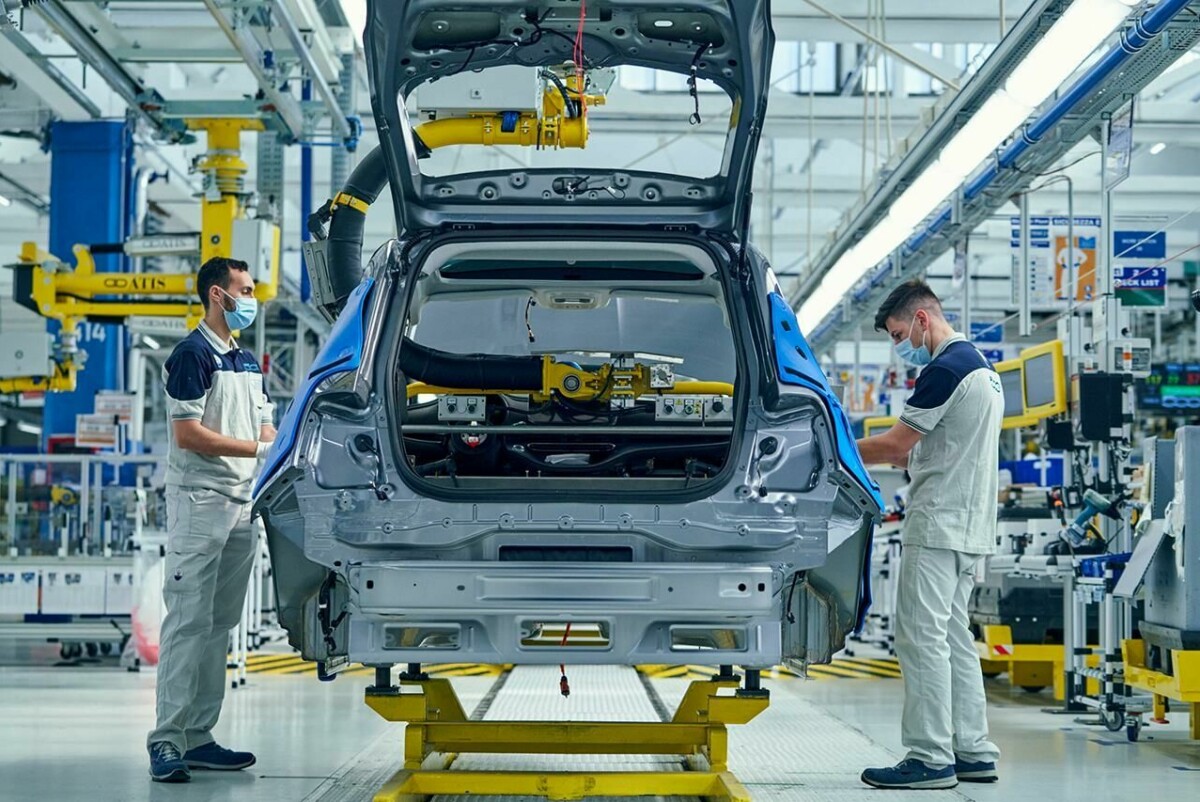
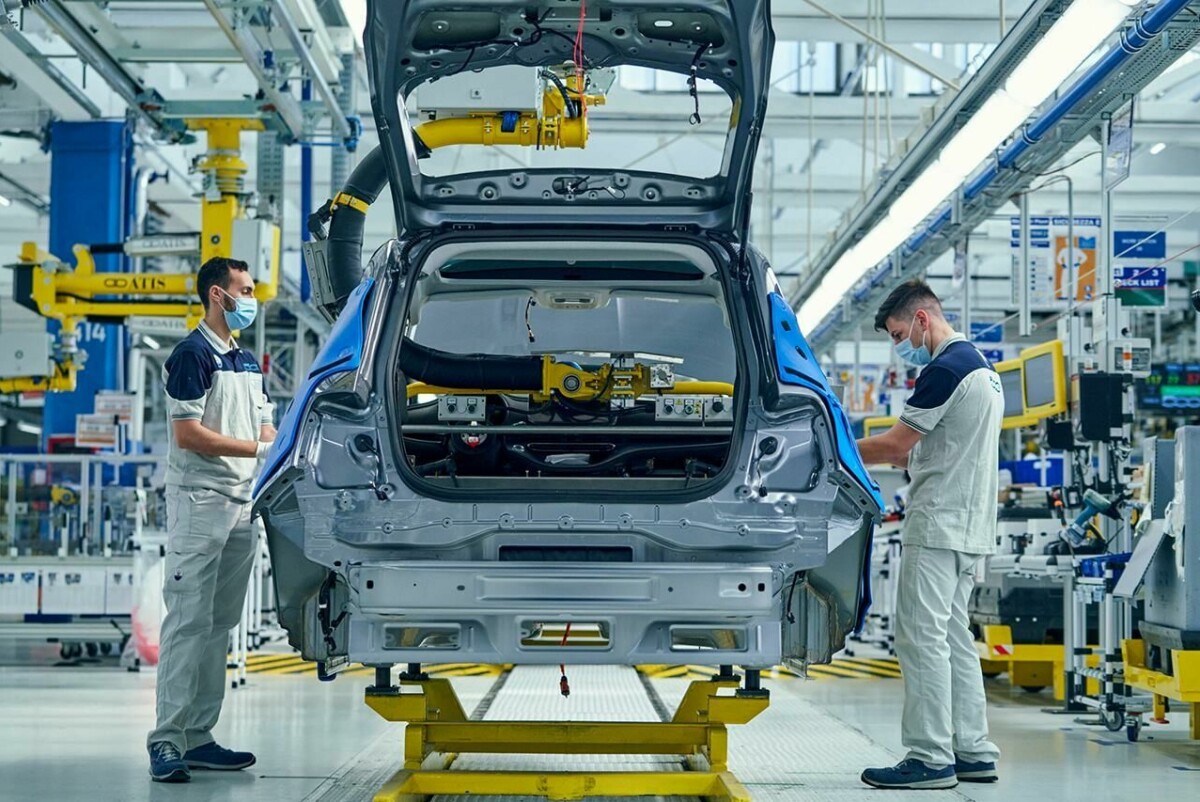
Moreover, data-driven manufacturing — often referred to as Industry 4.0 — is reshaping production processes. Factories are increasingly automated, sustainable, and digitally connected, allowing for higher precision, reduced waste, and faster innovation cycles. These advancements make European plants among the most efficient and technologically advanced in the world.
4. Economic and Social Impact
The automotive industry is more than an economic engine; it is a driver of social development and cultural identity across Europe. The industry supports millions of jobs — from skilled engineering roles to logistics, marketing, and customer services. In many regions, particularly in Central and Eastern Europe, automotive plants have become vital sources of employment and regional growth.
Furthermore, the industry contributes to social mobility and infrastructure development. Road networks, transport services, and logistics systems across the EU are closely linked to the growth of the automotive sector. The ripple effect of this industry extends to finance, real estate, tourism, and energy, reflecting its interdependence with the broader European economy.
5. Challenges Facing the Automotive Sector
Despite its strengths, the EU automotive industry faces a variety of challenges. Global competition, supply chain disruptions, rising raw material costs, and the post-pandemic economic recovery have created a complex business environment. Additionally, geopolitical tensions have affected trade flows and access to essential components such as semiconductors.
The semiconductor shortage in particular has underscored the vulnerability of globalized production systems. Automakers have been forced to delay deliveries, scale back production, and re-evaluate their sourcing strategies. This situation has highlighted the need for Europe to strengthen its technological sovereignty and reduce dependency on non-EU suppliers.
Environmental regulations, while necessary for sustainability, also impose financial pressures on manufacturers. The transition to EVs requires restructured production lines, workforce retraining, and massive capital investments. Balancing profitability with green transformation remains one of the industry’s most critical balancing acts.
6. Green Manufacturing and Circular Economy Practices
Sustainability is now at the heart of the European automotive vision. The industry is gradually moving towards circular economy principles, emphasizing recycling, reusability, and reduced carbon footprints throughout the vehicle’s life cycle. Automakers are investing in green materials, eco-friendly paints, and energy-efficient factories.
Battery recycling and second-life applications have also gained prominence. Old EV batteries are being repurposed for energy storage systems, supporting renewable energy grids and reducing waste. This integration of sustainability from production to disposal represents Europe’s holistic approach to environmental responsibility.
In addition, governments and private sectors are collaborating on creating a sustainable value chain. From raw material sourcing to logistics, every step is being optimized for minimal ecological impact. This green transformation is expected to position the EU as a global leader in sustainable mobility innovation.
7. Digitalization and Smart Mobility
Digitalization is redefining what it means to own and operate a vehicle. The rise of connected cars, shared mobility platforms, and mobility-as-a-service (MaaS) systems are changing consumer behavior across Europe. Younger generations are increasingly favoring car-sharing and subscription models over traditional ownership.
Smart mobility integrates data from multiple transport modes — cars, buses, trains, and bicycles — to create seamless urban travel experiences. European cities are investing in smart infrastructure, using digital technologies to reduce congestion, emissions, and travel time. Automakers are adapting to this shift by offering digital ecosystems that combine vehicles, apps, and real-time services.
These innovations are not only improving convenience but also contributing to safer, cleaner, and more inclusive mobility for all citizens.

8. International Competitiveness and Global Markets
The European Union’s automotive industry has long been a global benchmark for quality, innovation, and safety. European brands have established strong reputations worldwide, symbolizing engineering excellence and reliability. However, international competition has intensified, particularly from emerging electric vehicle producers in Asia and North America.
To remain competitive, European manufacturers are diversifying markets and expanding exports to regions with growing demand. Strategic trade partnerships, regional manufacturing hubs, and investment in innovation continue to sustain the EU’s leadership in global mobility solutions.
Moreover, the European automotive sector’s commitment to sustainability is becoming a competitive advantage. As environmental awareness grows globally, the demand for cleaner, greener vehicles positions European automakers as pioneers of responsible mobility.

9. The Future of Work in the Automotive Industry
The transformation toward electrification and automation is reshaping the workforce. Traditional roles are evolving into technology-driven positions that require advanced digital skills. Engineers, software developers, and data scientists are becoming as essential as mechanical technicians.
To support this transition, education and training programs across Europe are being redesigned to equip workers with relevant skills. Governments and private sectors are investing in reskilling initiatives, ensuring that no one is left behind in the shift to a digital, low-carbon economy. The future of automotive work will blend craftsmanship with coding — a powerful combination that defines the next generation of European industry.
10. Consumer Experience and Market Trends
Modern consumers expect more than just vehicles — they expect connected, sustainable, and customizable experiences. European automakers are responding with electric SUVs, autonomous models, and app-integrated vehicles that blend technology with lifestyle.
Design aesthetics also remain a vital element. European car designs continue to set global standards for innovation and sophistication. Interior comfort, safety features, and intelligent infotainment systems reflect the union of art and engineering — a hallmark of the EU automotive spirit.
Sustainability-conscious consumers are now influencing market trends, pushing brands to adopt transparent supply chains, ethical sourcing, and eco-labeled vehicles. The modern car buyer in Europe values both environmental impact and technological advancement.
11. Road Safety and Regulations
The EU has one of the world’s most advanced regulatory frameworks for road safety. Strict standards govern vehicle emissions, crash tests, and safety technologies. Modern vehicles are equipped with advanced safety systems such as lane assistance, automatic braking, and pedestrian detection — technologies that have saved countless lives.
In addition, the EU’s transport policies aim to harmonize road infrastructure, traffic laws, and digital systems across member states. These efforts not only improve safety but also ensure smoother cross-border travel and trade within the continent.
12. Looking Ahead: The Road to 2030 and Beyond
As the EU moves toward 2030, its automotive industry stands at a defining crossroads. Electrification, digitalization, and sustainability are converging into a new model of mobility that is smarter, cleaner, and more inclusive. By embracing change, the European automotive sector has the opportunity to lead a new global era of innovation and responsibility.
The journey ahead will require collaboration — between governments, manufacturers, researchers, and consumers. Together, they can ensure that Europe remains a beacon of progress, shaping mobility that respects both people and the planet.
🚗 FAQs — Automotive Industry in the European Union
1. What is the current state of the automotive industry in the European Union?
The EU automotive industry is undergoing a major transformation toward electric mobility, sustainability, and digitalization, positioning itself as a global innovation leader.
2. How important is the automotive industry to the EU economy?
It’s one of the EU’s largest industrial sectors, contributing significantly to GDP, exports, and employment across member states.
3. What are the main goals of the EU’s automotive transition?
The key goals are reducing carbon emissions, promoting electric vehicles (EVs), enhancing safety standards, and building a sustainable transport system.
4. How many people are employed in the EU automotive industry?
Millions of Europeans work directly or indirectly in the automotive sector, including manufacturing, supply chains, and service industries.
5. Which EU countries lead in car production?
Germany, France, Italy, Spain, and the Czech Republic are among the top automotive manufacturing hubs in the EU.
6. What role does electric mobility play in Europe’s future?
Electric mobility is central to the EU’s climate and energy strategy, aiming for a complete transition to zero-emission transport by 2050.
7. How is the EU supporting electric vehicle adoption?
The EU provides incentives such as tax reductions, subsidies, and charging-infrastructure expansion to encourage EV purchases.
8. What challenges does the EU automotive industry face?
Key challenges include raw material shortages, semiconductor supply issues, global competition, and the high cost of EV production.
9. What is the EU doing to reduce vehicle emissions?
The EU has implemented strict CO₂ emission limits and fuel-efficiency standards while encouraging automakers to develop greener technologies.
10. How are European automakers adapting to sustainability goals?
They are investing in renewable energy, recyclable materials, and cleaner manufacturing processes to reduce environmental impact.
11. What impact has digitalization had on the automotive industry?
Digitalization has improved manufacturing efficiency, product customization, and customer experience through smart factories and connected cars.
12. How is artificial intelligence used in the EU automotive sector?
AI powers autonomous driving systems, predictive maintenance, logistics optimization, and intelligent traffic management.
13. What is the role of automation in car manufacturing?
Automation increases production accuracy, reduces waste, and enhances worker safety through advanced robotics and digital control systems.
14. How does the EU ensure road safety?
Through rigorous safety regulations, crash testing standards, and integration of advanced driver-assistance technologies in all new vehicles.
15. What is the EU’s strategy for battery production?
The EU is developing local battery manufacturing facilities and recycling systems to reduce dependence on non-European suppliers.
16. What are the benefits of electric cars for consumers?
They offer lower operating costs, zero tailpipe emissions, government incentives, and access to clean mobility zones in cities.
17. How is the EU addressing the charging infrastructure gap?
By funding large-scale projects that build fast-charging networks along highways and urban centers to support EV adoption.
18. What is the connection between the EU automotive industry and Vision 2030 goals?
The EU’s strategy aligns with global sustainability goals to ensure cleaner transport, digital advancement, and economic competitiveness.
19. How does the automotive industry contribute to innovation in other sectors?
Automotive research drives advancements in AI, robotics, material science, and renewable energy, benefiting multiple industries.
20. What are the major trends shaping Europe’s automotive future?
Electrification, automation, digitalization, shared mobility, and sustainable manufacturing are the top five transformative trends.
21. How do EU trade policies affect car exports?
The EU maintains trade partnerships to support export growth, ensuring European vehicles reach markets worldwide.
22. Are hybrid cars still popular in the EU?
Yes. Hybrids continue to serve as a transition technology for consumers who are not yet ready to move fully to electric vehicles.
23. What measures are being taken to make EV batteries sustainable?
Manufacturers are investing in recycling technologies, second-life energy storage, and responsible sourcing of lithium and cobalt.
24. How does the automotive industry impact local economies?
It drives regional growth, creates skilled jobs, and stimulates related sectors such as energy, logistics, and tourism.
25. What are “smart cities” and how do they connect with the automotive sector?
Smart cities integrate digital infrastructure, autonomous vehicles, and data analytics to improve traffic flow and reduce emissions.
26. How are car designs evolving in Europe?
Designs are becoming more aerodynamic, minimalist, and technology-centric, emphasizing comfort, connectivity, and sustainability.
27. Will autonomous cars become common in Europe soon?
Pilot projects are already running across Europe, and limited autonomous driving is expected to become mainstream by 2030.
28. How is education adapting to support the automotive transformation?
Training programs and technical universities are introducing courses on electric mobility, software engineering, and automation.
29. How can small businesses benefit from the automotive shift?
SMEs can engage in EV component manufacturing, software solutions, and charging-infrastructure partnerships.
30. What does the future of the EU automotive industry look like?
The future is defined by innovation, sustainability, and resilience — where electric mobility, smart technology, and circular economy principles drive growth.
Conclusion: Driving the Future with Purpose
The story of the European automotive industry is not just about cars — it is about people, progress, and purpose. From the early days of industrial innovation to the modern era of intelligent mobility, Europe has consistently redefined what the future of transport looks like. As the world races toward sustainability, the EU’s automotive leaders are steering this change with vision and determination.
By merging technology with responsibility, efficiency with empathy, and progress with preservation, Europe’s automotive industry continues to drive not only vehicles — but the very spirit of innovation that defines the continent itself.
Visit: www.mehrublogs.com
Email: mehrublogs@gmail.com
Follow us on social media:
