

Top 5 Hidden Gems To Visit In Pakistan

Pakistan is a land of breathtaking diversity, from towering snow-capped mountains in the north to vast deserts in the south, ancient ruins, and vibrant cultures that have withstood the test of time. While popular destinations like Lahore’s historic forts or the bustling streets of Karachi draw crowds, the true magic of Pakistan lies in its hidden gems—those lesser-known spots that offer serenity, adventure, and a glimpse into untouched natural beauty. If you’re searching for “hidden gems in Pakistan” or planning an off-the-beaten-path adventure, this guide to the top 5 hidden gems to visit in Pakistan will inspire your next trip.
These destinations aren’t just picturesque; they embody the soul of Pakistan’s landscapes and people. From alpine meadows with killer mountain views to mystical valleys preserving ancient traditions, each spot promises unique experiences that go beyond typical tourism. Whether you’re a solo traveler, a family on vacation, or an adventure enthusiast, these hidden treasures showcase why Pakistan is emerging as a must-visit destination for 2025 and beyond. In this comprehensive article, we’ll dive deep into each gem, covering why you should visit, how to get there, the best time to go, top activities, and essential travel tips. By the end, you’ll be equipped to plan an unforgettable journey.
Pakistan’s tourism scene is booming, with improved infrastructure and safety measures making it easier than ever to explore. According to recent travel reports, northern Pakistan alone saw a surge in visitors last year, but these hidden spots remain relatively uncrowded. Pack your bags, grab your camera, and get ready to discover the underrated beauty of Pakistan. Let’s start with our top picks!
1. Phander Valley: The Serene Alpine Paradise

Nestled in the Ghizer District of Gilgit-Baltistan, Phander Valley is often called the “Switzerland of Pakistan” for its lush green meadows, crystal-clear lakes, and snow-dusted peaks. This hidden gem is a haven for nature lovers seeking tranquility away from the hustle of more famous spots like Hunza. Phander Lake, with its turquoise waters reflecting the surrounding mountains, is the valley’s crown jewel, teeming with trout and offering stunning photo opportunities.

Why Visit Phander Valley?
Phander stands out as one of the top hidden gems in Pakistan because of its unspoiled beauty and peaceful atmosphere. Unlike busier valleys, Phander feels like a private retreat where you can disconnect from the world. The valley is home to friendly locals who practice sustainable living, and it’s a biodiversity hotspot with rare birds and wildflowers blooming in summer. If you’re into eco-tourism, this is the place to witness how communities harmonize with nature.
How to Get There
Reaching Phander Valley requires some adventure, adding to its allure. Fly into Gilgit Airport from Islamabad (about 1 hour), then drive northwest for around 5-6 hours via the Gilgit-Chitral Road. The journey passes through scenic gorges and rivers, but the road can be rough, so hire a 4×4 jeep or join a guided tour. From Chitral, it’s a 3-4 hour drive. Public buses run sporadically, but private transport is recommended for flexibility. The total distance from Gilgit is about 184 kilometers.
Best Time to Visit
Summer (June to September) is ideal when temperatures hover between 15-25°C, perfect for outdoor activities. Winters (December to February) bring heavy snow, making access challenging but transforming the valley into a winter wonderland for snow enthusiasts. Avoid the monsoon season in July-August if you’re prone to landslides.
Things to Do in Phander Valley
- Boating and Fishing on Phander Lake: Rent a boat or try your hand at trout fishing—the lake is stocked and permits are easy to obtain.
- Hiking and Trekking: Trails lead to nearby viewpoints like Shandur Pass, known as the “Roof of the World,” where you can watch polo matches in summer.
- Camping Under the Stars: Set up camp by the lake for stargazing; the clear skies offer incredible views of the Milky Way.
- Village Exploration: Visit local homes to learn about Gilgiti culture, taste fresh apricots, and buy handmade woolen crafts.
- Photography Tours: Capture the vibrant wildflowers in bloom or the autumn foliage turning golden.
Travel Tips for Phander Valley
Accommodations range from basic guesthouses to luxury glampsites—book in advance during peak season. Carry cash as ATMs are scarce, and pack warm layers even in summer due to cool evenings. Respect local customs by dressing modestly and asking permission before photographing people. For safety, travel in groups and check road conditions via local apps or tourism boards. Budget around PKR 5,000-10,000 per day for food, stay, and activities.
Phander Valley isn’t just a destination; it’s an experience that rejuvenates the soul, making it a must for anyone searching for hidden places in Pakistan.
2. Fairy Meadows: Gateway to the Killer Mountain

Fairy Meadows, located at the base of Nanga Parbat—the world’s ninth-highest peak—is a magical alpine meadow that lives up to its fairy-tale name. This hidden gem in northern Pakistan offers panoramic views of the “Killer Mountain,” dense pine forests, and wildflower-strewn grasslands. It’s a UNESCO-recognized site for its biodiversity and is often hailed as one of the most beautiful places in Pakistan.

Why Visit Fairy Meadows?
What sets Fairy Meadows apart is its raw, untamed beauty and the thrill of getting there. It’s a paradise for hikers and mountaineers, with views that rival the Swiss Alps but without the crowds. The area is steeped in legend—locals believe fairies inhabit the meadows—adding a mystical charm. It’s also a base for climbing expeditions, attracting adventurers from around the globe.
How to Get There
Access Fairy Meadows via Raikot Bridge on the Karakoram Highway, about 2 hours from Gilgit. From there, it’s a thrilling jeep ride on a narrow, unpaved track (considered one of the world’s most dangerous roads) followed by a 2-3 hour hike. Jeeps cost around PKR 8,000-10,000 round trip, and porters are available for luggage. Flights to Gilgit from major cities make it accessible, but plan for at least a full day of travel.
Best Time to Visit
June to September is prime time, with mild weather (10-20°C) and blooming meadows. Winters are harsh with snow blocking paths, but spring (April-May) offers fresh greenery. Avoid rainy seasons to prevent slippery trails.
Things to Do in Fairy Meadows
- Trek to Nanga Parbat Base Camp: A moderate 3-4 hour hike rewards you with close-up views of the 8,126-meter peak.
- Horse Riding and Camping: Ride ponies through the forests or camp in log cabins for an authentic experience.
- Wildlife Spotting: Look for ibex, eagles, and rare butterflies in this protected area.
- Stargazing and Bonfires: Nights are crisp and clear, perfect for stories around a fire.
- Photography and Yoga Retreats: The serene setting inspires creative pursuits and wellness activities.
Travel Tips for Fairy Meadows
Stay in eco-friendly huts or tents—options like Raikot Serai offer basic amenities. Altitude is 3,300 meters, so acclimatize to avoid sickness; drink plenty of water and ascend slowly. Pack insect repellent, sunscreen, and sturdy shoes. Entry fees are minimal (PKR 200-500), but support local conservation by not littering. For women travelers, it’s safe but advisable to go with a group or guide.
Fairy Meadows encapsulates the adventurous spirit of Pakistan’s hidden gems, leaving visitors with memories of epic landscapes and personal triumphs.
3. Kalash Valley: Where Ancient Traditions Thrive

Kalash Valley, comprising Bumburet, Rumbur, and Birir valleys in Chitral District, is a cultural oasis home to the Kalash people—descendants of Alexander the Great’s army. This hidden gem preserves pagan traditions, colorful festivals, and unique architecture amid the Hindu Kush mountains, making it a fascinating blend of history and nature.

Why Visit Kalash Valley?
Kalash is one of Pakistan’s most unique hidden gems due to its living heritage. The Kalash, with their fair skin and blue eyes, celebrate festivals like Chilam Joshi with dancing and wine, offering a rare glimpse into pre-Islamic culture. The valleys are also stunning, with rivers, walnut groves, and ancient cedar forests.
How to Get There
Fly to Chitral from Islamabad (45 minutes), then drive 1-2 hours to the valleys. Road access from Peshawar takes 8-10 hours via Lowari Pass. Local jeeps and buses are available, but book ahead during festivals. The area is remote, so guided tours are recommended for cultural insights.
Best Time to Visit
Spring (March-May) for the Chilam Joshi festival or autumn (September-November) for mild weather (10-20°C) and harvest celebrations. Summers are pleasant, but winters can isolate the valleys with snow.
Things to Do in Kalash Valley
- Attend Festivals: Join dances and rituals during Uchal or Joshi for an immersive cultural experience.
- Explore Villages: Wander through wooden houses, visit museums showcasing Kalash artifacts.
- Hiking to Waterfalls: Trails lead to scenic spots like Birir’s hot springs.
- Taste Local Cuisine: Try walnut bread, goat cheese, and homemade wine (non-alcoholic options available).
- Craft Shopping: Buy embroidered dresses and jewelry from local artisans.
Travel Tips for Kalash Valley
Respect Kalash customs—no photos without permission, and women should cover shoulders. Accommodations include guesthouses and homestays; budget PKR 3,000-7,000 nightly. Carry medications as facilities are basic. Tourism supports the community, so shop locally. It’s safe, but check for festival crowds.
Kalash Valley is a testament to Pakistan’s cultural diversity, a hidden gem that educates and enchants.
4. Gorakh Hill Station: The Murree of Sindh

Perched at 5,688 feet in the Kirthar Mountains, Gorakh Hill Station is Sindh’s coolest escape, often compared to Murree for its foggy vistas and chilly breezes. This hidden gem offers panoramic views of arid plains, starry nights, and a respite from Pakistan’s southern heat.

Why Visit Gorakh Hill?
Gorakh is underrated, providing solitude and stunning sunsets without northern Pakistan’s crowds. It’s a biodiversity spot with rare flora and fauna, and its elevation creates a microclimate that’s 20-30°C cooler than nearby cities. Ideal for budget travelers seeking adventure close to Karachi.
How to Get There
Drive from Karachi (5-6 hours) via the M-9 Highway to Wahi Pandi, then a 2-hour ascent on a winding road. Jeeps are essential for the final stretch; rentals cost PKR 5,000-8,000. No direct flights, but it’s road-trip friendly from Hyderabad or Sukkur.
Best Time to Visit
Winter (November-February) for snow and temperatures dipping below zero, or summer (April-June) for mild escapes from heat. Monsoons can make roads slippery.
Things to Do in Gorakh Hill
- Sunrise and Sunset Viewing: Hike to the peak for 360-degree panoramas.
- Camping and Barbecues: Pitch tents and enjoy bonfires under the stars.
- Birdwatching: Spot eagles and vultures in the rugged terrain.
- Off-Roading: Explore nearby trails in a 4×4.
- Stargazing: Minimal light pollution makes it an astronomer’s dream.
Travel Tips for Gorakh Hill
Limited resorts exist, so camp or stay in basic lodges—bring supplies from Dadu. Roads are unpaved, so drive cautiously. Budget PKR 4,000-8,000 daily. Check weather apps for fog, and carry chains for winter tires.
Gorakh Hill proves Pakistan’s south has its own hidden charms, perfect for a quick getaway.
5. Hingol National Park: Balochistan’s Surreal Wonderland

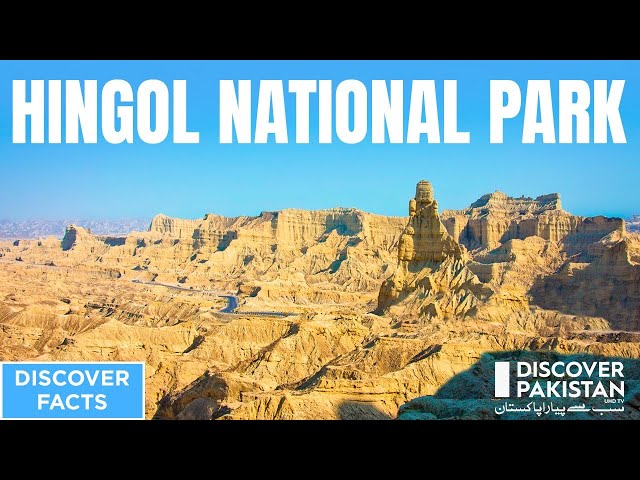
Spanning 6,000 square kilometers in Balochistan, Hingol National Park is Pakistan’s largest national park, featuring mud volcanoes, rock formations like the Princess of Hope, and pristine beaches. This hidden gem blends desert, mountains, and coast, home to diverse wildlife and sacred sites.
Why Visit Hingol National Park?
Hingol’s otherworldly landscapes—think Mars-like terrain—make it a photographer’s paradise. It’s a wildlife sanctuary with leopards, ibex, and over 250 plant species, plus religious significance with Hinglaj Mata Temple. Underrated and vast, it offers solitude and adventure.
How to Get There
Drive from Karachi (3-4 hours) along the Makran Coastal Highway to the park entrance. Jeeps are needed for inner trails; guided tours from Quetta or Gwadar are available. No airports nearby, but the scenic drive is part of the fun.
Best Time to Visit
October to March for comfortable temperatures (15-25°C); summers hit 40°C+. Avoid monsoons for flooding risks.
Things to Do in Hingol National Park
- Explore Rock Formations: Visit the Sphinx-like Princess of Hope and mud volcanoes.
- Beach Time at Kund Malir: Swim in turquoise waters and picnic on golden sands.
- Wildlife Safaris: Spot endangered species on jeep tours.
- Pilgrimage to Hinglaj Temple: Join Hindu devotees at this ancient site.
- Hiking and Photography: Trails lead to canyons and viewpoints.
Travel Tips for Hingol National Park
Camping is popular, but basic guesthouses exist near Ormara. Carry water and food; no facilities inside. Permits may be needed for certain areas—check with park authorities. Travel with a guide for safety, as it’s remote. Budget PKR 6,000-12,000 per day.
Hingol showcases Pakistan’s wild side, a hidden gem for intrepid explorers.
Conclusion: Embark on Your Pakistani Adventure
These top 5 hidden gems—Phander Valley, Fairy Meadows, Kalash Valley, Gorakh Hill, and Hingol National Park—highlight Pakistan’s incredible variety, from cultural enclaves to natural wonders. Visiting them not only offers personal enrichment but supports local economies and conservation efforts. As Pakistan’s tourism grows, now is the perfect time to explore these spots before they become mainstream.
Plan responsibly: Respect environments, engage with communities, and stay informed on travel advisories. Whether trekking mountains or relaxing by lakes, Pakistan promises adventures that linger long after you return home. Ready to pack? Start your journey today!
This article is brought to you by Mehru Blogs. For more travel tips and stories, visit www.mehrublogs.com. Contact us at mehrublogs@gmail.com. Follow us on social media: Facebook | Instagram.
(Word count: 2,456)
