

How to Balance Work and Family Life | Mehrublogs
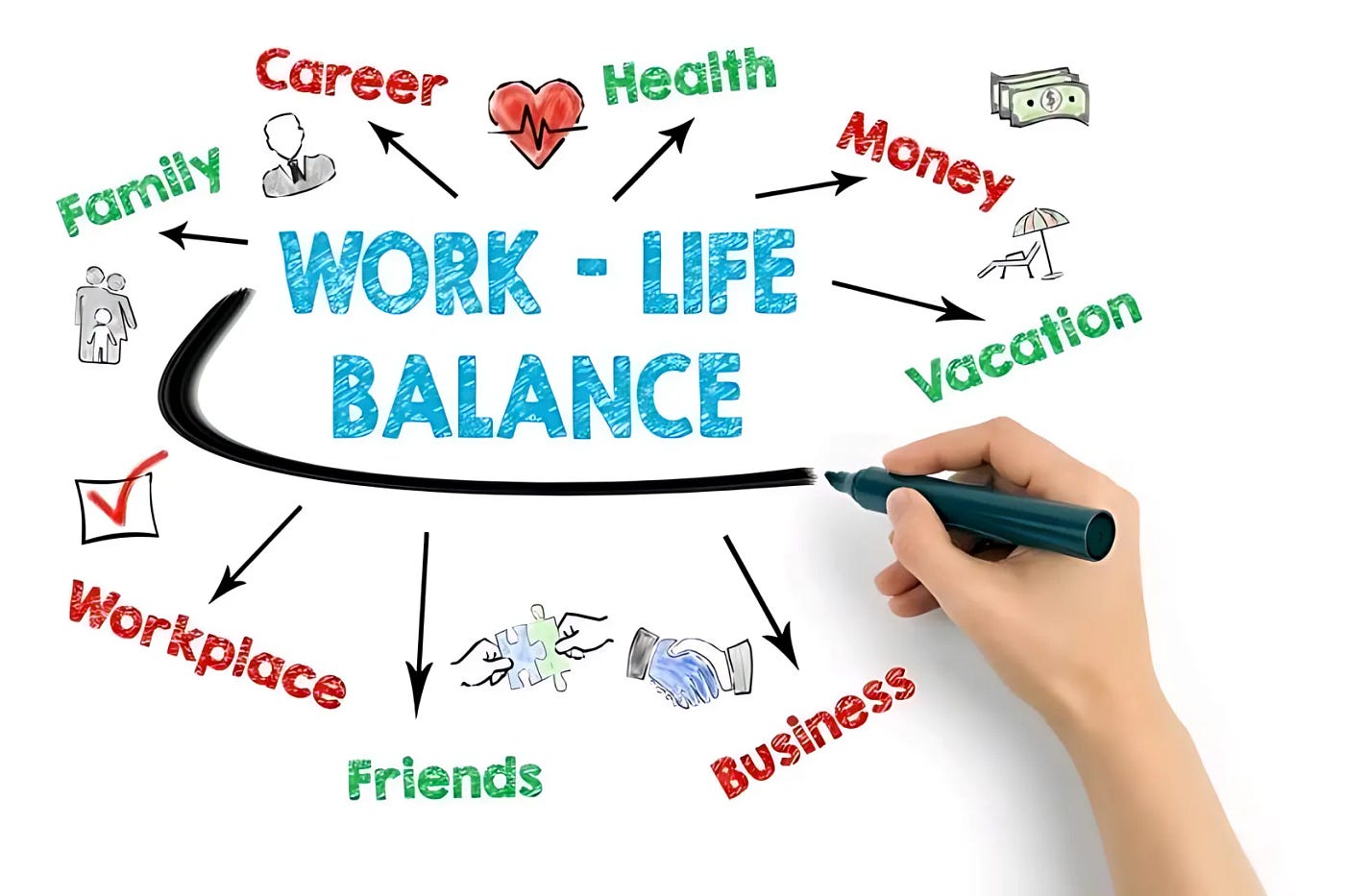
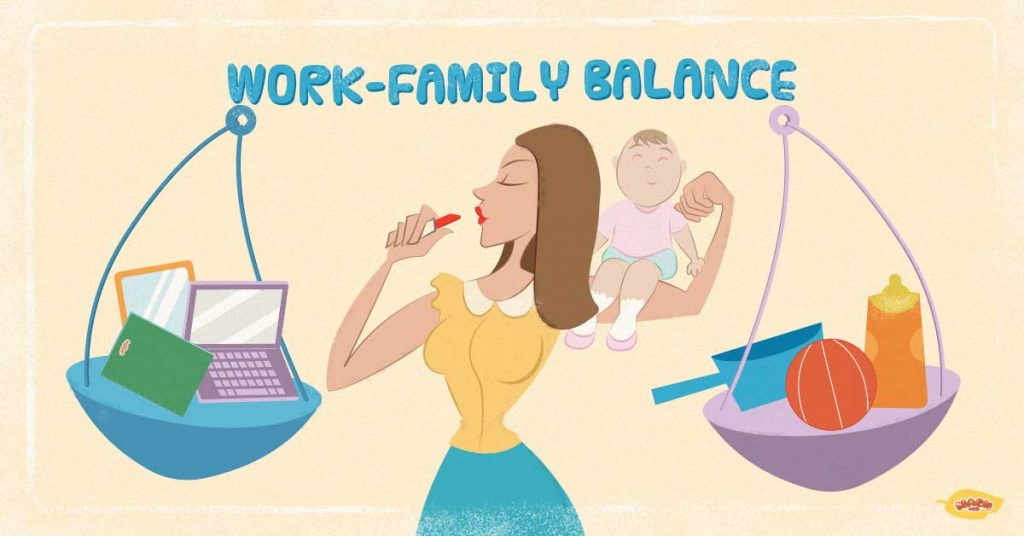
In today’s fast-paced world, achieving a harmonious balance between work and family life is a top priority for professionals, parents, and individuals alike. The constant juggle between career demands and personal responsibilities can lead to burnout, stress, and strained relationships if not managed effectively. But with the right strategies, mindset, and tools, you can create a fulfilling life where both your professional ambitions and family bonds thrive. Welcome to this comprehensive guide on how to balance work and family life, brought to you by Mehrublogs. Whether you’re a busy parent, a remote worker, or climbing the corporate ladder, this article provides actionable insights, practical tips, and real-world examples to help you reclaim control over your time and energy.
At Mehrublogs, we believe work-life balance isn’t just a buzzword—it’s a necessity for long-term happiness and productivity. Our blog is dedicated to sharing valuable advice on lifestyle, productivity, and personal development. For more resources, visit our website at www.mehrublogs.com or email us at mehrublogs@gmail.com. Follow us for daily tips on Facebook and Instagram.
Why Balancing Work and Family Life Matters
Before diving into the “how,” let’s explore the “why.” In an era where remote work, digital connectivity, and economic pressures blur the lines between office and home, maintaining equilibrium is crucial. Studies show that poor work-life balance contributes to health issues like anxiety, depression, and even physical ailments such as high blood pressure and weakened immune systems. Conversely, a well-balanced life enhances job performance, strengthens family ties, and boosts overall well-being.
Imagine waking up energized, spending quality time with loved ones, and excelling at your job. That’s the power of balance. For families, it means creating lasting memories and fostering emotional security for children. For professionals, it translates to higher creativity, better decision-making, and reduced turnover rates. Employers are increasingly recognizing this, with many offering flexible hours and wellness programs to support employees in achieving work-family balance.

However, challenges abound. The rise of the gig economy, longer working hours, and societal expectations—especially for working parents—make it tough. Women often bear the brunt of household duties alongside careers, leading to the infamous “double shift.” Men face pressures to be providers while being present fathers. Recognizing these hurdles is the first step toward overcoming them.
Common Challenges in Balancing Work and Family
To effectively balance work and family life, identify the obstacles in your path. Here are some prevalent challenges:
- Time Constraints: Packed schedules make finding time for both work deadlines and family activities feel impossible. Commuting, meetings, and extracurriculars eat into precious hours.
- Guilt and Emotional Strain: Parents often feel guilty for missing school events due to work or for not giving 100% at the office because of family commitments.
- Technology Overload: Constant emails, notifications, and virtual meetings mean work never truly ends, invading family time.
- Financial Pressures: Working extra hours is often necessary to make ends meet, leaving little room for family outings or self-care.
- Lack of Support Systems: Without reliable childcare, eldercare, or spousal support, the burden falls on one person, amplifying stress.
- Remote Work Blurring Boundaries: While flexible, working from home can make it hard to “switch off,” turning your living room into a perpetual office.
Understanding these issues allows you to tailor solutions to your situation. For instance, if technology overload is your nemesis, setting digital boundaries could be a game-changer.
Essential Strategies for Achieving Work-Life Balance
Now, let’s dive into practical strategies to balance work and family life. These aren’t one-size-fits-all; experiment and adapt them to your lifestyle.
1. Prioritize and Set Clear Goals
The foundation of balance lies in prioritization. Define what matters most. Create a list of your top work and family goals, such as:
- Work: Complete a major project by quarter’s end.
- Family: Have dinner together five nights a week.
Use tools like the Eisenhower Matrix to categorize tasks by urgency and importance. Delegate or eliminate non-essentials. Saying “no” to extra work commitments can mean saying “yes” to family time. Incorporate family input—hold weekly meetings to discuss everyone’s needs, fostering teamwork.
2. Master Time Management Techniques
Effective time management is key. Techniques like time blocking—allocating specific slots for work, family, and self-care—can transform your day. For example, block 8 AM to 5 PM for work, 6 PM to 8 PM for family dinner and activities, and 9 PM onward for relaxation.

Apps like Google Calendar or Todoist can help visualize your schedule. Batch similar tasks to minimize context-switching, which drains energy. For parents, sync your calendar with school events and doctor’s appointments to avoid surprises. Remote workers should establish a dedicated workspace to signal “work mode” and close the door at day’s end to transition to family time.
3. Establish Boundaries Between Work and Home
Boundaries prevent work from encroaching on family life. Communicate your availability to colleagues—set an auto-reply email after hours stating you’ll respond the next business day. Turn off notifications during family time to be fully present.
At home, create rituals like a “wind-down” routine: a short walk after work to mentally shift gears. If self-employed, define office hours and stick to them. This protects your personal life and boosts productivity during work hours.
4. Leverage Support Networks
You don’t have to do it alone. Build a support system:
- Family and Friends: Share chores with your partner or enlist grandparents for babysitting.
- Professional Help: Consider hiring a nanny, cleaner, or meal delivery service to free up time.
- Workplace Resources: Utilize employee assistance programs, flexible scheduling, or parental leave.
Join online communities or local groups for working parents to share tips. At Mehrublogs, we often discuss building these networks—check out our related posts.
5. Focus on Self-Care and Health
Self-care isn’t selfish; it’s essential. Prioritize sleep (7-9 hours), exercise (even a 20-minute walk), and nutrition. Incorporate mindfulness practices like meditation or yoga to manage stress.
Schedule “me time” weekly—read a book, pursue a hobby, or enjoy a spa day. When recharged, you’re better equipped to handle demands. Modeling self-care teaches children valuable life skills.

6. Enhance Communication Skills
Open communication bridges gaps. At work, discuss family commitments with your boss to negotiate flexibility. At home, express needs to your spouse and kids through daily check-ins. For couples, date nights without distractions strengthen bonds. Teach children about your work to foster understanding.
7. Adapt to Life Stages and Changes
Balance evolves. New parents need flexibility, while empty-nesters focus on career growth. Reassess strategies quarterly. During crises like illness or job loss, lean on resilience-building habits. Single parents should prioritize efficiency—meal prep on weekends or use co-parenting apps.
Tips for Specific Scenarios
Balancing Work and Family as a Parent
Parenthood adds layers to the equation. Targeted tips include:
- Morning Routines: Prep breakfast and outfits the night before.
- Quality Over Quantity: 15 minutes of undivided attention beats hours of distracted presence.
- Involve Kids in Work: Share age-appropriate stories about your job.
- School and Extracurriculars: Use shared calendars and carpooling.
Studies show children of balanced parents exhibit better emotional health and academic performance.
For Remote Workers and Entrepreneurs
Remote work offers flexibility but demands discipline:
- Dedicated Workspace: Avoid working from the couch.
- Virtual Boundaries: Use “do not disturb” modes during family hours.
- Breaks and Movement: Follow the Pomodoro technique (25 minutes work, 5-minute break).
- Networking: Join virtual meetups to combat isolation.
Entrepreneurs should set realistic goals and outsource non-core tasks.
Handling High-Stress Jobs
In fields like healthcare or finance:
- Shift Work Strategies: Align schedules with family rhythms.
- Decompression Time: Build buffer periods post-shift.
- Professional Support: Seek counseling if stress overwhelms.
Real-Life Examples and Success Stories
Let’s draw inspiration from real people. Sarah, a marketing executive and mother of two, implemented time blocking and delegated household tasks, landing a promotion while attending every soccer game. “It’s about intentional choices,” she says.
Mike, a remote software developer, set email boundaries, reclaiming evenings for family board games, reducing burnout, and improving code quality. Celebrities like Sheryl Sandberg advocate “leaning in” at work while “leaning out” at home through support systems.
Overcoming Setbacks and Maintaining Long-Term Balance
Setbacks happen—missed deadlines or family arguments. View them as learning opportunities. Track progress with a journal. Incorporate flexibility; rigid plans can backfire. During holidays, unplug completely to recharge.
Cultivate a growth mindset. Read books like The 7 Habits of Highly Effective People by Stephen Covey or follow Mehrublogs for inspiration.
The Role of Technology in Work-Life Balance
Technology can be a double-edged sword. Use it wisely:
- Productivity Apps: Trello for task management, RescueTime for habit tracking.
- Family Apps: Cozi for shared calendars, Mealime for recipes.
- Wellness Tools: Headspace for meditation, Fitbit for health tracking.
Set limits—designate tech-free zones like the dinner table.
The Impact on Mental Health and Relationships
Poor balance erodes mental health, leading to isolation or resentment. Prioritize therapy if needed. Strong relationships thrive on quality time; plan family outings or couple retreats. For children, balanced parents mean stable environments, reducing behavioral issues.
Conclusion: Your Path to a Balanced Life
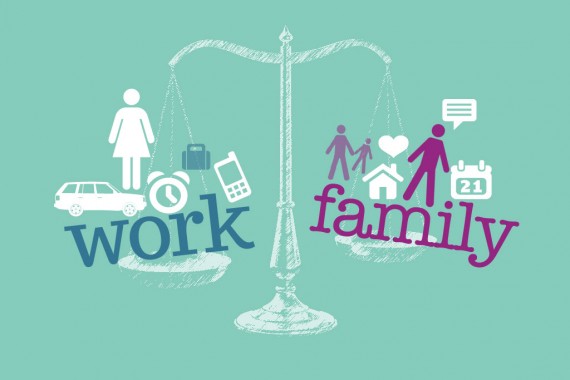
Balancing work and family life is an ongoing journey. By prioritizing, managing time, setting boundaries, and seeking support, you can create a life where both spheres flourish. Start small—implement one tip today—and build from there. Resources like Mehrublogs are here to guide you.
For more articles on productivity, parenting, and lifestyle, visit www.mehrublogs.com. Connect via email at mehrublogs@gmail.com, or follow us on Facebook and Instagram. Share your balance stories in the comments—we’d love to hear from you!


