
Long before the invention of air conditioning, the residents of old Dubai used ingenious architectural techniques to keep their homes cool. Today, those traditional methods are being revived.
There’s no heat quite like a Dubai afternoon—relentless, and often dangerously intense. But in a lesser-known part of the city, one can still find comfort without air conditioning, using age-old methods.
As I walk into the narrow alleys of Dubai’s historic Al Fahidi neighborhood, I find refuge from the blazing sun. The high walls and shaded lanes generate surprisingly cool breezes, as if by magic. It feels as though the scorching desert wind has been subdued. Those who built this area were clearly architectural visionaries.

Above, you can spot four-storey wind towers—once used to naturally ventilate homes. Today, they serve as roosts for pigeons.
In this calm, simple part of the city, creativity and efficiency take precedence over luxury. The structures reflect environmental wisdom—lessons from people who learned to thrive in the desert.
Design That Withstands the Heat
Parts of Al Fahidi date back to the 1700s. Its heat-resilient and naturally cooling architectural style is more relevant today than ever before. Modern architects and urban planners are now drawing inspiration from places like old Dubai to combat climate change and rising global temperatures.
And it’s no surprise. If innovative design could keep people in old Dubai cool, could it work for the rest of the world?
A Legacy of Cooling Innovation
In 2024, Dubai’s temperature hit 51°C (feeling like 62°C with humidity). Air conditioning is widespread in the UAE and accounts for over 70% of electricity use during summer. However, advocates for traditional cooling methods argue that these time-tested strategies help shade buildings and enhance airflow—offering relief without massive energy consumption.
Tour guide Noor Ahmed explains: “Emiratis designed homes perfectly suited to desert life. Wind towers captured cool air and expelled hot air.”
He points out the narrow maze-like alleys with tall walls that protected pedestrians from direct sunlight.
In the 1700s, Dubai’s ancestors began transitioning from a nomadic lifestyle to permanent settlements near Dubai Creek, a saltwater inlet through the city. They built innovative homes capable of surviving the desert’s extreme climate. Features included:
-
Wind towers (Barjeel)
-
Enclosed courtyards
-
Latticed windows (Mashrabiya)
-
Coral stone walls
-
Narrow alleyways (Sikka)

How Wind Towers Work
Barjeel were mounted on rooftops and used to direct cool air into homes while pushing hot air out. This process could reduce indoor temperatures by up to 10°C.
According to Dr. Varshali Matre, an assistant professor at Heriot-Watt University Dubai, “Barjeel are one of the most effective ways to keep Gulf homes cool.” She notes their widespread use in modern developments like Madinat Jumeirah and the Khalifa Al-Tayer Mosque—Dubai’s green-certified mosque.
Other Cooling Features
Most Al Fahidi homes include internal courtyards, which trap and circulate cool air at night. These courtyards often feature tall walls, overhanging roofs, and trees to reduce dust and sunlight exposure.
A Spanish study showed such designs can reduce indoor heat by 18%. The Mashrabiya (latticed windows) control both light and airflow, lowering temperatures by at least 3°C, as per a 2024 study using modern models.
Dr. Matre adds: “These courtyards offer light, shade, privacy, and peace—matching local architectural values of privacy and safety.”

Materials and Colors Matter
Historically, light-colored coral stones helped reflect heat. Though coral mining is now banned in the UAE to protect marine life, using light-colored exterior walls still remains an effective cooling technique. Trees like palm trees also provide shade.
Ahmed Al Jafla, Senior Cultural Speaker at the Sheikh Mohammed Centre for Cultural Understanding, says the Sikka—narrow pedestrian alleys—are crucial yet underrated. Just 2–3 meters wide, they guide people to open public spaces while channeling cool breezes from Dubai Creek.
“Tourists love resting in the Sikka,” he says. “They’re cool, shaded, and peaceful.”
Modern Inspiration from Old Designs
UAE architects are now building structures that incorporate traditional principles to naturally combat heat. A leading example is Masdar City, outside Abu Dhabi. Buildings are tightly clustered, and streets are narrow to maximize shade and channel local breezes.
This setup reduces temperatures by up to 10°C compared to the surroundings. Buildings use wind towers, latticed screens, and other natural cooling features—consuming 40% less energy than traditional structures. City-wide, energy use has dropped by 38.4%.
Global Applications
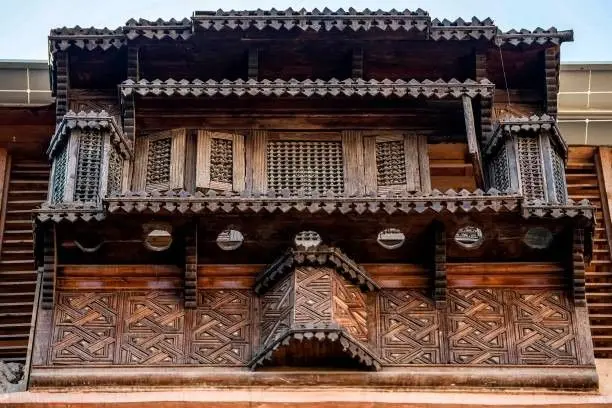
Mashrabiya-like designs are found in Egypt and are now being revived in modern buildings. The Al Bahr Towers in Abu Dhabi have smart latticed facades that open and close based on sun position—reducing glare and heat. The Louvre Abu Dhabi features a Mashrabiya-inspired dome.
Courtyard-inspired architecture is gaining global traction too. Examples include:
-
“Breathing Wall Residence” in Thrissur, India
-
“Optical Glass House” in Hiroshima, Japan
Even in vastly different climates, these designs maintain natural coolness.
Future of Sustainable Cooling
Dr. Sherihan Al-Shahed, a sustainability professor in Egypt, notes that Masdar City has revived traditional Emirati elements innovatively, creating low-cost and easily replicable solutions.
Inspired by historic architecture, many modern UAE buildings, like Madinat Jumeirah and Khalifa Al-Tayer Mosque, integrate wind-catching and shading features.
Matre concludes:
“If we understand the natural environment and design accordingly, we can keep homes cool sustainably—without burning fossil fuels.”
📢 Connect With Mehrublogs:
📧 Email: mehrublogs@gmail.com
🌐 Website: www.mehrublogs.com
👍 Facebook: facebook.com/MehruBlogs
📸 Instagram: instagram.com/Mehrublogs.com_
📌 Pinterest: pinterest.com/mit1651
